 Anglais
 Français
Working Safely Near Underground Utilities: Essential Guide
Digging near buried infrastructure is one of those tasks that looks straightforward until something goes wrong. I’ve seen projects grind to a halt over a single unmarked gas line, and the consequences extend far beyond schedule delays. Worker injuries, environmental cleanup, regulatory fines, and the kind of reputational damage that follows a company for years—these are the real stakes. This piece walks through the practical steps that keep excavation crews safe and compliant, from the first call to 811 through emergency response when things don’t go as planned.
Why Underground Utility Work Demands Serious Attention
Working near buried infrastructure creates hazards that compound quickly when something goes wrong. An unplanned strike on a gas line can trigger an explosion. Contact with a live electrical conduit can kill instantly. Even a ruptured water main, while less immediately dangerous, can undermine soil stability and create secondary collapse risks.
The human cost sits at the center of this, but the ripple effects spread wide. Service outages affect entire neighborhoods. Environmental contamination from ruptured fuel lines requires expensive remediation. And the financial exposure—between regulatory penalties, repair costs, and litigation—can threaten a company’s survival.
Understanding these hazards isn’t about fear. It’s about building the kind of respect for buried infrastructure that keeps crews alert and protocols tight.
Common Types of Buried Infrastructure
Knowing what’s down there is the first step in protecting it. Most excavation sites sit above some combination of these systems:
Gas pipelines carry natural gas or propane under pressure. A strike here creates immediate explosion and fire risks. Electrical conduits house power lines and communication cables—contact can be fatal and often provides no warning. Water mains serve both potable and non-potable systems, and ruptures can cause flooding, erosion, and contamination. Sewer systems handle sanitary and storm drainage, with ruptures creating health hazards and environmental violations. Telecommunication cables, including fiber optic and copper lines, may not pose immediate physical danger but carry significant financial liability. Oil and fuel pipelines present fire, explosion, and contamination risks.
Each type requires different identification methods and handling procedures. A metal detector that finds an electrical conduit won’t register a plastic gas line. This is why comprehensive utility mapping matters so much.
Legal and Financial Exposure from Utility Strikes
The costs of a utility strike accumulate faster than most project managers expect. OSHA penalties for excavation safety violations can reach six figures for serious incidents. Civil liability covers not just repair costs but service interruption claims from affected customers and businesses.
Repair expenses alone can be substantial—replacing a section of high-pressure gas main or fiber optic trunk line isn’t cheap. Add project delays, equipment downtime, and the investigation process, and a single strike can consume months of profit margin.
Insurance complications follow. Premiums increase. Coverage may be denied if investigators find protocol violations. And the reputational impact affects future bidding—clients check safety records.
A 2018 pipeline rupture case illustrates the scale: over $50 million in combined fines and repair costs. That’s an extreme example, but even minor strikes routinely generate five-figure expenses before the dust settles.
How to Locate and Mark Buried Infrastructure Before Breaking Ground
Accurate utility locating forms the foundation of safe excavation. The process involves regulatory requirements, specialized detection technology, and careful site documentation. Getting this right prevents the vast majority of accidental strikes.
The 811 System and How It Works
The 811 national one-call system exists specifically to prevent utility strikes. The process is straightforward: contact 811 at least a few business days before any ground disturbance and submit a dig ticket with your project details—location, scope, timeline.
This notification triggers a response from utility owners in the area. They dispatch technicians who mark the approximate location of their buried lines using color-coded paint or flags. The service is free to excavators and legally required in most jurisdictions.
The key word here is “approximate.” These markings indicate general location, not precise depth or exact horizontal position. They’re the starting point for safe excavation, not the final word on where utilities actually sit.
Advanced Detection Methods for Precise Verification
Standard 811 markings get you in the right area. Advanced techniques get you to the exact location.
Ground Penetrating Radar (GPR) sends radio waves into the soil and reads the reflections. It can detect both metallic and non-metallic utilities, which matters when you’re looking for plastic gas lines or concrete encased conduits. Soil conditions affect performance—wet clay is harder to penetrate than dry sand—but in favorable conditions, GPR provides detailed subsurface imaging.
Electromagnetic induction locators detect the magnetic fields generated by metallic utilities. They’re effective and relatively simple to use, but they only work on conductive materials and can be confused by signal interference from multiple nearby lines.
Hydro excavation uses pressurized water combined with vacuum extraction to remove soil without mechanical force. This exposes utilities directly, providing visual confirmation of exact location, depth, and condition. It’s slower than mechanical digging but eliminates the risk of strike damage during the exposure process.
Vacuum excavation works similarly but uses pressurized air instead of water. It generates less mess and works well in conditions where water would create problems, though it’s less effective in wet or heavy soils.
Subsurface utility engineering (SUE) integrates these methods with GIS mapping to create comprehensive documentation. For complex urban sites with dense utility networks, SUE provides the systematic approach needed to track multiple overlapping systems.
| Technique | Principle | Avantages | Limitations |
|---|---|---|---|
| GPR | Radio waves detect subsurface changes | Non-invasive, detects non-metallic utilities | Performance affected by soil type, depth limited |
| Electromagnetic Locators | Detects electromagnetic fields from utilities | Effective for metallic lines, relatively simple | Requires utility to be conductive, signal interference |
| Hydro Excavation | Pressurized water and vacuum remove soil | Non-destructive, precise exposure, safe | Slower, generates slurry, requires water source |
| Vacuum Excavation | Pressurized air and vacuum remove soil | Non-destructive, precise, less mess than hydro | Less effective in wet/heavy soils, slower |
Safe Excavation Practices That Actually Prevent Strikes
Having accurate utility locations only matters if crews follow protocols that respect those markings. Implementation comes down to planning, communication, and discipline on site.
Working Within the Tolerance Zone
Marked utility lines come with a legally defined buffer zone—typically 18 to 24 inches horizontally from each side of the marking. Within this tolerance zone, mechanical excavation stops. Hand tools or approved non-destructive methods are the only acceptable approaches.
This isn’t bureaucratic caution. Utility markings indicate approximate location, and the tolerance zone accounts for that uncertainty. A gas line marked at one position might actually sit 18 inches to the left. Mechanical equipment operating at that boundary could strike it.
Local regulations vary, and specific utility owners sometimes impose stricter requirements. Always check the dig ticket and confirm with relevant authorities before assuming standard tolerance zone rules apply.
Protocol Checklist for Every Excavation
Pre-excavation planning means reviewing design documents, confirming utility marks match expected locations, and obtaining all required permits before equipment arrives on site.
Daily safety briefings cover the day’s specific tasks, known hazard locations, and emergency procedures. Every crew member should know where marked utilities are and what to do if something unexpected appears.
Personal protective equipment requirements include hard hats, safety glasses, high-visibility clothing, and steel-toed boots as baseline. Specific conditions may require additional protection.
Hand digging within tolerance zones is non-negotiable. Mechanical equipment doesn’t touch soil within the marked buffer area until utilities have been visually exposed and their exact position confirmed.
Mechanical excavation outside tolerance zones proceeds with a dedicated spotter guiding the operator. The spotter watches for unmarked utilities, monitors proximity to known lines, and maintains communication with the operator throughout.
Trenching safety addresses cave-in risks through proper shoring, sloping, or shielding. A trench collapse can be as deadly as a utility strike.
Utility support and protection becomes critical once lines are exposed. Unsupported utilities can shift, bend, or break under their own weight or from soil movement.
Careful backfilling protects exposed utilities during the final phase. Rushing this step can damage lines that survived the entire excavation process.
What to Do When a Strike Happens
Prevention works most of the time. When it doesn’t, response speed and protocol adherence determine whether an incident stays manageable or escalates into catastrophe.
Stop all work immediately. This applies to every piece of equipment and every crew member on site. A partial stop isn’t sufficient.
Prioritize personnel safety. For gas leaks, evacuate upwind. For electrical contact, keep everyone clear—don’t touch equipment that may be energized. Never assume a downed line is dead.
Call emergency services first. Dial 911 for any immediate threat to life or property. Gas leaks, fires, and electrical incidents require professional emergency response.
Notify the utility owner. Use the emergency contact numbers from the utility markings or the 811 ticket. They need to dispatch repair crews and may need to shut down service to prevent further hazard.
Report to 811. Even if emergency services were called, the one-call center needs documentation of the incident for their records and coordination purposes.
Secure the area. Establish a perimeter that keeps unauthorized personnel away from the incident site.
Document everything. Photographs, exact location, time, circumstances, equipment involved, personnel present. This information matters for investigation and insurance purposes.
Don’t attempt repairs. Covering up damage or attempting amateur repairs can make the situation dramatically worse and creates serious legal exposure.
Cooperate with responders. When emergency services and utility personnel arrive, provide complete information and follow their instructions.
Technology and Training as Long-Term Safety Investments
Sustained improvement in excavation safety comes from two directions: better tools and better-trained people using them.
Digital utility mapping integrated with GIS provides real-time access to subsurface infrastructure data. When crews can pull up accurate utility locations on a tablet at the job site, planning improves and surprises decrease.
Safety management systems aggregate data from multiple sources—utility maps, permit records, incident history, equipment status—into a unified view of site conditions. This integration helps identify patterns and potential hazards before they become incidents.
Training programs build the competency that makes protocols effective. Excavation safety certifications ensure operators understand both the technical requirements and the reasoning behind them. Refresher training keeps knowledge current as regulations and best practices evolve.
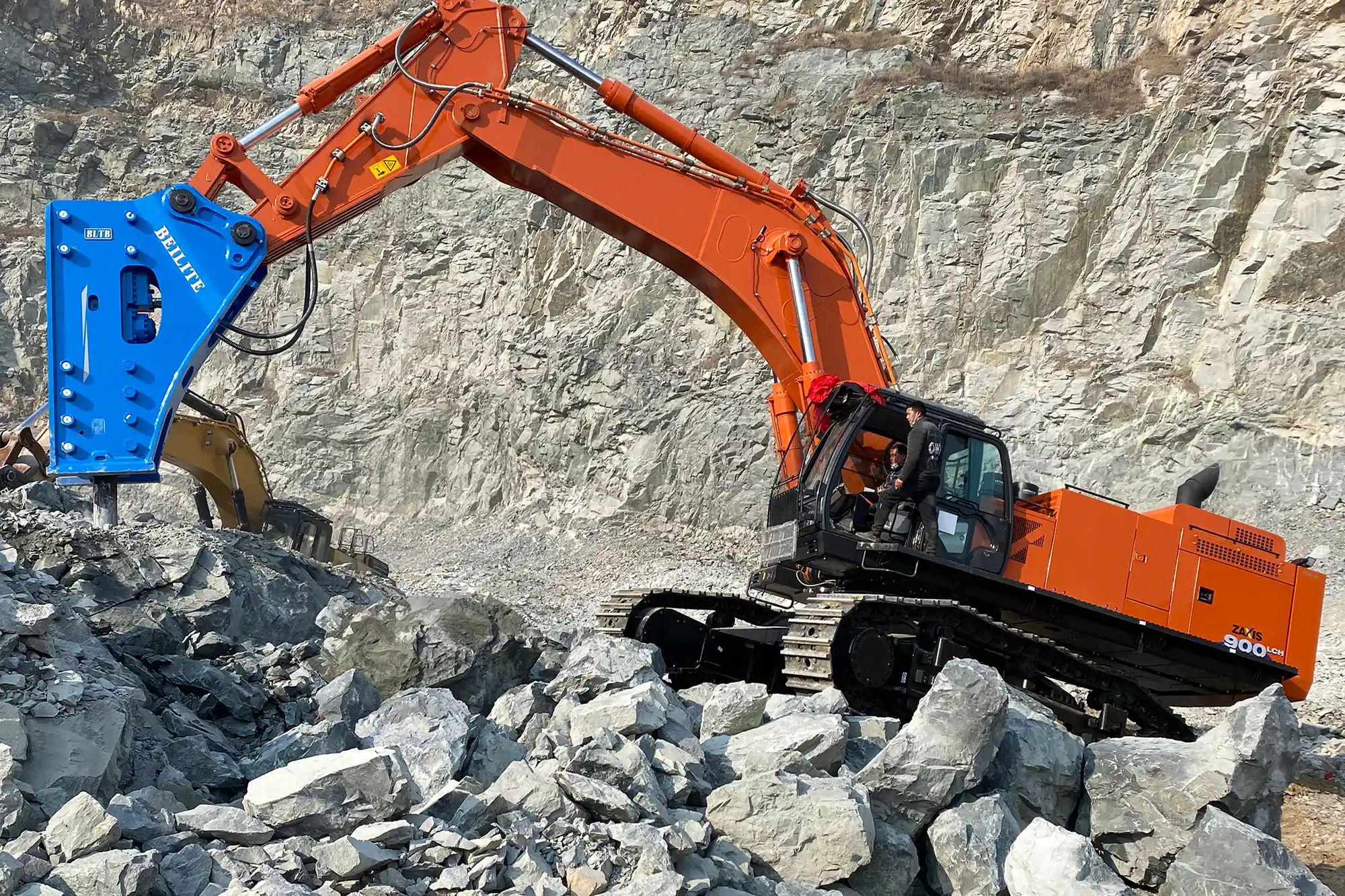
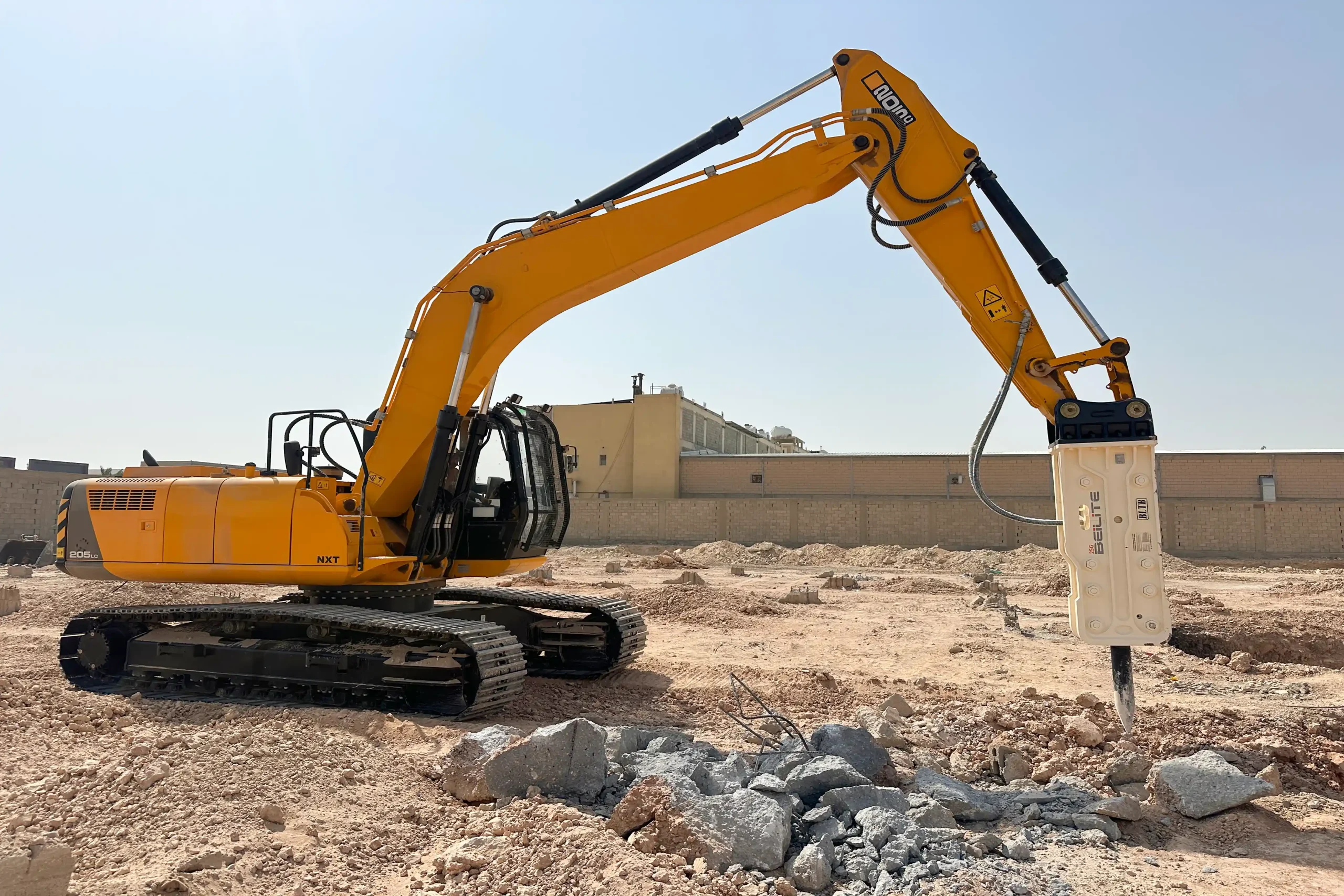
Equipment selection also matters. Precision-engineered tools give operators better control, which translates directly to safer work near sensitive infrastructure. Beilite Machinery’s hydraulic breakers, for example, are designed for controlled demolition tasks where precision matters. The BLT series offers varying capacities that let operators match the tool to the specific requirements of each task.
| Modèle | Applic. Excavator (t) | Diamètre du ciseau (mm) | Pression de service (bar) | Fréquence du souffle (bpm) |
|---|---|---|---|---|
| BLT-40 | 0.5-1.2 | 40 | 90-120 | 800-1400 |
| BLT-45 | 0.8-1.5 | 45 | 90-120 | 700-1200 |
| BLT-53 | 1.5-3.5 | 53 | 90-120 | 600-1100 |
| BLT-60 | 3-5.5 | 60 | 100-130 | 500-1000 |
When skilled operators combine proper training with precision equipment and robust safety protocols, the result is excavation work that protects both crews and buried infrastructure.
Partner with Beilite for Safer Excavation
Ensure your excavation projects are equipped with the highest standards of safety and efficiency. For expert insights into integrating advanced equipment into your safe digging protocols or to explore how Beilite Machinery Co., LTD’s high-performance hydraulic breakers contribute to controlled and precise excavation, contact our specialists today. Partner with us for reliable solutions that prioritize both productivity and paramount safety. Reach us at [email protected] or call 40008-40008.
Frequently Asked Questions About Utility Excavation Safety
How can I minimize the risk of damaging underground utilities during excavation?
Start with 811—always call before digging to get utilities marked. Respect the tolerance zone around those markings and never use mechanical equipment within it until utilities are visually exposed. When standard markings aren’t sufficient, verify locations with non-destructive methods like hydro excavation. Use well-maintained equipment appropriate for the precision required, and make sure every crew member has current training on safe digging practices and site-specific safety plans.
What are the immediate steps to take if an underground utility line is accidentally struck?
Stop all work and equipment immediately. Evacuate the area if there’s any risk of gas leak, electrical contact, or other immediate danger—don’t wait to assess, just move people to safety. Call 911 first, then notify the utility owner and 811. Never attempt to repair damage yourself or cover it up. Stay at a safe distance from the incident site and be ready to provide information to emergency responders when they arrive.
Does Beilite Machinery offer equipment suitable for precise excavation near utilities?
Beilite Machinery’s brise-roche hydraulique Hammer are engineered for precision control in demanding applications. When trained operators use these breakers alongside proper utility locating and safety protocols, they can perform controlled demolition and material removal with the accuracy needed to minimize strike risk near sensitive underground infrastructure. The equipment is one component of a comprehensive approach that includes marking verification, tolerance zone discipline, and emergency preparedness.