 Anglais
 Français
Former les nouveaux opérateurs : Maîtriser la sécurité et les compétences des brise-roches hydrauliques
Heavy machinery demands respect, and hydraulic breakers sit near the top of that list. The forces involved—thousands of joules delivered through hardened steel into concrete or rock—leave little room for guesswork. I’ve watched operators transform from hesitant newcomers into confident professionals who read material fractures the way musicians read sheet music. That transformation doesn’t happen by accident. It requires structured operator training that builds genuine competence, not just checkbox compliance. The difference shows up in productivity numbers, equipment longevity, and most importantly, in workers going home uninjured at the end of every shift.
Building a Training Program That Actually Works
A training program only delivers results when it connects theory to muscle memory. The curriculum needs both dimensions working together—classroom instruction that explains the physics of impact energy, followed by hands-on sessions where trainees feel how different materials respond to the chisel.
We structure learning in progressive stages. Initial sessions cover hydraulic system fundamentals: how oil flow translates into piston movement, why accumulator pressure matters, what happens inside the tool housing during each strike cycle. Trainees need this foundation before they touch actual equipment. Understanding the mechanics changes how operators approach the work.
Simulated environments bridge the gap between theory and field conditions. Controlled settings let trainees make mistakes safely while building confidence. The transition to live equipment happens gradually, with experienced trainers providing real-time guidance.
Every program cycle includes formal assessment checkpoints. We measure comprehension through written evaluations and practical demonstrations. Gaps identified during assessment feed back into curriculum refinement. This continuous improvement loop keeps the operator training relevant as equipment evolves and industry practices advance.
Safety Protocols That Protect Lives and Equipment
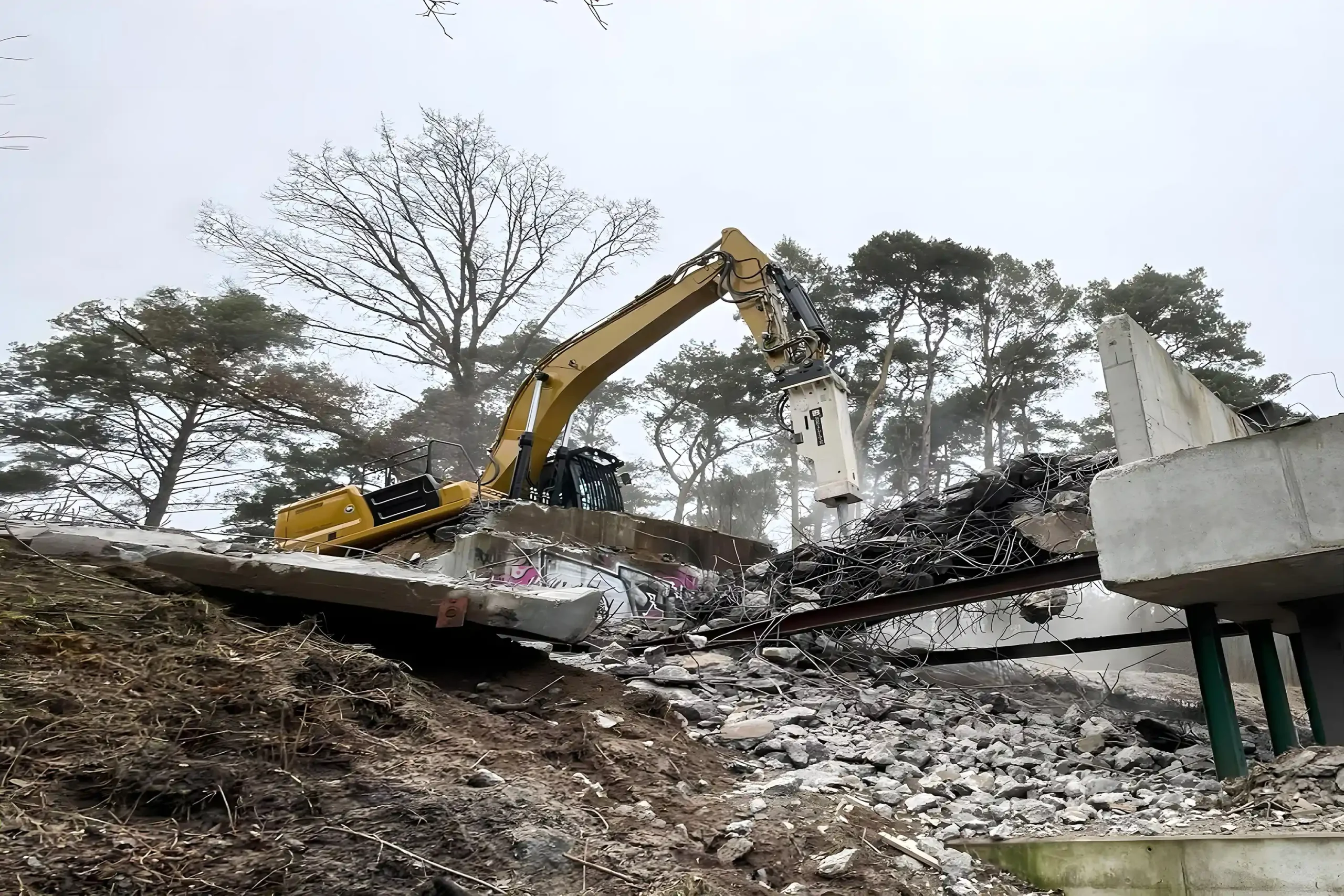
High-power hydraulic breakers generate forces that can cause serious injury in fractions of a second. Safety protocols exist because the consequences of ignoring them are severe and often irreversible.
Personal protective equipment forms the first line of defense. Hard hats protect against falling debris. Safety glasses shield eyes from flying chips—concrete fragments travel faster than most people realize. Hearing protection prevents cumulative damage from sustained exposure to impact noise that regularly exceeds 100 decibels. Steel-toed boots guard against dropped tools and crushing hazards.
Job site protocols extend protection beyond individual operators. Establishing exclusion zones keeps bystanders clear of the working area. Risk assessment before each task identifies potential hazards: underground utilities, unstable structures, overhead obstructions. These evaluations take minutes but prevent incidents that could halt operations for days.
Pre-operation checks catch problems before they escalate. Operators inspect hydraulic lines for leaks, verify chisel retention, confirm accumulator charge, and test all controls. Lockout/tagout procedures during maintenance or attachment changes ensure the equipment cannot activate unexpectedly.
Emergency response training prepares operators for scenarios that fall outside normal parameters. Knowing how to react when something goes wrong—equipment malfunction, structural collapse, medical emergency—can determine outcomes in critical moments.
Understanding What Makes Hydraulic Breakers Work
Effective hydraulic breaker operation requires more than knowing which lever does what. Operators who understand the underlying mechanics make better decisions under varying conditions.
The core mechanism involves a hydraulic piston driven by pressurized oil. Each cycle draws the piston back against accumulator pressure, then releases it to strike the chisel with tremendous force. Impact energy transfers through the tool into the target material, creating fractures that propagate with each subsequent blow.
Hydraulic flow and pressure settings require adjustment based on material properties. Dense granite demands different parameters than reinforced concrete or asphalt. Operators learn to read material response—sound, vibration, visible fracturing—and adjust technique accordingly.
Chisel selection directly affects productivity and equipment wear. Point chisels concentrate force for initial penetration. Flat chisels work better for secondary breaking and material removal. Moil points handle general-purpose applications. Matching the tool to the task prevents unnecessary stress on both the attachment and the carrier machine.
Proper tool angle matters more than many operators initially realize. Perpendicular contact maximizes energy transfer. Angled strikes waste force and accelerate chisel wear. Sustained pressure keeps the tool engaged with the material, preventing blank firing that damages internal components.
Troubleshooting skills separate competent operators from exceptional ones. Reduced impact force might indicate low hydraulic pressure, worn seals, or incorrect flow settings. Unexpected shutdowns could stem from overheating, electrical faults, or safety system activation. Systematic diagnosis prevents unnecessary downtime and expensive repairs.
| Modèle | Excavateur applicable (t) | Diamètre du ciseau (mm) | Pression de service (bar) | Fréquence du souffle (bpm) |
|---|---|---|---|---|
| BLT-40 | 0.5-1.2 | 40 | 90-120 | 800-1400 |
| BLT-60 | 3-5.5 | 60 | 100-130 | 500-1000 |
| BLT-85 | 7-11 | 85 | 130–160 | 400-800 |
| BLT-125 | 14-18 | 125 | 150-170 | 350-650 |
| BLT-155 | 27-33 | 155 | 200-220 | 200-300 |
Practical Training and Measuring What Matters
Classroom knowledge only becomes useful when it translates into field performance. Practical training sessions provide the bridge, allowing operators to develop skills under controlled conditions before facing real-world challenges.
Simulated environments replicate common scenarios without the full consequences of mistakes. Trainees practice positioning, tool engagement, and material breaking techniques while trainers observe and correct in real time. This supervised experience builds confidence systematically.
On-the-job training follows simulation work. New operators work alongside experienced professionals, gradually taking on more responsibility as competence develops. The transition from trainee to independent operator happens through demonstrated capability, not arbitrary timelines.
Performance metrics provide objective assessment criteria. We track cycle times, material removal rates, equipment wear patterns, and safety compliance. These measurements identify both strengths and areas needing improvement. Regular competency testing ensures operators maintain required standards throughout their careers.
Feedback loops accelerate skill development. Immediate correction prevents bad habits from becoming ingrained. Positive reinforcement builds confidence in correct techniques. Field supervision continues beyond initial certification, addressing challenges that emerge in varied working conditions.
Ongoing Development Keeps Skills Sharp
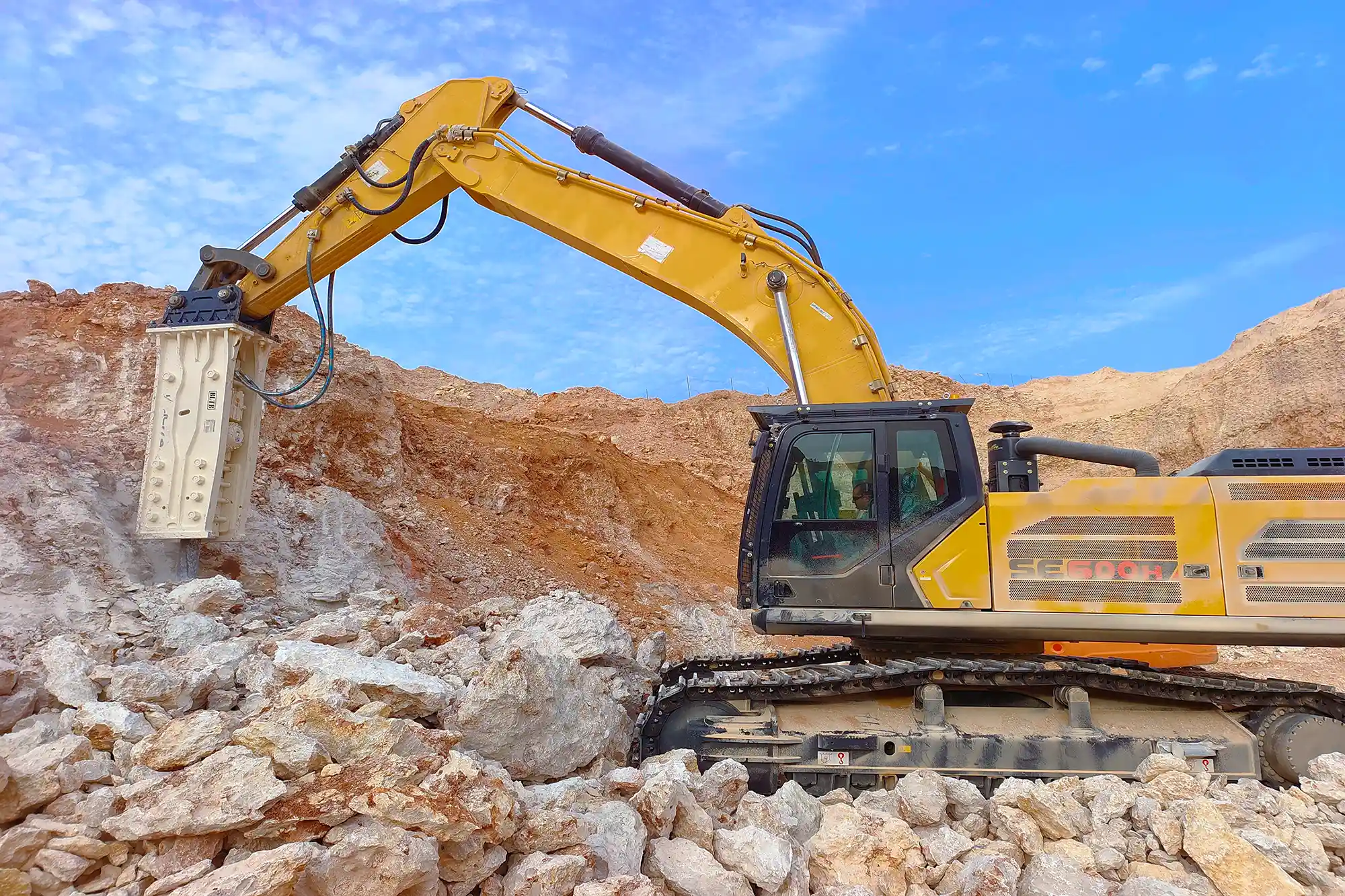
Initial certification marks the beginning of professional development, not the end. The equipment evolves, safety standards update, and techniques improve. Operators who stop learning fall behind.
Refresher training reinforces fundamental skills that can degrade over time. Operators who’ve worked the same equipment for years sometimes develop shortcuts that compromise safety or efficiency. Periodic review brings practices back into alignment with best standards.
Technology advances create new learning requirements. Modern hydraulic breakers incorporate features that didn’t exist a decade ago—auto-stop systems, electronic monitoring, variable power modes. Operators need training on these capabilities to extract full value from equipment investments.
Safety refreshers deserve particular emphasis. Complacency develops naturally when nothing goes wrong for extended periods. Regular review of hazard awareness and emergency procedures maintains the vigilance that prevents incidents.
Career progression often depends on expanded capabilities. Operators who pursue advanced certifications and cross-training on different equipment types position themselves for supervisory roles and specialized assignments. This investment in continuous learning benefits both individual careers and organizational capability.
Manufacturer Expertise Shapes Training Excellence
Beilite Machinery Co., Ltd. brings two decades of hydraulic breaker development experience to operator training programs. Established in 2002 as a national high-tech enterprise, the company’s involvement in formulating Chinese national standards for hydraulic breakers reflects deep technical understanding.
Hundreds of patents document innovations in impact mechanism design, wear resistance, and operational efficiency. This R&D foundation informs training content that goes beyond generic instruction to address equipment-specific nuances.
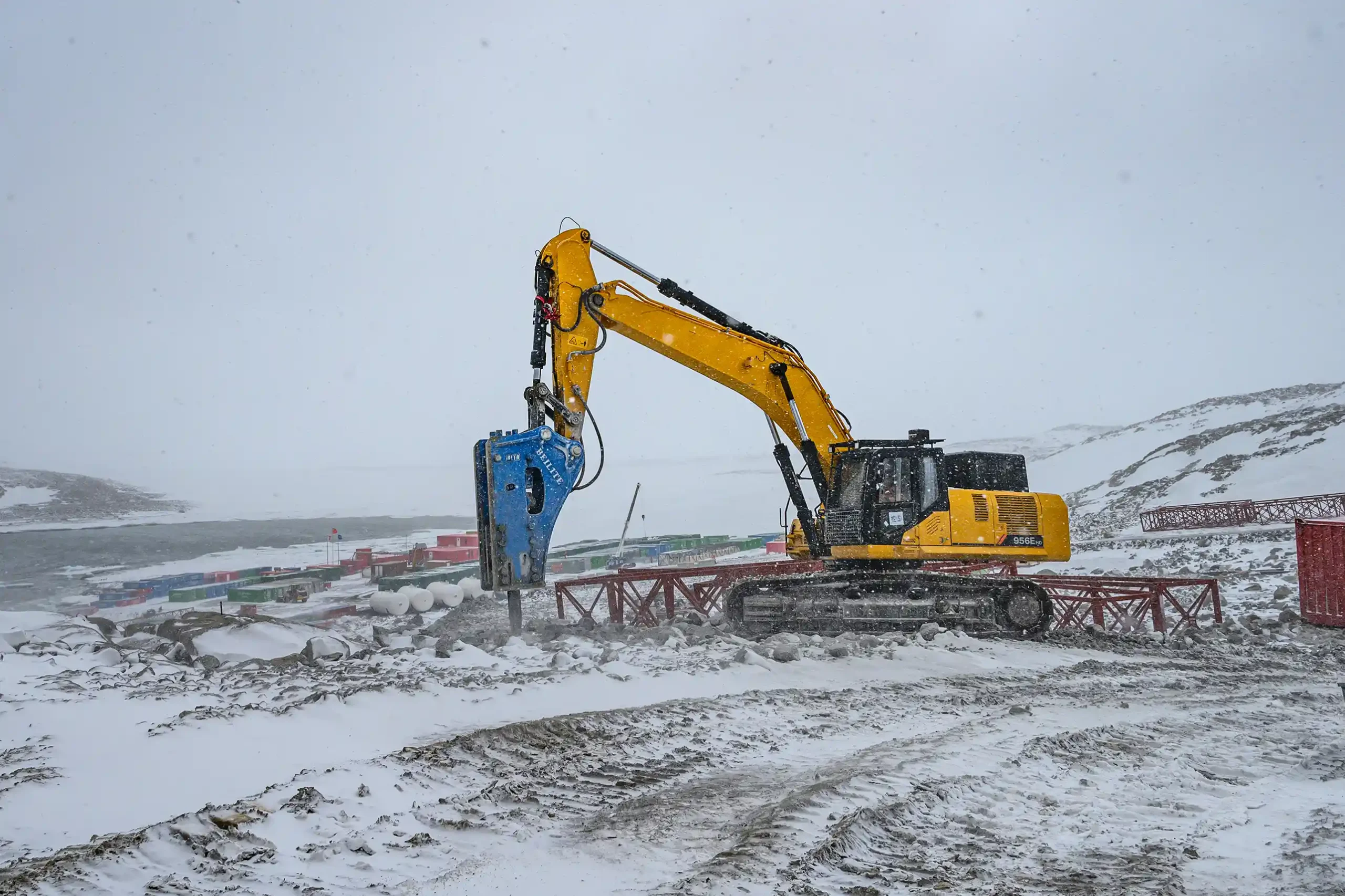
Product-specific training for BLT and BLTB brand hydraulic breaker Hammer products ensures operators understand the particular characteristics of their equipment. Different models have different optimal operating parameters, maintenance requirements, and performance envelopes. Training aligned with actual equipment specifications maximizes both productivity and service life.
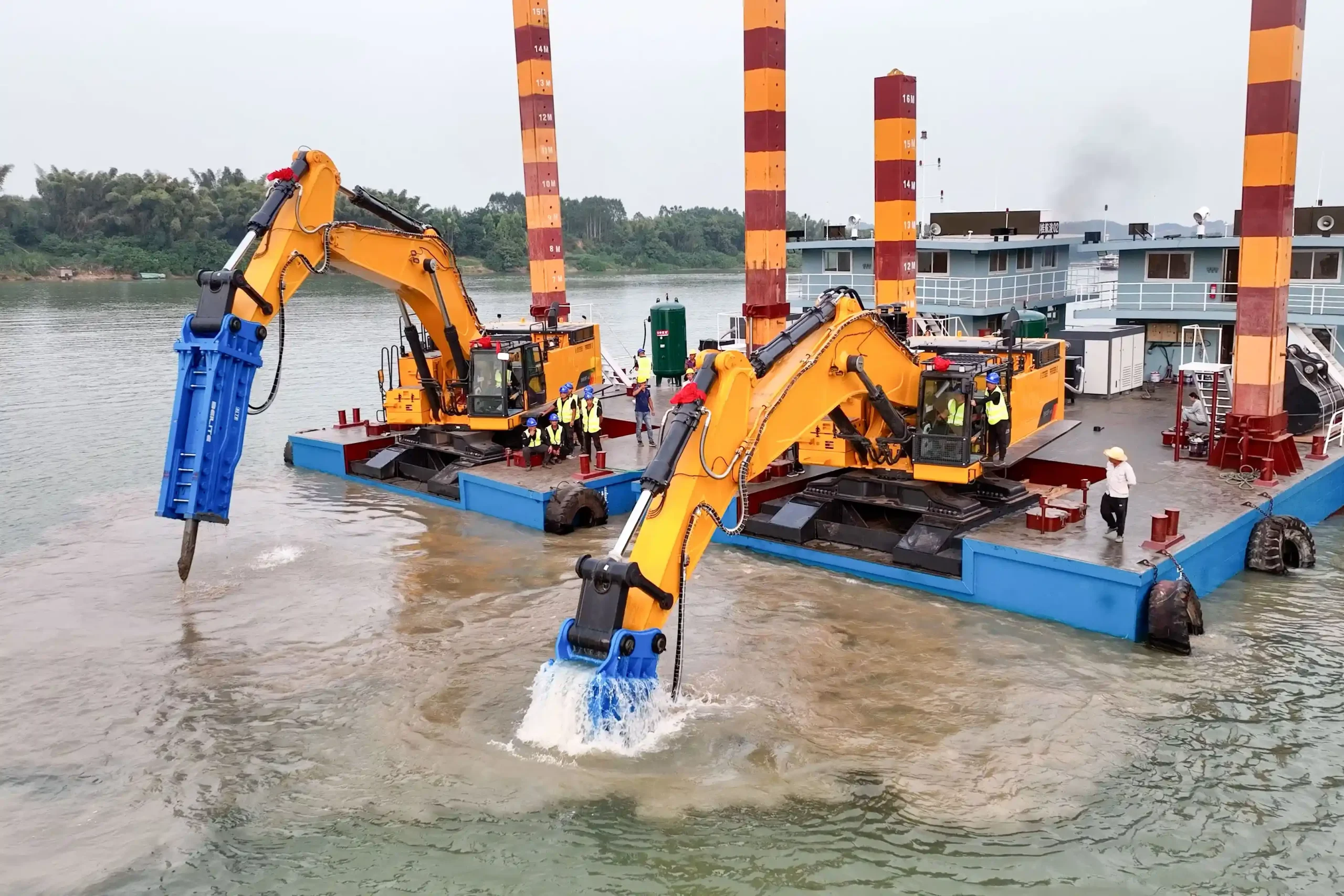
Global consultation services extend this expertise to operations worldwide. Whether the application involves urban demolition, quarry operations, or infrastructure development, manufacturer insights help organizations achieve operational excellence with their hydraulic breaker investments.
How long does it typically take to train a new hydraulic breaker operator to a proficient level?
Most operators develop foundational competence within four to six weeks of structured training. Full proficiency—the ability to handle varied materials, troubleshoot problems independently, and maintain consistent productivity—typically requires three to six months of supervised experience. Prior heavy equipment background can accelerate this timeline, while complex applications may extend it. The learning curve continues well beyond initial certification as operators encounter new situations and refine their techniques.
What specific certifications or qualifications are recommended for hydraulic breaker operators?
General heavy equipment operation certification provides essential baseline competence. Manufacturer-specific training, such as programs offered for Beilite hydraulic breakers, addresses equipment-particular requirements. Regional safety certifications—OSHA compliance in the United States, equivalent standards elsewhere—ensure regulatory adherence. Internal company assessments verify that operators meet organizational standards. Annual safety refreshers and periodic competency evaluations maintain qualification currency throughout an operator’s career.
What are the most common operational mistakes new hydraulic breaker operators make, and how can training prevent them?
New operators frequently struggle with tool angle, either striking at oblique angles that waste energy or failing to maintain perpendicular contact during operation. Pressure management causes problems too—both excessive force that accelerates wear and insufficient engagement that reduces effectiveness. Skipping pre-operation checks leads to preventable equipment failures. Ignoring machine feedback, such as unusual sounds or vibration patterns, allows minor issues to become major repairs. Structured operator training addresses each of these tendencies through explicit instruction, supervised practice, and immediate feedback that builds correct habits from the start.
Partner with Beilite for Superior Operator Training
Investing in comprehensive operator training pays dividends in safety, productivity, and equipment longevity. Beilite Machinery’s expertise in hydraulic breaker technology—backed by national standards participation and hundreds of patents—provides the foundation for training programs that deliver measurable results.
For organizations seeking to maximize performance from BLT and BLTB hydraulic breaker solutions, our technical team offers consultation on training program development, equipment selection, and operational optimization. Contact us at 40008-40008 or [email protected] to discuss how manufacturer expertise can elevate your team’s capabilities.