 Anglais
 Français
Sharpening Breaker Tools: Maximize Hydraulic Efficiency
Sharp hydraulic breaker tools do more than cut through rock and concrete. They determine how much energy actually reaches the material, how long your equipment lasts, and whether your crew finishes on schedule or burns extra hours compensating for sluggish performance. After years of watching operators struggle with dull chisels that should have been reconditioned weeks earlier, the pattern becomes clear: tool sharpness is where efficiency lives or dies.
Sharp Tools Transfer Energy Where It Belongs
The physics here are straightforward but often overlooked. A sharp tool concentrates impact energy into a focused point, driving into material with minimal resistance. A dull tool spreads that same energy across a wider, blunted surface. The material absorbs more, fractures less, and the operator compensates by running more cycles.
Field measurements show dull tools can reduce breaking efficiency by up to 30%. That number translates directly into longer project timelines, higher fuel consumption, and accumulated wear on hydraulic components that were never designed to absorb the punishment of inefficient operation. Maintaining sharp tools is the simplest way to protect hydraulic breaker performance and keep productivity where it should be.
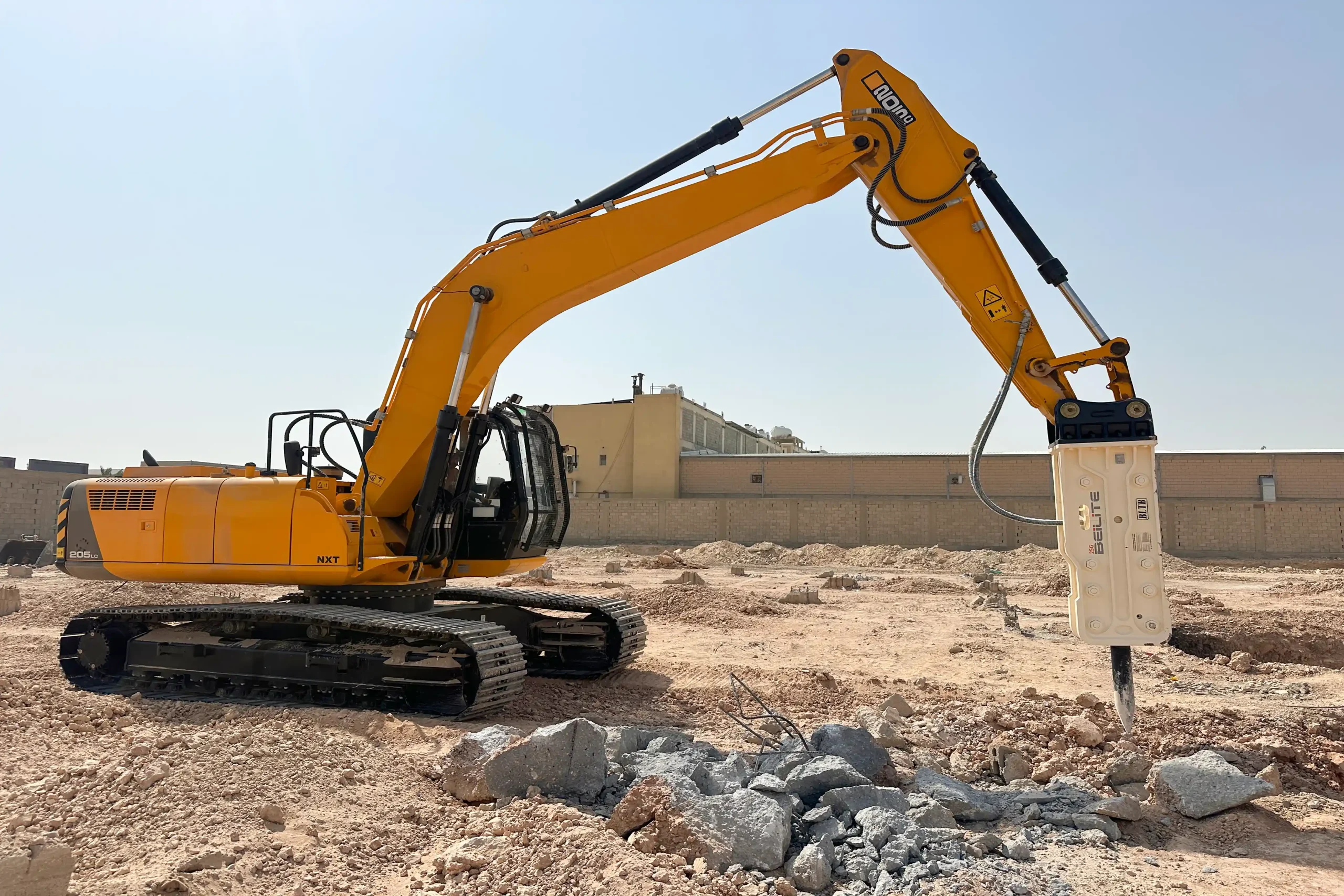
Recognizing Wear Patterns and Getting the Angle Right
Breaker chisels wear in predictable ways depending on what they hit and how hard they work. The tip blunts first, losing its ability to concentrate force. The shank can mushroom from repeated impact stress. Surface abrasion accumulates from contact with abrasive materials like granite or reinforced concrete.
Each wear pattern tells a story about operational conditions. Recognizing them early allows for timely reconditioning before performance degrades noticeably.
The sharpening angle matters more than most operators realize. For most chisels, an angle between 10 and 15 degrees restores the cutting edge without compromising structural integrity. Angles outside this range accelerate wear by 15-20%, either because the edge becomes too thin and chips easily or too blunt to penetrate efficiently.
Successful reconditioning requires understanding the tool’s material properties. Heat treatment gives these tools their hardness, and improper grinding can undo that treatment, leaving you with a sharp-looking chisel that dulls in hours.
What are the risks of using a dull breaker tool?
A dull hydraulic breaker hammer creates problems beyond slow breaking. The hydraulic system absorbs stress it was not designed for, accelerating wear on pistons, cylinders, and seals. Repair costs for these internal components can dwarf the price of a replacement tool.
Dull tools also deflect unpredictably. When a chisel skips off material instead of biting in, it creates safety hazards for operators and anyone nearby. Increased vibration and noise compound the problem, contributing to operator fatigue and potential long-term health issues from prolonged exposure.
Sharpening Breaker Tools Without Cutting Corners on Safety
Reconditioning a breaker tool is not complicated, but it demands attention to detail and respect for the forces involved.
-
Gather your equipment. You need an angle grinder, appropriate grinding wheels (aluminum oxide or silicon carbide work well), a heavy-duty vice, and a water source for cooling.
-
Protect yourself first. Safety glasses, hearing protection, heavy-duty gloves, and a respirator are non-negotiable. Grinding metal throws particles and generates noise levels that cause permanent damage with repeated exposure. Work in a ventilated area.
-
Lock the tool down. A breaker chisel moving during grinding is dangerous and produces inconsistent results. Secure it firmly in the vice before starting.
-
Inspect before grinding. Look for cracks, severe deformation, or excessive material loss. Some damage cannot be ground away safely. Tools with structural problems need professional evaluation or replacement.
-
Maintain the angle. Keep the grinder at 10-15 degrees and move smoothly across the worn surface. Consistent, moderate pressure produces better results than aggressive grinding.
-
Manage heat buildup. Excessive heat alters the tool’s hardness. Grind in short intervals and cool the tool with water frequently. If the metal discolors from heat, you have already compromised the heat treatment.
-
Remove burrs. A finer grit wheel or file cleans up the edge after primary grinding.
-
Final inspection. Check the sharpened tool for defects before returning it to service. A missed crack can fail catastrophically under impact.
Making Tools Last Longer Through Consistent Care
Sharpening is one part of a larger maintenance picture. Daily visual inspections catch wear before it becomes severe. Proper lubrication reduces friction on working surfaces. Correct storage prevents corrosion and accidental damage.
Regular inspection and timely sharpening can extend a breaker tool’s lifespan by up to 50%. That represents significant savings when you consider the cost of quality replacement tools and the downtime associated with unplanned failures.
Post-sharpening care helps too. A light protective coating guards against corrosion between uses, particularly in humid environments or during seasonal storage.
Our range of Hydraulic Breaker Hammer for Demolition&Rock Breaking solutions is engineered for durability and peak performance across demanding applications.
Can all types of breaker tools be sharpened, or are some disposable?
Most high-quality alloy steel breaker tools are designed for multiple sharpenings. The specialized materials and heat treatments used in their manufacture allow them to withstand reconditioning without losing structural integrity.
Lower-grade tools or those with complex geometries and specialized coatings may have limited sharpening potential. Some are essentially disposable once worn. Manufacturer guidelines provide specific recommendations for each tool type, and following them prevents wasted effort on tools that cannot be effectively reconditioned.
Protecting the Entire Hydraulic System Through Tool Maintenance
The connection between tool condition and system health is direct. A sharp tool requires less force to penetrate material. Less force means reduced stress on the piston, cylinder, and hydraulic circuits that power the breaker.
Data from maintenance records shows that improperly maintained tools can cause premature wear on internal components, with repair costs running 3-5 times higher than tool replacement. The math favors keeping tools sharp.
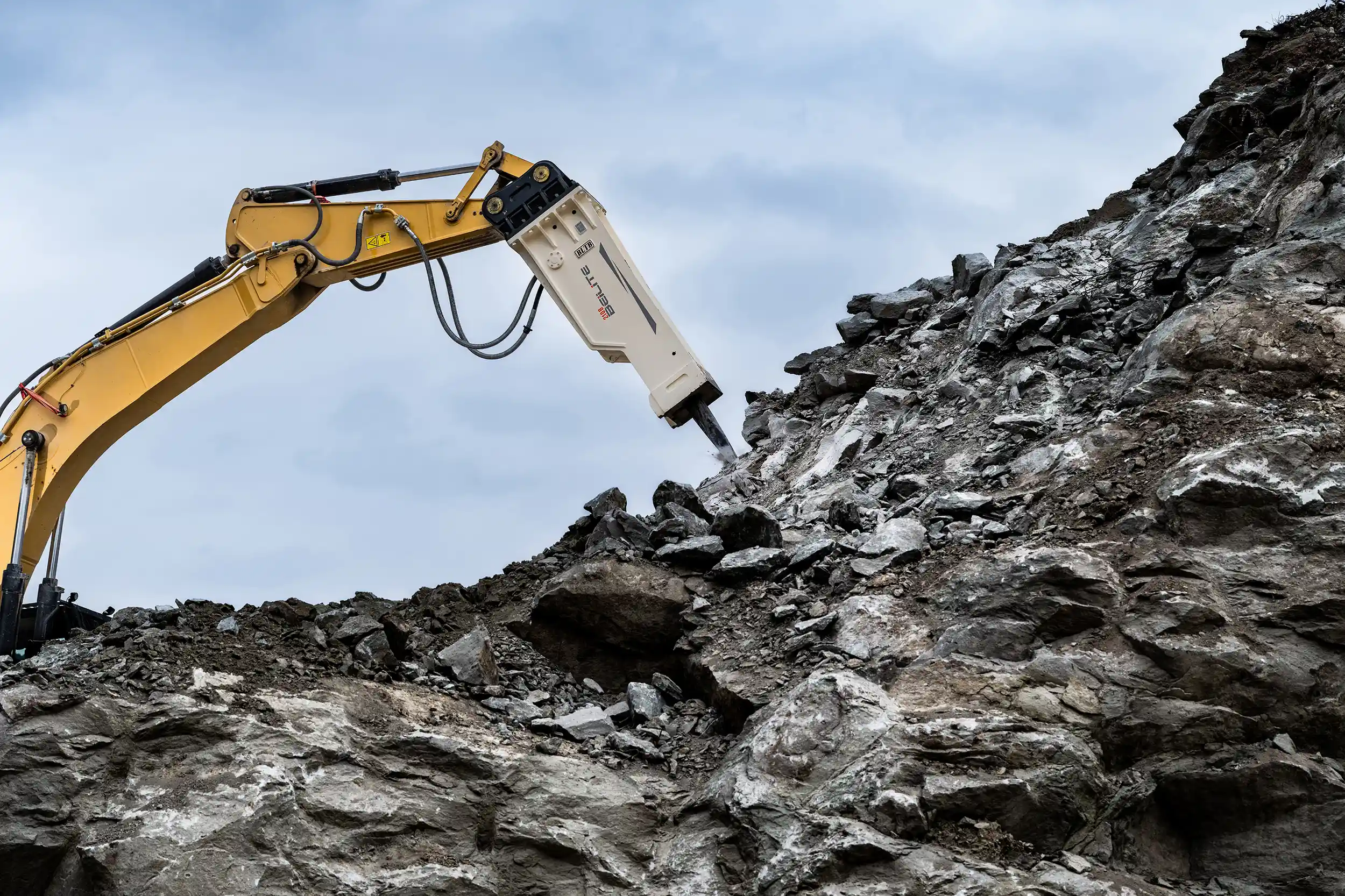
How does sharpening affect the lifespan and efficiency of a hydraulic breaker?
Sharp tools maximize the impact force delivered to material, reducing the number of blows needed to complete each task. Fewer blows mean less stress on internal components and longer intervals between major repairs.
Recoil decreases with sharp tools, improving operator comfort and reducing fatigue during extended shifts. Fuel consumption drops because the machine works less hard to achieve the same results.
The cumulative effect extends the operational life of both the tool and the hydraulic breaker hammer it serves.
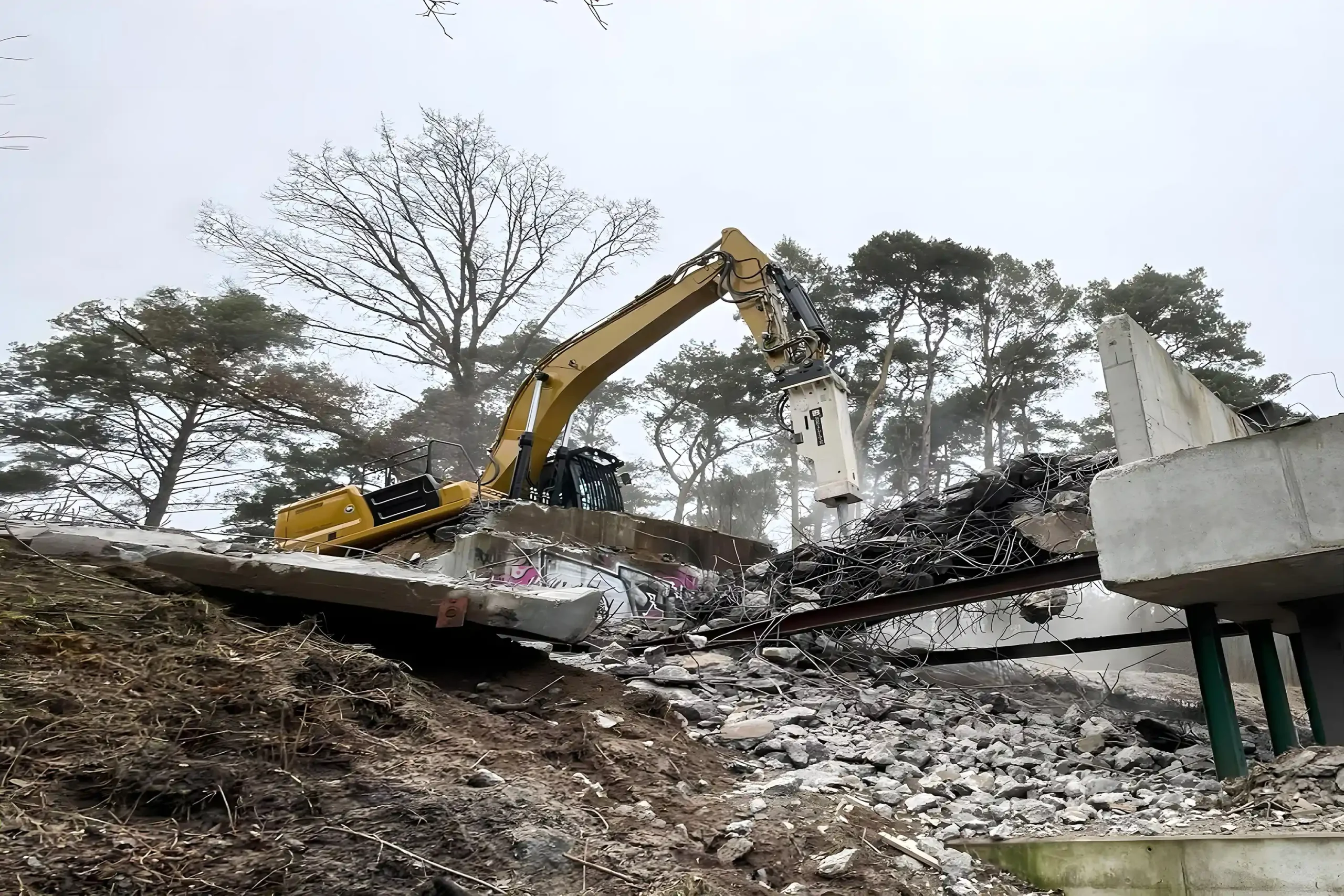
Optimize Your Breaker Performance with Beilite
As a national high-tech enterprise specializing in high-end hydraulic breakers, Beilite Machinery Co., LTD understands the critical role of tool maintenance. For expert advice on optimizing your hydraulic breaker’s performance and ensuring tool longevity, contact our specialists at [email protected] or call us at 40008-40008. Visit our website to explore our BLT and BLTB product range.
Frequently Asked Questions About Breaker Tool Sharpening
What is the ideal frequency for sharpening a hydraulic breaker tool?
Sharpening frequency depends on the material being broken, usage intensity, and original tool quality. Daily inspections should be standard practice. Sharpen at the first sign of dullness or noticeable material loss rather than waiting for obvious performance degradation. Early intervention prevents damage to the hydraulic breaker hammer and maintains consistent productivity.
Are there specific tools or equipment recommended for sharpening breaker chisels?
Angle grinders with aluminum oxide or silicon carbide wheels handle most reconditioning tasks effectively. Specialized sharpening machines designed for heavy-duty tools offer greater precision and consistency, particularly for maintaining exact angles across multiple tools. Manufacturer guidelines often specify preferred equipment and techniques for their particular tool designs.
How does proper sharpening contribute to the overall efficiency of a hydraulic breaker system?
Proper sharpening ensures maximum impact energy reaches the material rather than being absorbed by the system. Sharp tools penetrate faster, require fewer blows, and reduce stress on hydraulic components. The result is lower fuel consumption, reduced maintenance costs, and longer equipment life across the entire system.