 Anglais
 Français
Optimizing Hydraulic Breaker Shipping: Global Logistics Strategies
Getting hydraulic breakers from factory floor to job site halfway around the world involves more moving parts than most people realize. The weight alone—some units push past 3,000 kg—creates challenges that standard shipping protocols simply weren’t designed to handle. Add customs regulations that shift between countries, packaging demands that go far beyond bubble wrap and pallets, and the constant pressure to keep costs reasonable while maintaining delivery schedules. After years of shipping these machines to over 100 countries, certain patterns emerge about what works and what creates expensive headaches. The strategies outlined here reflect practical experience with real shipments, real delays, and real solutions.
Why Regulatory Compliance Determines Everything Else
International shipping of heavy equipment demands meticulous attention to regulatory compliance. Each country imposes specific export and import controls, customs clearance procedures, and documentation requirements. Understanding these frameworks prevents costly delays and penalties that can derail project timelines.
Hydraulic breakers like the BLT-155, weighing 2610 kg, or the BLT-165 at 3149 kg, require specific heavy equipment permits due to their dimensions and weight. Proper classification using harmonized system codes is fundamental for accurate duty and tax assessment. Misclassification leads to significant fines and shipment holds—problems that compound quickly when equipment sits idle at a port.
Selecting appropriate Incoterms defines responsibilities between buyer and seller regarding costs, risks, and insurance. These international trade compliance rules dictate who handles freight, insurance, and customs formalities at various stages. A detailed flowchart outlining the international shipping process checklist guides stakeholders through these complex steps.
Beilite Machinery, as a national high-tech enterprise exporting to over 100 countries, has accumulated extensive experience managing these regulatory landscapes. This expertise ensures that all shipments, from compact BLT-40 units for 0.5-1.2t excavators to powerful BLT-150 models for 24-27t excavators, comply with global standards.
Packaging That Actually Protects Heavy Equipment
The physical integrity of hydraulic breakers during transit is non-negotiable. Specialized packaging requirements and handling procedures prevent damage to these high-value assets. Given the substantial weight and robust construction of hydraulic breakers—the BLT-125 weighs 1357 kg, the BLT-140 reaches 1910 kg—standard packaging falls short.
Industrial packaging solutions must account for equipment dimensions, weight restrictions, and potential transit stresses. Effective crating solutions and secure lashing methods protect against shock, vibration, and environmental factors throughout the journey. Oversized cargo considerations often necessitate custom crating and specialized cargo handling equipment at ports and terminals.
Rigorous inspection protocols before dispatch catch potential issues early. A breaker that arrives damaged represents not just replacement costs but project delays that ripple through construction schedules.
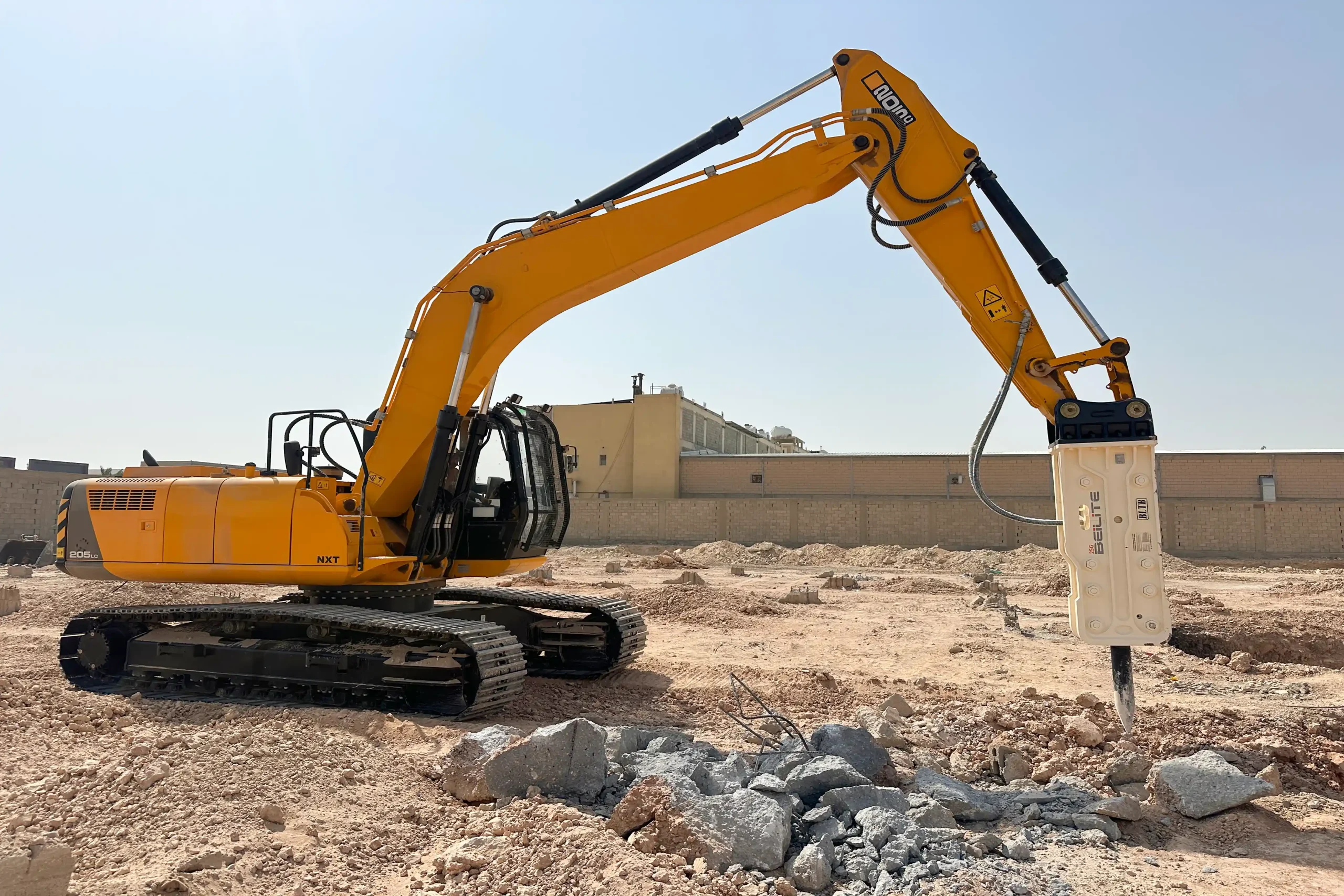
How are hydraulic breakers typically packaged for international shipment?
Hydraulic breakers ship in robust custom crating solutions, typically constructed from treated wood or reinforced steel frames. This protective approach ensures structural integrity and shock absorption. The packaging accounts for the breaker’s dimensions and weight, incorporating internal bracing and protective materials to prevent movement and mitigate impact damage.
Ocean freight shipments require additional measures against moisture and corrosion. Salt air and humidity during weeks at sea can compromise equipment that wasn’t properly protected. This export packing safeguards the equipment against the rigors of long-distance transport across various modes.
Matching Freight Modes to Equipment and Timelines
Optimizing global distribution of hydraulic breakers hinges on strategic freight forwarding and judicious carrier selection. Different freight modes—ocean freight, air freight, road transport, and rail transport—suit different situations when shipping heavy machinery.
For large, heavy units like the BLT-165, ocean freight typically offers the most cost-effective solution despite longer lead times. The math usually works out clearly: shipping a 3,000 kg breaker by air costs several times more than ocean transport. Air freight makes sense for urgent deliveries of smaller components or compact models like the BLT-45 when project deadlines justify the premium.
Selecting specialized carriers with proven global networks and project logistics capabilities matters more than finding the lowest bid. These partners possess the expertise and equipment to handle oversized cargo and navigate complex routes. Cost optimization comes through careful route planning and consolidation opportunities rather than cutting corners on carrier quality.
Supply chain visibility improves dramatically when partnering with carriers who provide real-time tracking and transparent communication. Knowing exactly where a shipment sits—and why it might be delayed—allows for proactive problem-solving rather than reactive scrambling.
Which Incoterms Work Best for Hydraulic Breaker Logistics?
The most suitable Incoterms for international hydraulic breaker logistics depend on how buyer and seller prefer to divide responsibility and risk. Common choices include FOB (Free On Board), where the seller delivers goods to the vessel and the buyer assumes costs and risks from that point. CIF (Cost, Insurance and Freight) places more responsibility on the seller for insurance and freight to the destination port. DDP (Delivered Duty Paid) offers maximum convenience to the buyer, as the seller handles all costs and risks, including customs duties, to the final destination.
| Incoterm | Seller’s Responsibility | Buyer’s Responsibility |
|---|---|---|
| EXW | Minimal (Ex Works) | Maximal |
| FOB | To port of loading | From port of loading |
| CIF | To port of destination | From port of destination |
| DDP | Maximal (Delivered Duty Paid) | Minime |
Building Protection Against Transit Risks
Shipping high-value hydraulic breakers globally inherently involves various transit risks. Effective risk management strategies safeguard investments against physical damage, theft, loss, and delays from unforeseen circumstances or supply chain disruptions. Comprehensive cargo insurance provides financial protection against potential losses during the entire shipping journey.
Thorough risk assessment for heavy equipment shipping identifies potential vulnerabilities at each stage. This includes evaluating routes, handling procedures, and storage conditions. Force majeure clauses in contracts address uncontrollable events that no amount of planning can prevent.
Partnering with reputable insurers specializing in heavy equipment insurance ensures adequate coverage. Generic cargo policies often contain exclusions or limits that leave gaps in protection for specialized machinery. This proactive approach minimizes financial exposure and ensures business continuity when problems occur.
Technology That Makes Global Shipping Manageable
Modern logistics for hydraulic breakers benefits significantly from technology that enhances supply chain visibility. Digital platforms and logistics software provide real-time tracking capabilities, offering precise location updates for every shipment. This transparency allows for proactive management and immediate response to any deviations from planned schedules.
Real-time tracking proves particularly valuable for large, time-sensitive projects requiring precise delivery schedules. When a construction crew has equipment and operators waiting, knowing that a breaker will arrive Thursday rather than Tuesday allows for schedule adjustments that minimize idle time and costs.
Data analytics derived from these systems enables predictive logistics, optimizing routes and anticipating potential delays before they cascade into larger problems. IoT sensors facilitate continuous monitoring of environmental conditions such as temperature and humidity—factors that matter for sensitive components. Improved communication channels integrated within these digital tools foster seamless coordination among all stakeholders.
This technological integration transforms complex global shipping into a more streamlined, controllable process. The complexity doesn’t disappear, but it becomes visible and manageable.
What Challenges Arise When Shipping Heavy Construction Equipment Globally?
Shipping heavy construction equipment globally presents several persistent challenges. Navigating diverse customs regulations and export and import controls leads to potential customs delays, especially when documentation contains errors or omissions. The sheer size and weight of equipment necessitates specialized handling and transport, increasing shipping costs significantly compared to standard cargo.
The risk of freight damage during long transits runs higher than with lighter goods, requiring robust packaging and insurance. Coordinating multiple logistics partners across different geographical regions adds complexity to cost management and overall supply chain visibility. Each handoff point represents a potential failure point where communication breakdowns or handling errors can occur.
How Beilite Supports Global Hydraulic Breaker Distribution
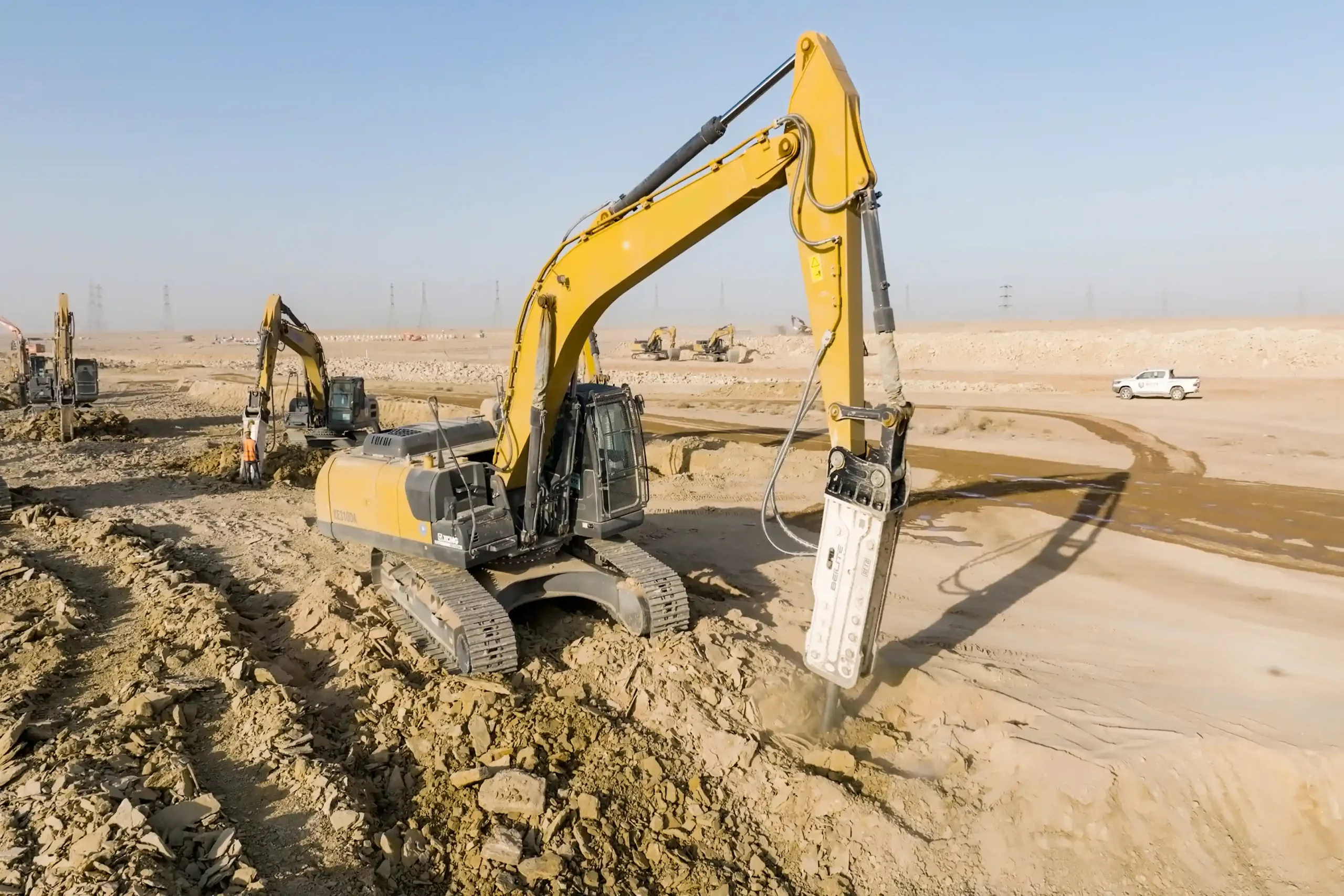
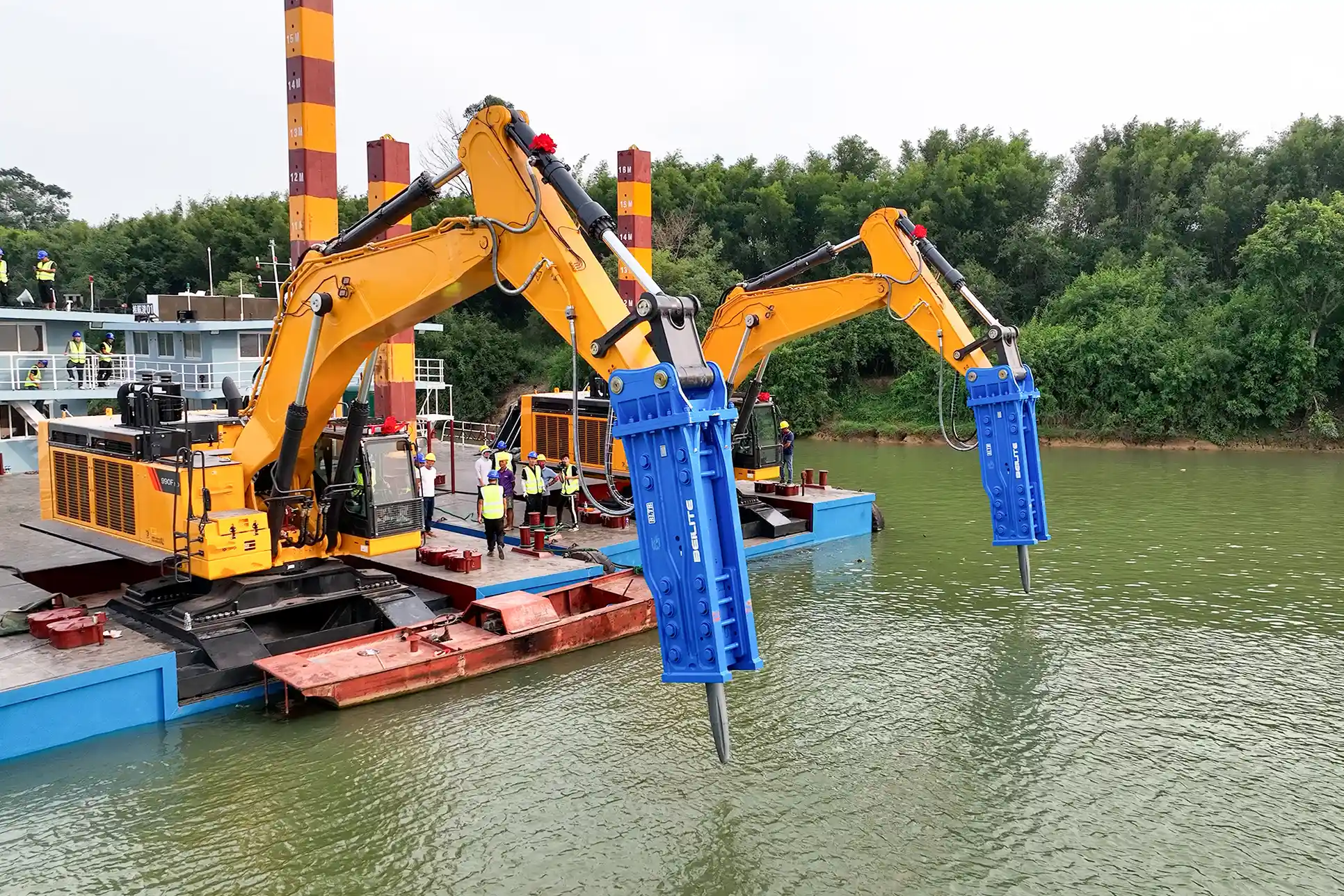
BEILITE Machinery Co., LTD, a national high-tech enterprise established in 2002, brings over two decades of experience to hydraulic breaker logistics. Specializing in R&D and manufacturing of high-end hydraulic breakers, the company has developed BLT and BLTB brand products engineered for diverse working conditions—from mining and demolition to tunneling and underwater applications. This extensive product range, including models like the BLT-70 and BLT-85, reflects comprehensive expertise across application types.
Participation in formulating national standards for hydraulic breakers in China, along with hundreds of patents, demonstrates commitment to quality assurance and technical leadership. A global distribution network spanning over 100 countries and regions ensures efficient delivery and reliable customer support worldwide. This extensive reach developed through years of solving logistics challenges across diverse regulatory environments and shipping routes.
Start a Conversation About Your Logistics Needs
As a national high-tech enterprise with over two decades of innovation and a global presence in 100+ countries, Beilite Machinery Co., LTD brings both manufacturing expertise and logistics experience to every project. Contact us at [email protected] or 40008-40008 to discuss your specific hydraulic breaker needs and delivery requirements.
Frequently Asked Questions About Hydraulic Breaker Logistics
What are the typical lead times for international hydraulic breaker shipping?
Lead times for international hydraulic breaker shipping vary significantly based on destination, chosen freight mode, customs processing, and current global logistics conditions. Ocean freight typically ranges from 20-60 days, while air freight runs 3-10 days. These estimates exclude origin and destination handling or potential unforeseen delays. Building buffer time into project schedules accounts for the variability inherent in international shipping.
How can I track my hydraulic breaker shipment once it leaves the factory?
Reputable logistics providers for hydraulic breaker shipments offer advanced tracking systems. Customers typically receive a tracking number or access to an online portal for monitoring real-time location and status from departure to final delivery. This transparency proves valuable for managing complex international logistics and coordinating equipment arrival with project schedules.
What documentation is required for customs clearance of hydraulic breakers?
Customs clearance of hydraulic breakers requires the commercial invoice, packing list, bill of lading (for ocean) or air waybill (for air), certificate of origin, and potentially an export license or specific permits depending on the destination country’s regulations for heavy machinery. Documentation requirements vary by country and intended use. Proper documentation prevents delays and ensures smooth international trade compliance—errors here create problems that compound quickly.