Anglais
 Français
New vs Used Hydraulic Breaker: Making the Right Investment
The decision between a new and used hydraulic breaker sits at the center of nearly every equipment procurement discussion I’ve been part of. It’s not just about price tags. The choice ripples through project timelines, maintenance budgets, and ultimately, whether the numbers work at year-end. Getting this wrong means either overpaying upfront or bleeding money through repairs and downtime later. Neither outcome serves the operation well.
Initial Investment Tells Only Part of the Story
The purchase price of a hydraulic breaker catches everyone’s attention first, but it represents just one line item in a much longer financial equation. New hydraulic breakers, including the BLT and BLTB series from BEILITE, carry higher initial costs. That capital outlay typically comes with comprehensive warranty coverage, which acts as insurance against unexpected repair bills during the first operational period. Financing terms for new equipment tend to be more favorable too—lower interest rates and longer repayment windows that spread the burden across more months.
A used hydraulic breaker appeals to operations watching every dollar. The lower entry point frees up capital for other needs. But that savings can evaporate quickly. Used equipment rarely comes with meaningful warranty protection, which means repair costs land squarely on the buyer’s shoulders. New equipment depreciates fastest in its early years, so a used breaker has already absorbed that initial value drop. Still, projecting resale value at the end of the planned service life matters for both options when mapping out long-term finances.
Calculating What You’ll Actually Spend Over Time
True cost of ownership reaches far beyond the invoice amount. It pulls in financing costs, maintenance budgets, spare parts pricing, daily operational expenses, and what the equipment might fetch when sold. New hydraulic breakers offer predictable maintenance windows and warranty backing, which keeps the total cost of ownership more stable and manageable across years of service. Used breakers, despite their attractive starting price, can generate higher and less predictable expenses that erode the initial savings. Running these numbers before signing anything separates smart procurement from hopeful guessing.
| Fonctionnalité | New Hydraulic Breaker | Used Hydraulic Breaker |
|---|---|---|
| Purchase | Higher upfront cost | Lower upfront cost |
| Garantie | Full manufacturer warranty | Garantie limitée ou inexistante |
| Maintenance | Predictable, typically lower in early years | Potentially higher, less predictable |
| Lifespan | Full expected operational life | Reduced, dependent on prior usage |
| Valeur de revente | Higher percentage of original value retained | Lower, further depreciated |
| Financing | More favorable terms, lower rates | Potentially higher rates, shorter terms |
Technology Advances That Show Up in Production Numbers
Current hydraulic breaker designs deliver measurable improvements in breaking force and impact energy through better materials and engineering. The BLT-155 model, built for 27–33 ton excavators, operates at 200–220 bar working pressure with a 155 mm chisel diameter. Those specifications translate directly into faster material reduction and shorter project timelines.
New breakers often include automatic lubrication systems, anti-blank firing mechanisms, and energy recovery features. These additions reduce component wear, improve energy efficiency, and lower noise and vibration exposure for operators. The design work also addresses compatibility across carrier machine types, which matters when equipment moves between different excavators on a job site. BEILITE’s ongoing hydraulic breaker innovation, supported by hundreds of patents, keeps pace with what global projects actually demand. 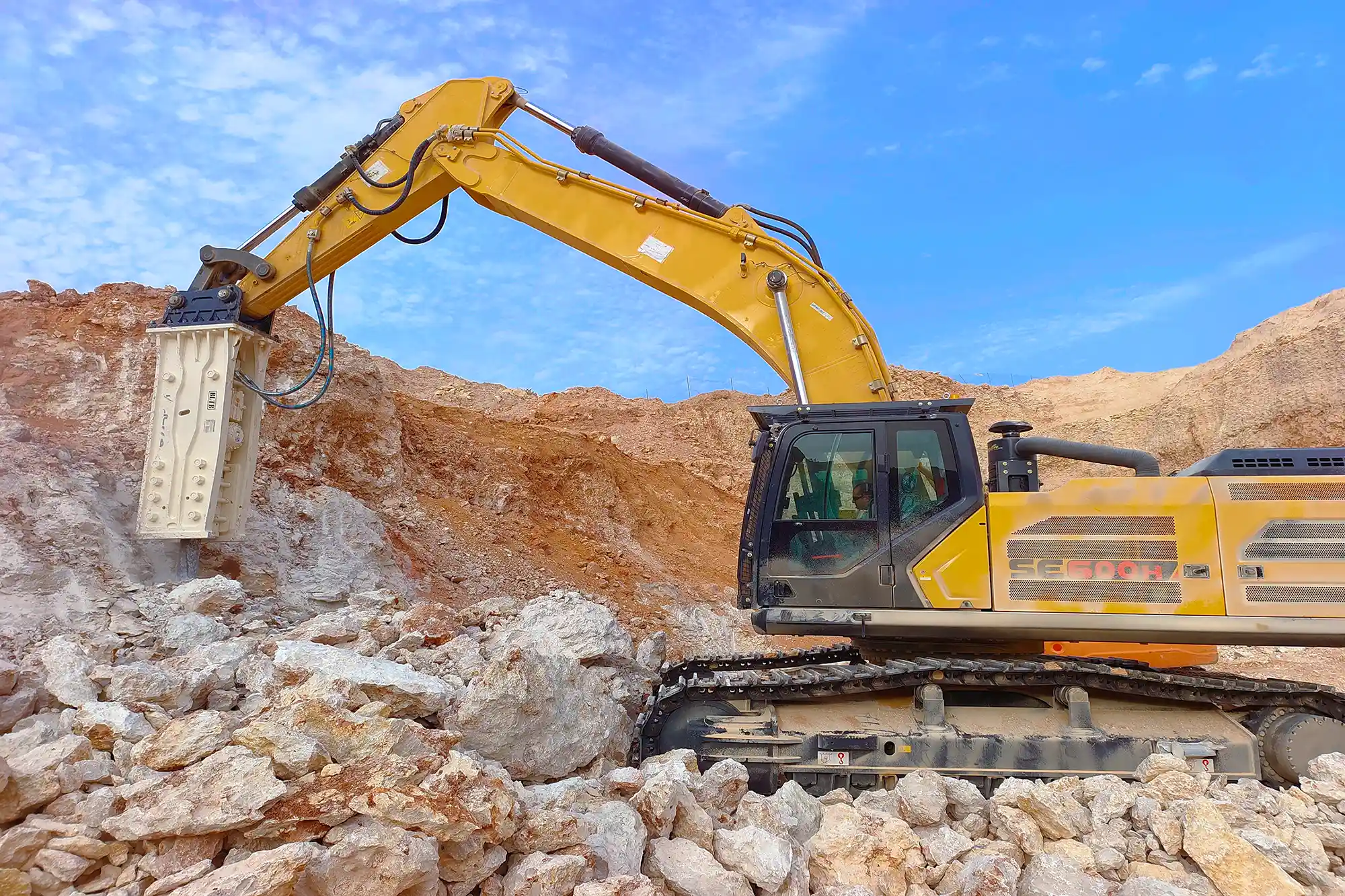
When New Equipment Makes the Difference
Projects with tight deadlines and zero tolerance for delays benefit most from new hydraulic breakers. New equipment maximizes uptime because nothing has worn down yet. The performance characteristics match published specifications without the uncertainty that comes with unknown service history. Full warranty coverage removes financial surprises during the critical early months. Current safety standards compliance comes built in rather than requiring retrofits. For demanding applications where reliability directly affects profitability, new Beilite hydraulic breakers deliver that assurance.
What Maintenance Records Reveal About Future Costs
Long-term equipment viability depends on maintenance practices, inherent reliability, and remaining service life. A new hydraulic breaker arrives with manufacturer warranty coverage, typically one to two years, protecting against early component failures. The clean maintenance history allows for straightforward preventative maintenance scheduling. Reliability stays high, downtime stays low, and the full projected equipment lifespan lies ahead.
Used hydraulic breakers present a different calculation. Their reliability ties directly to how previous owners treated them and how many hours they’ve already logged. Without verifiable service records, assessing true condition becomes educated guessing. Spare parts for older or discontinued models may be difficult to source, extending downtime when repairs become necessary. The lower purchase price looks less attractive when weighed against increased repair frequency and shortened remaining service life. Access to a responsive service network matters for any breaker, but especially for used units that may need attention more often.
Steps for Evaluating a Used Breaker Before Purchase
Thorough verification of service history reduces the risk of buying someone else’s problem.
- Request complete service records and maintenance logs from the seller.
- Cross-reference documentation with the equipment serial number to confirm authenticity.
- Arrange a detailed inspection by a qualified technician who knows hydraulic breakers, focusing on wear parts and hydraulic system condition.
- Look for evidence of unauthorized modifications or substandard repairs.
- Contact an authorized dealer with the serial number to verify what records they have on file.
This process provides the transparency needed to make a realistic assessment of what the used asset will actually cost to operate.
Safety Features and Compliance Requirements
The new versus used decision affects more than finances and productivity. It shapes workplace safety and regulatory standing. New hydraulic breakers incorporate current safety systems, including anti-vibration technology, improved sound dampening, and better operator interfaces. These features reduce fatigue and limit exposure to harmful noise and vibration levels over long shifts.
New equipment meets current environmental and safety regulations by design. Operations stay compliant without additional investment in upgrades or modifications. Older used breakers may lack these safety features entirely and might not satisfy current regulatory requirements. That gap creates compliance risk and potential costs for bringing equipment up to standard. Modern designs also tend toward better operational efficiency through optimized hydraulics, which can reduce fuel consumption while increasing material processing rates. For specialized work like Marteau brise-roche hydraulique pour la construction sous-marine ou Marteau brise-roche hydraulique pour les mines et les carrières, current safety features become even more important. 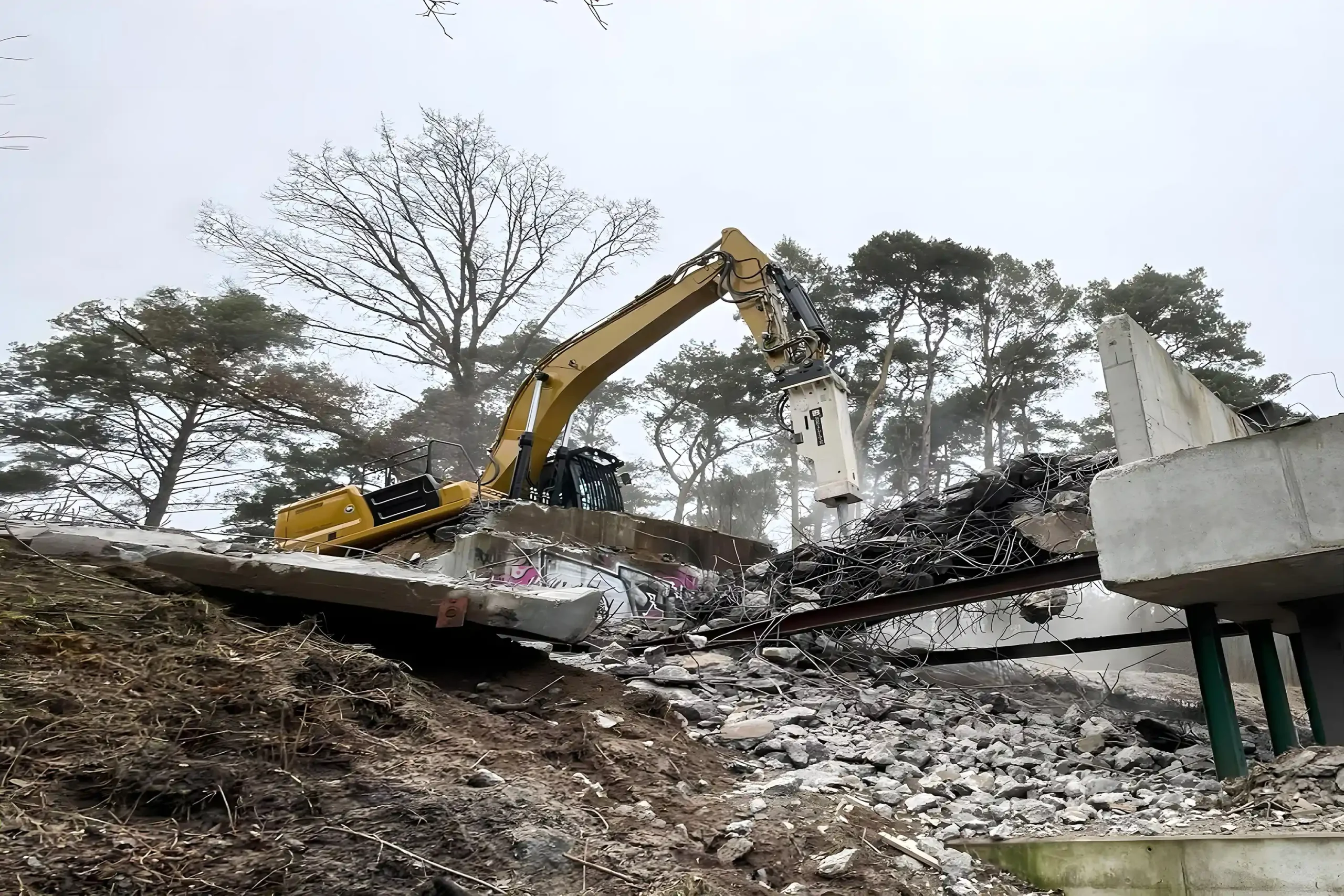
Matching Equipment Choice to Actual Project Demands
Smart equipment investment aligns the breaker selection with specific project requirements, available budget, and where the business needs to be in five years. Projects requiring consistent high-volume output and minimal downtime typically see better returns from a new hydraulic breaker. The technology advantages and warranty protection create predictable performance and manageable risk. Large infrastructure work and continuous mining operations, where efficiency directly affects profitability, fit this profile.
Operations with intermittent use, smaller project scopes, or constrained capital can make a well-inspected used breaker work financially. The critical factor is thorough evaluation to avoid hidden maintenance costs that surface after the purchase. Understanding where the market is heading and what technology changes are coming helps forecast future equipment needs and potential resale values. The decision should fit within a broader asset strategy that weighs initial outlay against total ownership costs, expected productivity, and long-term business direction. The BLT series spans a range from Hydraulic Breaker Hammer For Mini Excavator,Mini Excavator Breaker like the BLT-40 for 0.5–1.2 ton excavators up to heavy-duty units for larger machines, providing options across diverse application requirements. 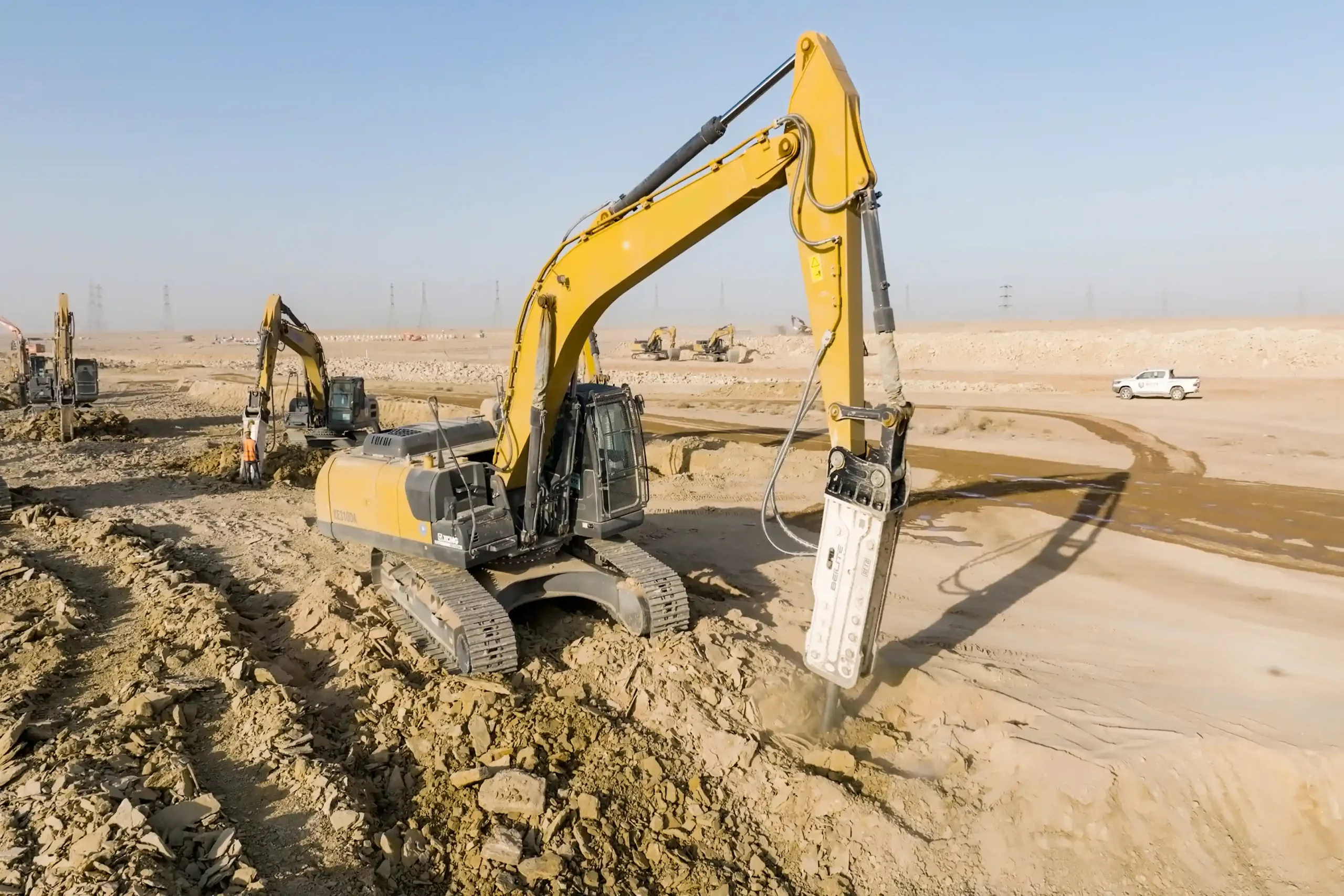
Frequently Asked Questions About Hydraulic Breaker Investment
What operational hours can be expected from new versus used breakers?
A new hydraulic breaker with proper maintenance typically delivers its full design life, often ranging from 5,000 to over 10,000 hours depending on model and application intensity. The manufacturer warranty provides assurance during the initial period. A used breaker’s remaining hours depend entirely on its previous life—how many hours it has already run, how well it was maintained, and how much wear remains in critical components. That remaining service life will always be shorter than what a new unit offers, and no warranty protection comes with it.
What verification steps protect against buying a problematic used breaker?
Start by requesting complete service records and maintenance logs. Have a certified technician perform a detailed inspection covering hydraulic system integrity, chisel wear, housing condition, and pin wear. Obtain the serial number and check with an authorized dealer to see what history they can confirm. A systematic inspection checklist ensures all critical components receive proper evaluation, producing an objective picture of actual equipment condition rather than seller claims.
Under what circumstances does paying more for new equipment make financial sense?
The higher cost of a new hydraulic breaker pays off when projects demand maximum reliability, consistent performance, and long-term operational efficiency. Full warranty protection, access to current technology, and superior breaking capability all contribute to that value. When downtime carries severe financial consequences, or when meeting current safety and environmental standards matters for the operation, a new unit delivers return on investment that justifies the initial premium. The technology and engineering in current Beilite models reflect decades of refinement aimed at exactly these operational priorities.
Partner with BEILITE for Your Hydraulic Breaker Needs
At BEILITE Machinery Co., LTD, we build hydraulic breakers that deliver innovation, reliability, and performance where it counts. Decades of R&D work and hundreds of patents stand behind our BLT and BLTB series. Whether you’re evaluating the long-term advantages of new equipment or need guidance on your equipment strategy, BEILITE provides solutions built for global confidence. Reach out to our specialists to discuss your specific operational requirements and learn how our hydraulic breakers can improve your productivity and profitability.
Courriel : [email protected]
Téléphone : 40008-40008