 Anglais
 Français
Hydraulic Breaker Trade-In Value: Maximize Your Asset’s Worth
Getting a fair shake on your old hydraulic breaker takes more than just showing up with equipment in tow. The numbers can swing wildly depending on factors most operators overlook until they’re sitting across from a buyer. After watching dozens of these transactions play out, the pattern becomes clear: preparation separates those who walk away satisfied from those who leave money on the table.
What Actually Drives Hydraulic Breaker Trade-In Value
The resale market for used hydraulic hammers moves with its own rhythm. Several factors shape what your attachment will fetch, and understanding them puts you in a stronger negotiating position while helping you anticipate depreciation before it catches you off guard.
Market demand shifts with construction trends. Breaker sizes that match current project needs command premium prices, while those suited for yesterday’s work sit longer on dealer lots. Timing matters more than most sellers realize.
Condition assessment remains the most direct value driver. A well-maintained breaker with minimal wear naturally attracts better offers than one leaking fluid and showing stress cracks. Housing integrity, seal condition, and chisel wear all factor into the equation. Brand reputation carries weight here too. Manufacturers known for durability and parts availability—BLT and BLTB among them—tend to hold their residual value better than lesser-known names.
Model year and operational hours tell the story of your equipment’s lifecycle. Fewer hours generally signal more remaining service life, though a comprehensive maintenance history can offset higher usage. Records showing regular servicing with genuine parts validate that someone cared for this machine properly.
Regional demand introduces another variable. Certain areas need specific breaker sizes or types based on local industry concentration. What moves quickly in a mining region might sit for months in an urban demolition market.
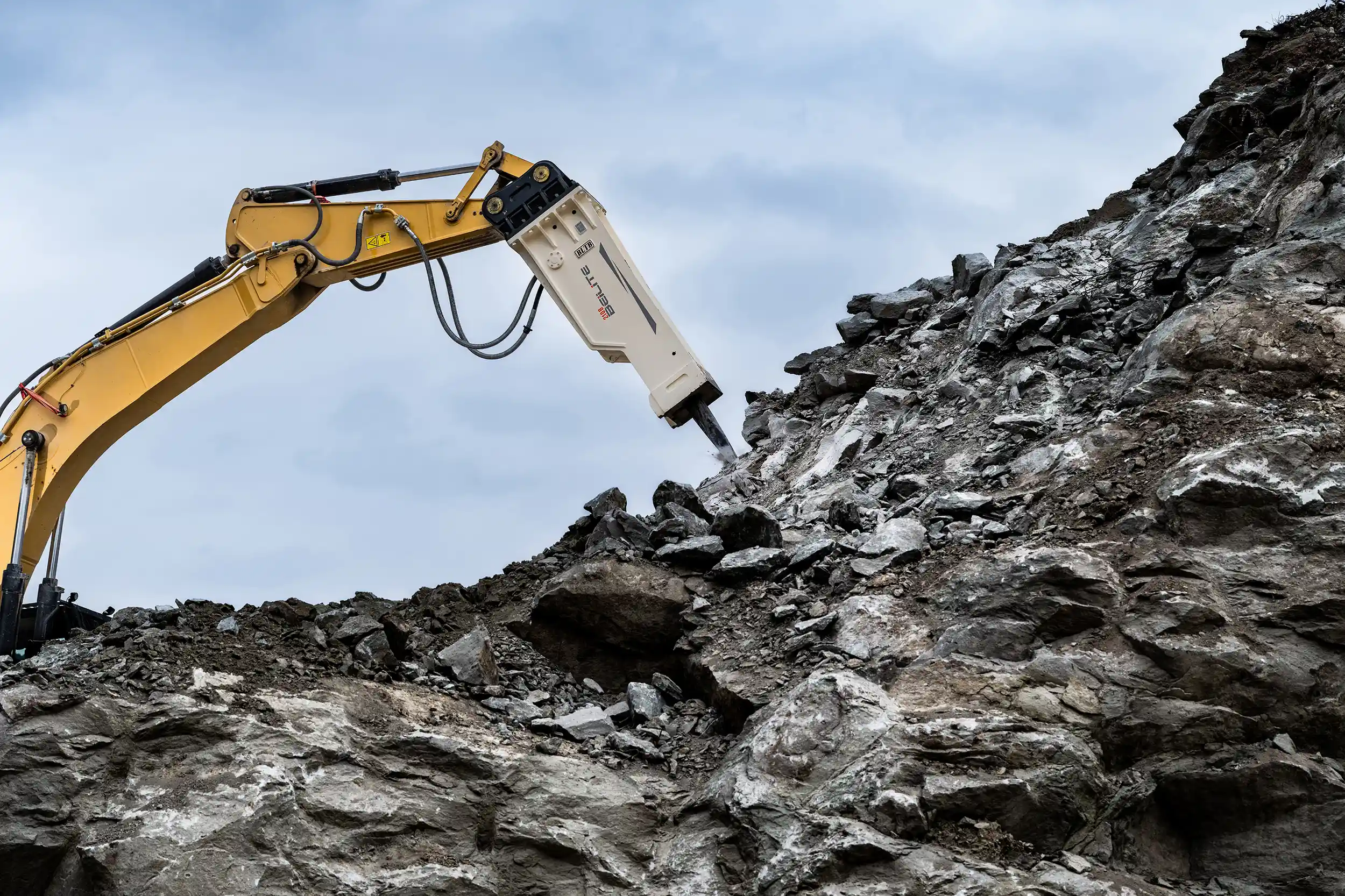
The following breakdown shows how these variables translate into actual value differences:
| Facteur | Excellent Condition (High Value) | Poor Condition (Low Value) |
|---|---|---|
| Physical Wear | Minimal scratches, no cracks | Significant damage, visible leaks |
| Maintenance | Full service records, OEM parts | Irregular service, generic parts |
| Hours | Low operational hours | High operational hours |
| Functionality | Fully operational, no faults | Requires major repairs |
| Brand | Reputable, high demand | Less known, lower demand |
Getting the Most From Your Hydraulic Breaker Trade-In
Maximizing your hydraulic breaker trade-in value requires systematic preparation rather than last-minute scrambling. Equipment lifecycle management starts long before you decide to upgrade, but even late attention to details can move the needle on your final offer.
How Dealers Calculate Hydraulic Breaker Trade-In Value
The appraisal process combines several evaluation methods. Dealers compare your unit against recent sales of similar used hydraulic hammers to establish a market baseline. A depreciation schedule accounts for age and estimated operational hours, while physical condition grading assesses actual wear on components.
Expert assessors weigh these factors against current demand to arrive at a fair number. The methodology aims for transparency, though understanding the process helps you anticipate where your breaker might fall on the value spectrum. Equipment specifications—impact energy, operating pressure, applicable excavator tonnage—determine marketability and influence the final calculation.
Documentation That Speeds Up the Trade-In Process
Complete paperwork prevents delays and protects against value reductions. Ownership records establish clear title. Maintenance logs demonstrate care patterns. Service history details every intervention the breaker has received.
Operational manuals provide specifications that buyers need for compatibility checks. Warranty information and compliance certificates round out the package. Having these documents organized and accessible signals responsible ownership, which translates into smoother negotiations and better offers.
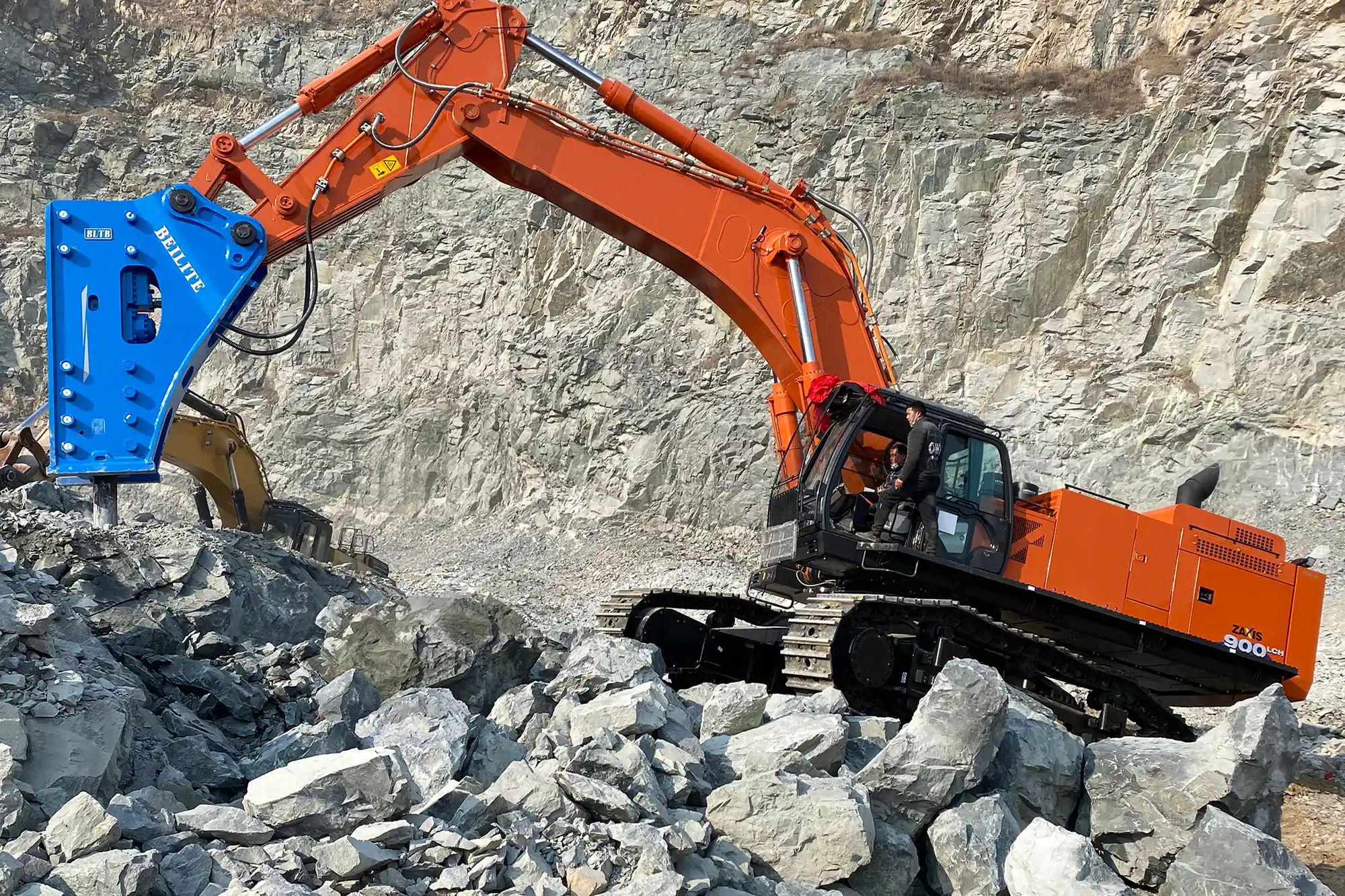
Preparation Checklist for Hydraulic Breaker Trade-In
- Clean the hydraulic breaker thoroughly
- Complete minor repairs and cosmetic touch-ups
- Verify fluid levels and eliminate leaks
- Gather ownership and title documents
- Compile maintenance and service records
- Locate operational manuals and parts lists
- Document recent part replacements or upgrades
- Capture current photos and video of the breaker operating
- Arrange a professional pre-trade inspection
- Research current market prices for comparable used hydraulic hammer units
Why Trading In Often Beats the Alternatives
The financial case for trading in your hydraulic breaker extends beyond simple convenience. Fleet optimization through strategic upgrades delivers operational advantages that compound over time.
Newer models incorporate technology improvements that translate into real productivity gains. Reduced cycle times, better fuel efficiency, and enhanced safety features all contribute to lower total cost of ownership. Trading in captures remaining value from your current asset while positioning you for these benefits.
The disposal costs associated with aging equipment disappear when a dealer takes the unit off your hands. Potential tax advantages may apply depending on how the transaction structures the credit toward new equipment. Maintaining a modern fleet also strengthens your competitive position for demanding projects where reliability matters.
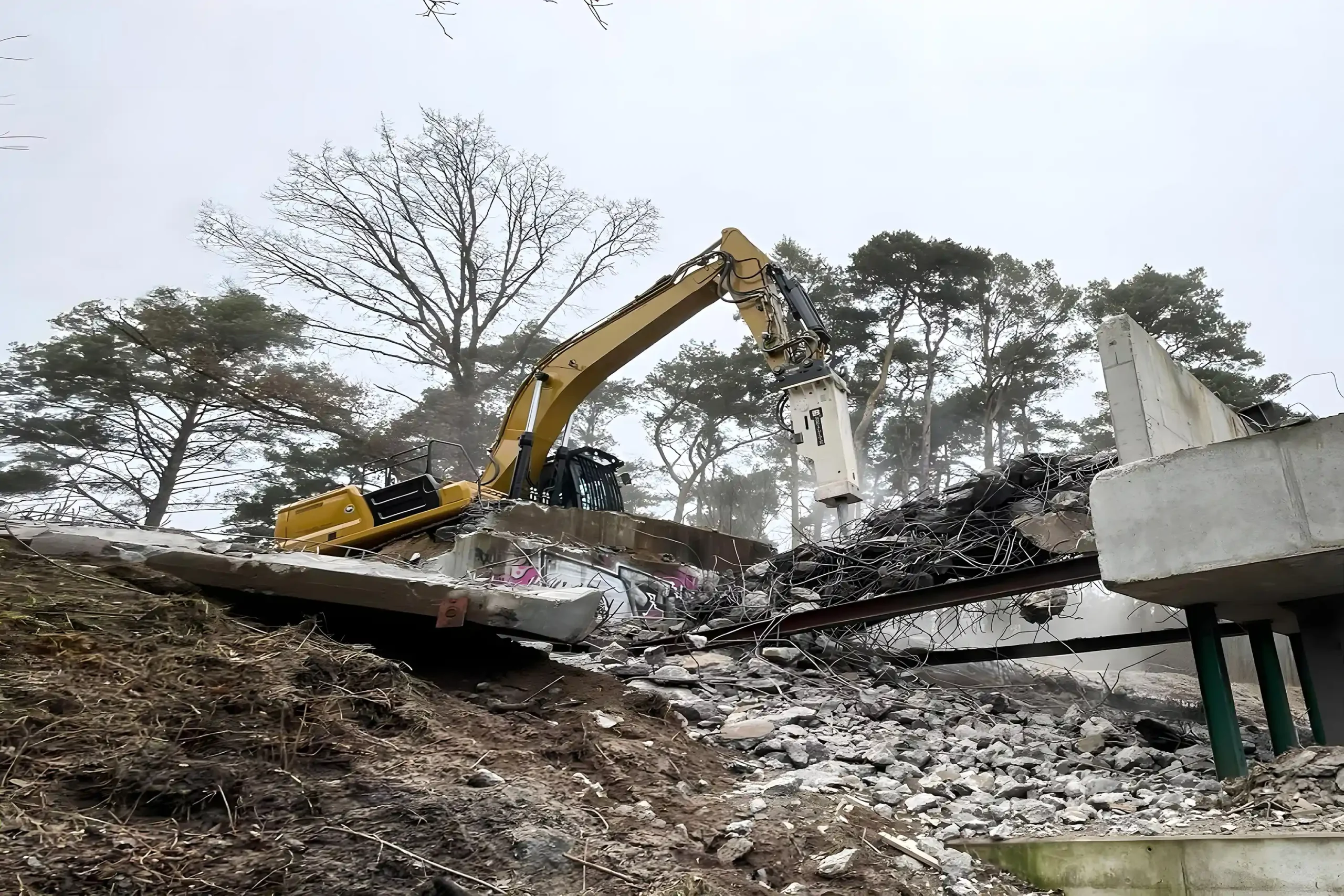
| Fonctionnalité | Trade-in (Pros) | Keep Old Equipment (Cons) | Private Sale (Pros & Cons) |
|---|---|---|---|
| Convenience | Single transaction, less effort | Retains asset, no immediate cost | Potentially higher price, but time-consuming & uncertain |
| Valeur | Guaranteed credit towards new purchase | Declining asset value, increased maintenance | Maximize profit, but requires marketing and negotiation |
| Efficiency | Immediate upgrade, improved productivity | Lower efficiency, higher operating costs | No direct upgrade path, separate purchase required |
| Tax Benefits | Potential sales tax reduction on new purchase | No tax benefits | No direct tax benefits on new purchase, potential capital gains |
| Risk | Dealer handles old equipment, less liability | Increased breakdown risk, safety concerns | Buyer disputes, warranty issues, payment risks |
Working With Beilite on Equipment Upgrades
BEILITE Machinery Co., LTD. has focused on hydraulic breaker R&D and manufacturing since 2002. The company holds national high-tech enterprise designation and has contributed to formulating national standards for hydraulic breakers in China. Hundreds of patents support the BLT and BLTB product lines, engineered for performance across varied working conditions.
The product range spans compact models for mini excavators through heavy-duty units built for large-scale demolition and mining operations. Distribution reaches over 100 countries, supported by service infrastructure designed to keep equipment running.
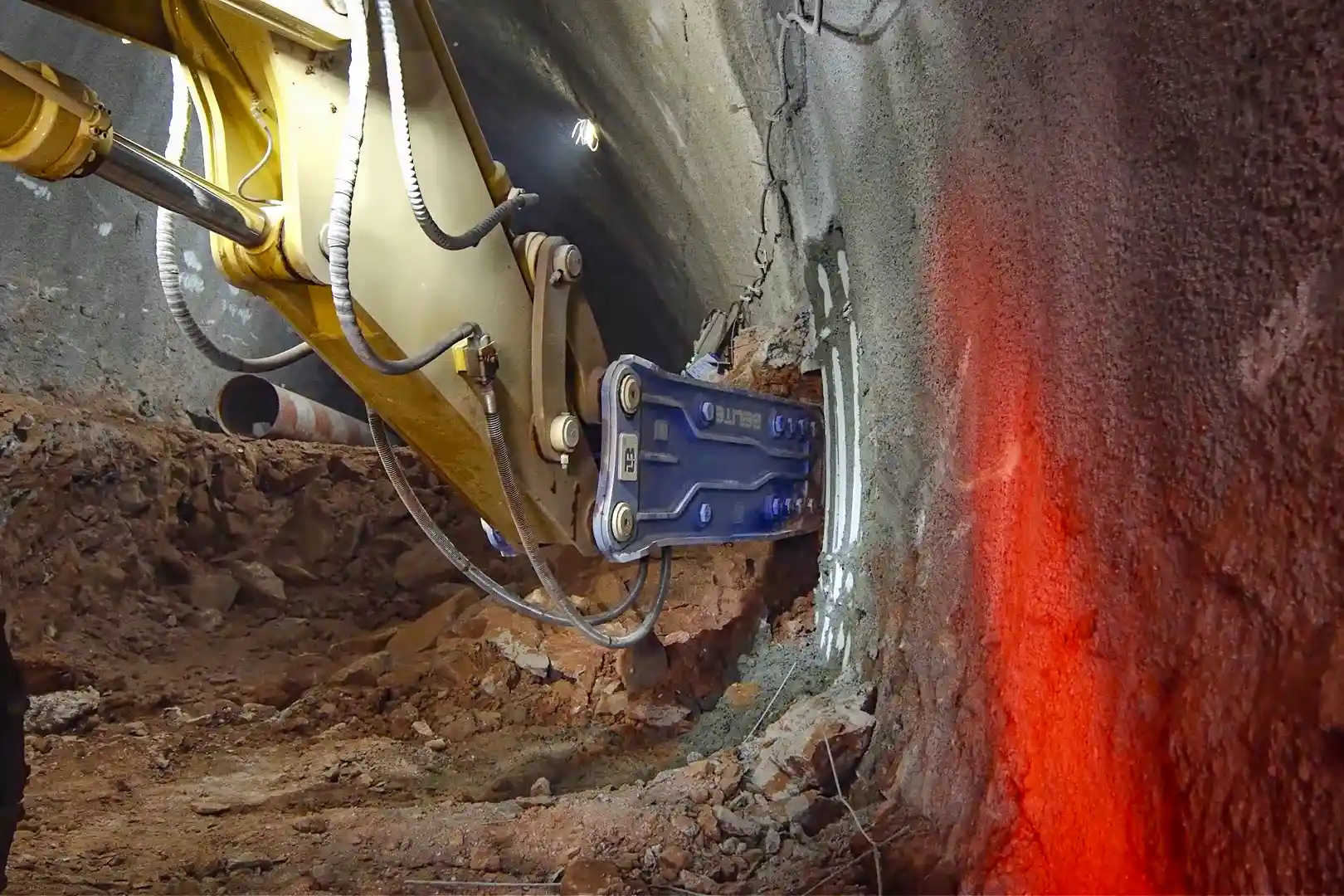
BLT series specifications illustrate the range available:
| Modèle | Excavateur applicable (t) | Poids total (kg) | Diamètre du ciseau (mm) | Pression de service (bar) | Strike Frequency (bpm) |
|---|---|---|---|---|---|
| BLT-40 | 0.5-1.2 | 86 | 40 | 90-120 | 800-1400 |
| BLT-75 | 6-8.5 | 466 | 75 | 120-150 | 400-800 |
| BLT-125 | 14-18 | 1357 | 125 | 150-170 | 350-650 |
| BLT-155 | 27-33 | 2610 | 155 | 200-220 | 200-300 |
| BLT-165 | 33-38 | 3149 | 165 | 210-230 | 150-300 |
Customer support extends through the upgrade process, from initial consultation through equipment integration.
Take the Next Step
Connect with Beilite Machinery’s team for a comprehensive evaluation of your current hydraulic breaker. Our specialists can assess your equipment’s trade-in value and match you with BLT or BLTB solutions suited to your operational needs. Reach us at [email protected] or call 40008-40008.
Frequently Asked Questions About Hydraulic Breaker Trade-Ins
Is it generally more beneficial to trade in a hydraulic breaker or sell it privately?
Trade-ins offer speed and simplicity. The transaction closes quickly, potential tax benefits may reduce your cost basis on new equipment, and you avoid the marketing and negotiation burden of private sales. Private sales can yield higher gross prices, but the time investment and uncertainty often erode that advantage. Your priorities determine which path makes sense.
What impact does the brand and model have on hydraulic breaker trade-in value?
Brand reputation directly affects resale value. Manufacturers with established track records for reliability and parts availability—BLT and BLTB included—retain value better than lesser-known alternatives. Popular models benefit from consistent market demand. Buying quality equipment initially positions you for stronger trade-in value when upgrade time arrives.
Can I trade in a hydraulic breaker that requires significant repairs?
Dealers often accept units needing work, though the valuation reflects repair costs they’ll absorb. Whether pre-repairing makes financial sense depends on the gap between repair costs and the resulting value increase. Sometimes trading “as-is” proves more cost-effective, particularly when damage is extensive or repair estimates run high.
How does Beilite Machinery support customers with hydraulic breaker upgrades?
Beilite provides consultation to assess operational needs and match customers with appropriate BLT or BLTB products. The support extends through equipment selection, trade-in evaluation, and integration into existing operations. The goal is making the transition straightforward while ensuring the new equipment fits the application.
What are the long-term financial benefits of upgrading my hydraulic breaker through a trade-in?
Newer equipment typically delivers lower maintenance costs, improved fuel efficiency, and higher productivity. Enhanced safety features reduce incident risk. Better resale value down the line contributes to lower total cost of ownership across the equipment’s lifecycle. These factors compound over years of operation, making the upgrade investment pay dividends well beyond the initial transaction.