 Anglais
 Français
Hydraulic Breaker Total Cost of Ownership: Maximizing ROI
Total Cost of Ownership for Hydraulic Breaker Hammers: A Complete Financial Analysis
When I first started tracking equipment costs across multiple job sites, the gap between what we paid upfront and what we actually spent over five years was staggering. A hydraulic breaker hammer that looked like a bargain at purchase often ended up costing 40% more than a premium unit once you factored in repairs, downtime, and early replacement. That experience reshaped how I evaluate any heavy equipment investment. Total Cost of Ownership provides the financial framework that captures these realities, analyzing every direct and indirect expense from day one through final disposal. For operations running Marteau brise-roche hydraulique pour la démolition et le cassage de roches, this perspective separates profitable equipment decisions from costly mistakes.
What Actually Drives Hydraulic Breaker Costs Over Time
The sticker price on a brise-roche hydraulique Hammer tells you almost nothing about what you’ll actually spend. A proper lifecycle cost analysis reveals layers of expenses that accumulate quietly but relentlessly. Acquisition costs include more than the purchase price—delivery fees, installation labor, and initial setup all add to the baseline. Then come the costs that rarely appear in sales conversations: financing charges, insurance premiums, and the administrative overhead of managing another asset in your fleet.
Operational expenses hit your budget every single day the breaker runs. Fuel consumption varies dramatically based on breaker efficiency and operator technique. Hydraulic fluid and lubrication costs add up faster than most operators expect. Regular maintenance and repair costs form their own category, covering both scheduled servicing and the unexpected component failures that seem to happen at the worst possible times. Wear parts like chisels and bushings need replacement on predictable cycles, but the actual frequency depends heavily on application and material hardness. Equipment depreciation quietly erodes asset value year after year, directly affecting what you can recover when it’s time to sell or trade in.
Fuel, Maintenance, and Downtime Shape Your Real Operating Budget
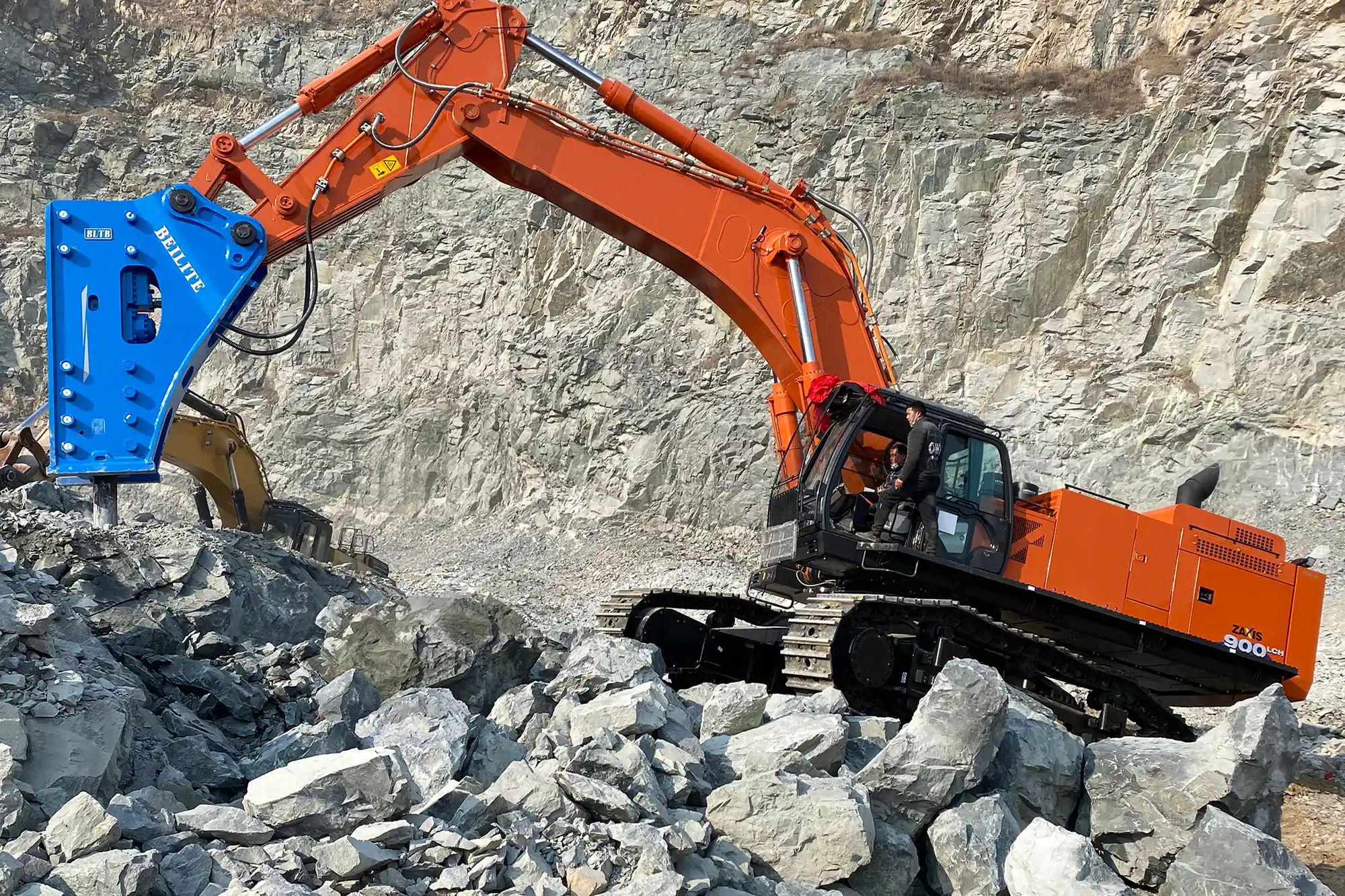
Operational efficiency determines whether a hydraulic breaker hammer makes money or drains it. High fuel consumption and poor hydraulic system efficiency inflate daily costs in ways that compound over thousands of operating hours. Maintenance expenses—both routine inspections and major repairs—represent another substantial cost driver that varies widely based on equipment quality and care.
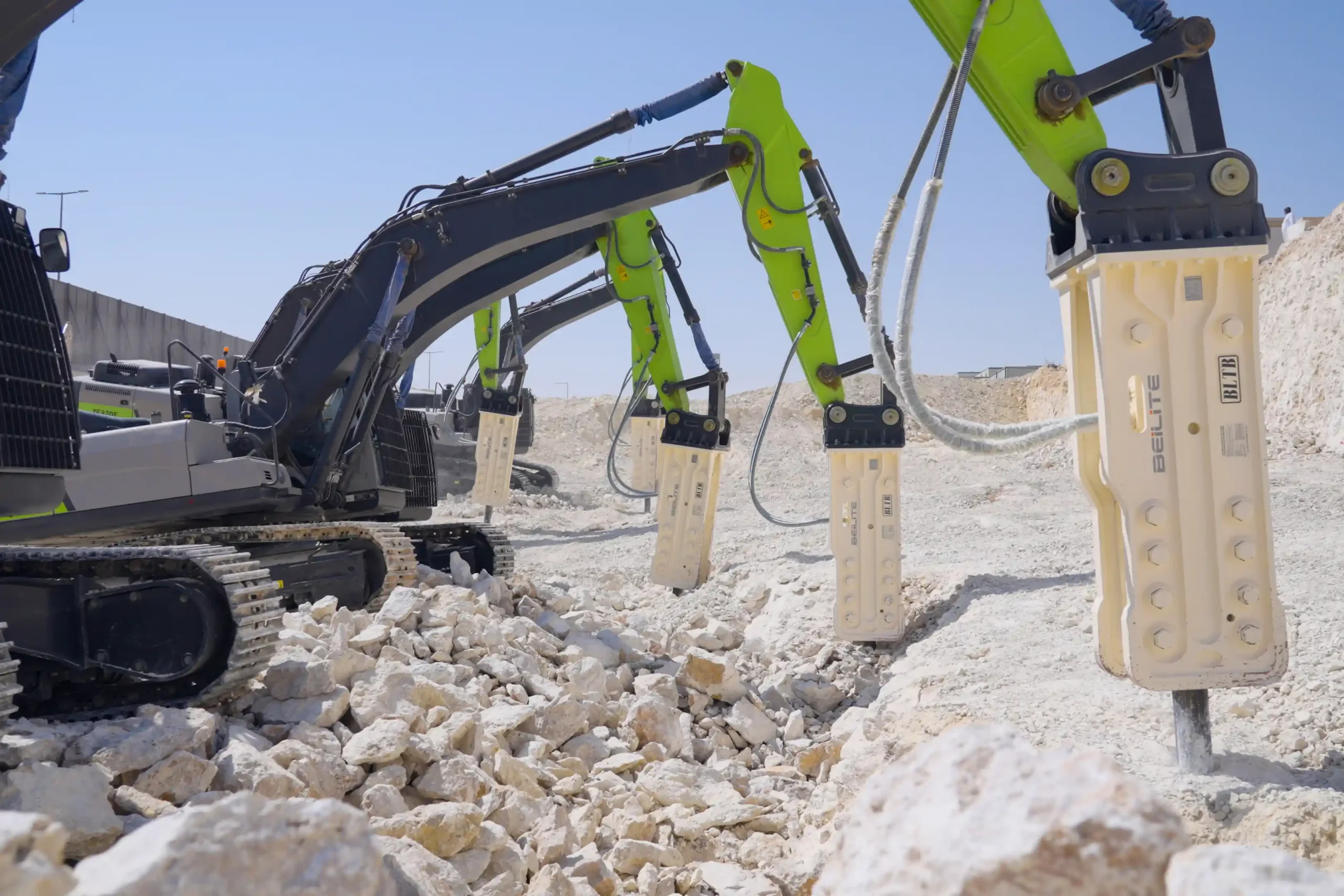
Unplanned downtime hits hardest. When a breaker fails mid-project, you’re not just paying for repairs. You’re absorbing productivity loss, potential contract penalties, and the ripple effects on project timelines. This matters especially in sensitive environments like Brise-roche hydraulique pour le génie municipal, les routes urbaines et les travaux d'utilité publique where delays affect traffic flow and public schedules.
Regular service intervals and a disciplined preventive maintenance schedule cut these costs significantly. Operator training on proper handling techniques also reduces wear, though this investment often gets overlooked. The selection and timely replacement of wear parts deserve careful attention. Using high-quality components from manufacturers like Beilite extends service life and reduces how often you’re calling for repairs.
Maintenance Cost vs. Downtime Impact
| Cost Factor | Impact on TCO | Stratégie d'atténuation |
|---|---|---|
| High Fuel Usage | Increased operational expenses | Efficient hydraulic system, proper breaker sizing |
| Frequent Repairs | Direct repair costs, parts, labor | Quality components, regular inspections |
| Unplanned Downtime | Productivity loss, project delays, penalties | Preventive maintenance, genuine spare parts |
| Wear Parts | Recurring replacement costs | Durable materials, correct chisel selection |
How Can You Reduce Hydraulic Breaker Operating Costs?
Several practical strategies lower operating costs without sacrificing performance. Implement lubrication best practices rigorously, ensuring all moving parts receive adequate grease to minimize friction and wear. Choose the correct chisel selection for each specific material, which optimizes impact energy and reduces stress on tool bits. Perform nitrogen pressure checks regularly to maintain optimal accumulator performance. Always use genuine spare parts to ensure compatibility and durability. Generic parts might cost less initially, but they often fail sooner and can damage other components.
Strategic Maintenance and Parts Management Extend Equipment Life
Effective maintenance and careful parts management determine how long a hydraulic breaker hammer remains productive. A robust preventative maintenance program catches small problems before they become expensive failures. This includes systematic checks, fluid analysis, and component replacements based on actual condition rather than arbitrary schedules. Using genuine parts preserves the attachment lifespan and maintains the hydraulic system’s integrity.
Regular tool bit replacement and consistent chisel wear monitoring prevent damage to internal components. Following manufacturer recommendations for hydraulic fluid quality and change intervals protects the entire hydraulic system from contamination and degradation. Beilite Machinery Co., LTD emphasizes high-quality components in its BLT and BLTB brand products, which contributes to their durability across demanding applications including Marteau brise-roche hydraulique pour la construction sous-marine. Comprehensive warranty coverage and reliable dealer support reduce the financial risk when repairs become necessary. Having repair parts available quickly minimizes the downtime that kills productivity.
Why is Preventative Maintenance Crucial for Hydraulic Breaker Longevity?
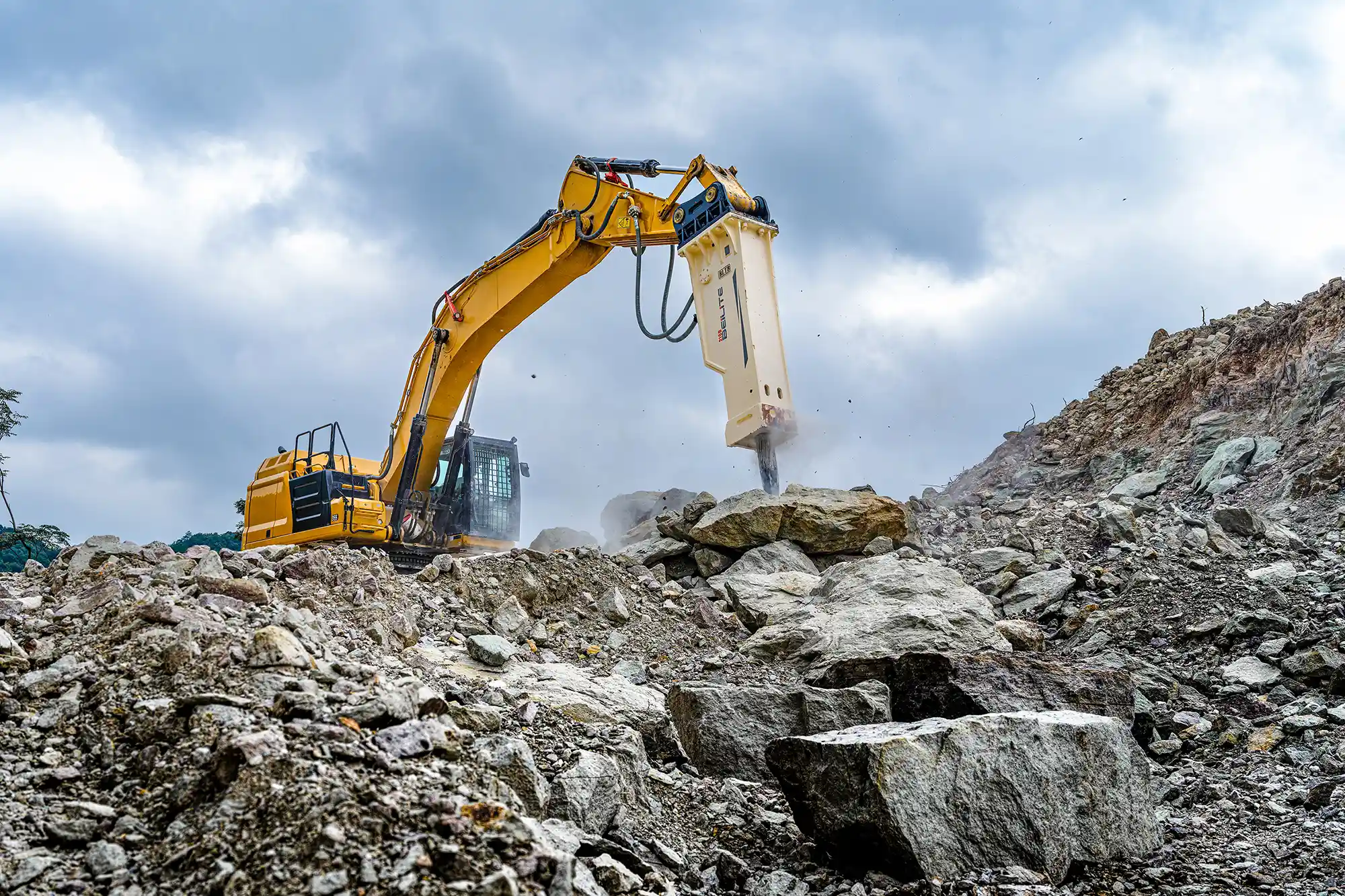
Preventative maintenance extends service life by addressing minor issues before they cascade into major problems. A worn seal that costs $50 to replace can cause hydraulic contamination that destroys $5,000 worth of components if ignored. This proactive approach prevents catastrophic failures that strand equipment and halt projects. Regular maintenance also keeps the breaker operating at peak efficiency, which maintains consistent productivity. The safety implications matter too—properly maintained equipment reduces operational hazards for everyone on site.
What is the Average Lifespan of a Hydraulic Breaker?
Hydraulic breaker lifespan varies significantly, typically ranging from 5,000 to over 10,000 operational hours. Application intensity drives much of this variation. Breakers working hard rock in Marteau brise-roche hydraulique pour les mines et les carrières operations experience more stress than those handling softer materials. Operator skill affects longevity substantially—aggressive or improper technique accelerates wear on every component. Build quality matters enormously. Manufacturers like Beilite engineer their products for extended service life, and many breakers can be rebuilt rather than replaced when major components wear out.
Protecting Resale Value and Managing Depreciation
Financial planning for a hydraulic breaker hammer must account for what happens when you’re done with it. Maximizing resale value and managing depreciation directly affect your return on investment. Depreciation is unavoidable, but how fast an asset loses value depends heavily on how it’s been treated.
A meticulous service history documented with genuine parts demonstrates proper care to potential buyers. This documentation alone can add thousands to resale value. Regular reconditioning and timely equipment upgrades extend useful life and improve trade-in potential. Market demand for specific models and sizes also influences what you can recover. Beilite products, recognized across more than 100 countries, tend to hold value better than lesser-known brands because buyers trust the quality. By focusing on these elements throughout ownership, you recover a larger portion of your initial investment when it’s time to move on.
Selecting the Right Hydraulic Breaker Using TCO Principles
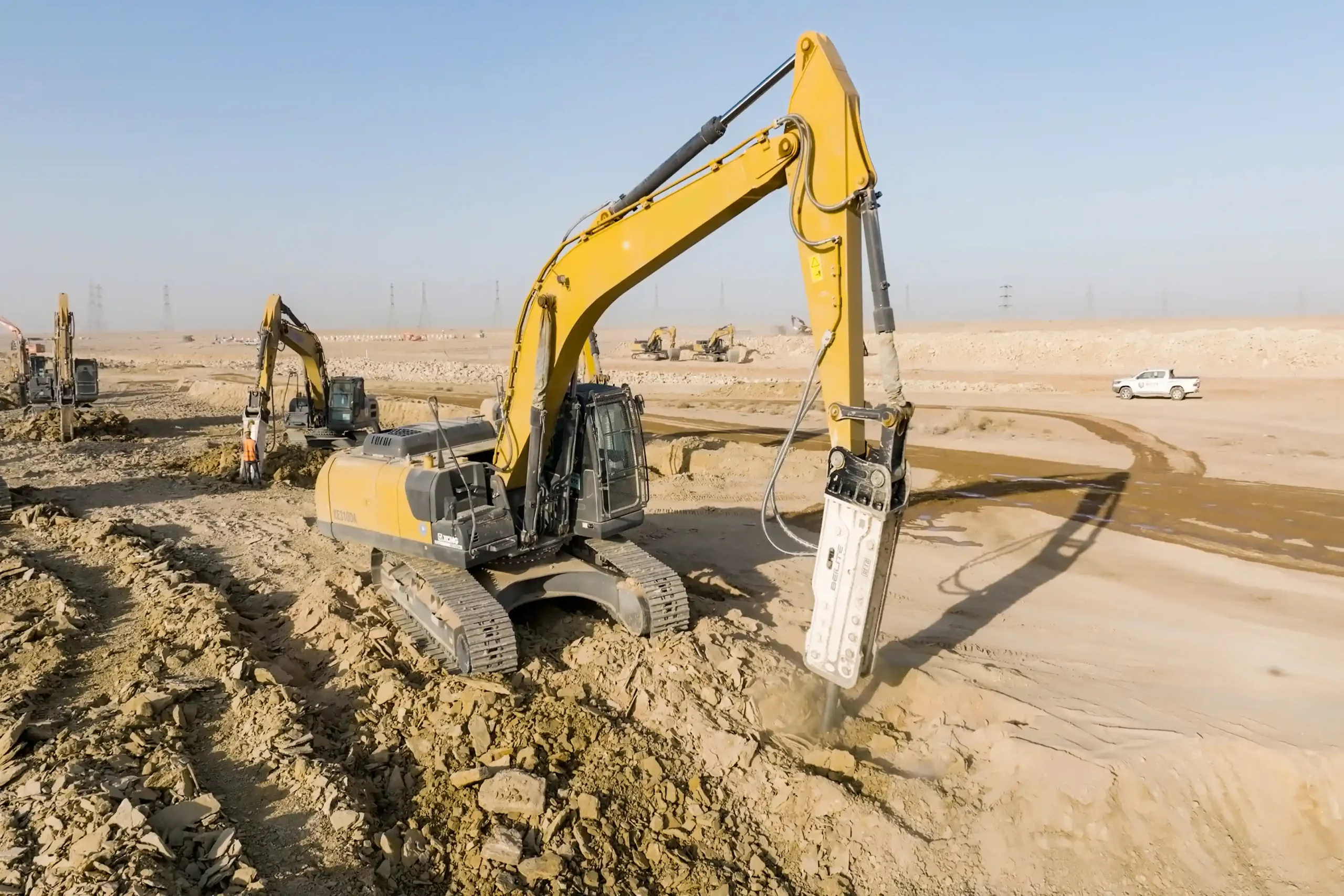
A procurement approach driven by total cost of ownership ensures long-term value rather than short-term savings. The right attachment selection starts with understanding your specific application and required impact energy. A Marteau brise-roche hydraulique pour mini-pelle compacte has completely different TCO considerations than a heavy-duty model designed for primary rock breaking. Machine compatibility with your excavator affects performance and prevents premature wear on both units. This applies equally to excavators and Marteau brise-roche hydraulique pour pelleteuse,Prix direct d'usine attachments. Reliability factors like robust design and quality manufacturing directly influence maintenance frequency and uptime, particularly for specialized equipment like Modèles de machines de mise à l'échelle.
Manufacturer support and brand reputation deserve serious weight in your decision. Beilite Machinery Co., LTD brings over two decades of innovation to its BLT and BLTB brand products, now trusted in more than 100 countries. Their participation in developing national standards and hundreds of patents reflect genuine commitment to quality and durability. Evaluating financing options and warranty coverage also impacts total lifecycle costs. For smaller projects, selecting a Marteau piqueur hydraulique pour mini-pelle,Marteau piqueur pour mini-pelle requires the same careful evaluation of operational costs and expected lifespan that applies to larger equipment.
Key Breaker Features vs. TCO Impact
| Fonctionnalité | Low Initial Cost Model | High Quality Model (e.g., Beilite) | TCO Impact |
|---|---|---|---|
| Durabilité | Lower-grade materials, shorter life | High-strength alloys, extended life | Higher repairs, frequent replacement vs. lower maintenance |
| Efficiency | Higher fuel/oil consumption | Optimized hydraulic system, lower consumption | Increased operational costs vs. fuel savings |
| Maintenance Needs | More frequent, costly repairs | Longer service intervals, fewer issues | Higher downtime, higher repair costs vs. lower downtime |
| Parts Availability | Limited, non-genuine options | Readily available genuine spare parts | Extended downtime vs. quick repairs |
| Valeur de revente | Significantly lower | Plus élevé | Greater capital recovery vs. reduced loss |
Does a Higher Initial Price Always Mean a Lower TCO for Hydraulic Breakers?
A higher purchase price often translates to significantly lower total cost of ownership, though the relationship isn’t automatic. Premium models from manufacturers like Beilite feature advanced engineering and quality components that deliver greater reliability, reduced downtime, and lower maintenance costs across the equipment’s lifespan. The superior performance and extended warranty associated with high-end breakers generate real savings over time. The key is evaluating whether the specific premium features address your actual operating conditions and cost drivers.
Discover Beilite’s High-End Hydraulic Breaker Solutions
Elevate your project efficiency and minimize long-term costs with hydraulic breakers engineered for superior performance and durability. As a national high-tech enterprise with over two decades of innovation and participation in national standards, Beilite Machinery Co., LTD offers BLT and BLTB brand products trusted in over 100 countries. Discover how our cutting-edge technology and commitment to quality can optimize your total cost of ownership. Contact us today for a consultation or to explore our high-end hydraulic breaker solutions at [email protected] or call 40008-40008.
Frequently Asked Questions About Hydraulic Breaker Ownership
What factors primarily contribute to the total cost of ownership of a hydraulic breaker?
TCO extends well beyond purchase price to include operational costs like fuel and lubrication, ongoing maintenance and repair expenses, wear parts replacement, downtime costs from equipment failures, and eventual resale or depreciation value. Each factor compounds over time. A breaker with 10% higher fuel consumption costs thousands more over 5,000 operating hours. Managing these factors strategically maximizes return on investment and supports accurate long-term financial planning.
How can Beilite hydraulic breakers help reduce long-term operational expenses?
Beilite hydraulic breakers are engineered for efficiency and durability through high-end manufacturing and core technological advances. This design philosophy translates to lower fuel consumption, extended service intervals, reduced need for frequent parts replacement, and minimized downtime. The cumulative effect directly lowers overall operational expenses and total cost of ownership. Reliable performance in demanding applications means fewer surprises and more predictable budgeting.
Is investing in premium hydraulic breaker models always a better choice for TCO?
Premium hydraulic breakers typically deliver lower total cost of ownership despite higher upfront investment. Advanced engineering, robust components, and enhanced performance lead to greater reliability, less downtime, lower maintenance costs, and higher residual value at resale. The math usually favors quality over the equipment’s full lifespan. Exceptions exist for very light-duty applications or short-term projects where the breaker won’t accumulate enough hours for quality differences to matter.
What role does preventative maintenance play in optimizing hydraulic breaker TCO?
Preventative maintenance is fundamental to TCO optimization. Regular servicing, timely wear parts replacement, and proper lubrication extend breaker lifespan significantly while preventing costly catastrophic failures. This proactive approach maintains peak operational efficiency and protects your investment. Skipping scheduled maintenance to save money in the short term almost always costs more through accelerated wear, unexpected failures, and shortened equipment life.
Where can I find reliable support and genuine parts for my BLT or BLTB hydraulic breaker?
Beilite Machinery Co., LTD exports to over 100 countries and maintains a global support network. For reliable assistance, genuine BLT and BLTB brand parts, and expert service, contact your authorized Beilite dealer or reach out directly to [email protected]. Using genuine parts is critical for maintaining performance, preserving warranty coverage, and optimizing total cost of ownership. The company ensures parts availability and expert assistance across all major markets.