 Anglais
 Français
Hydraulic Breaker ROI: Strategic Decisions for Asset Value
When you run the numbers on a hydraulic breaker, the purchase price is just the opening act. The real story unfolds over months and years of operation—fuel burned, parts replaced, hours lost to unexpected failures. I’ve seen projects where a cheaper breaker ended up costing more within eighteen months than a premium unit would have over five years. That kind of math changes how you think about equipment investment entirely.
What Total Cost of Ownership Actually Means for Hydraulic Breaker ROI
A narrow focus on upfront capital expenditure distorts the true economic picture of heavy equipment. For hydraulic breakers, Total Cost of Ownership captures every dollar that flows out during the equipment’s working life. Direct costs cover the obvious items: purchase price, fuel consumption, operator wages. Indirect costs are where surprises hide—maintenance expenses, spare parts inventory, and the financial damage from unplanned downtime that stalls an entire project.
These hidden costs can quietly erode what seemed like a smart purchase decision. A breaker that saves $8,000 at checkout but requires $3,000 more in annual maintenance and loses two extra days per quarter to repairs will fall behind a higher-quality unit within the first contract cycle. Thorough TCO analysis separates equipment that looks affordable from equipment that actually is.
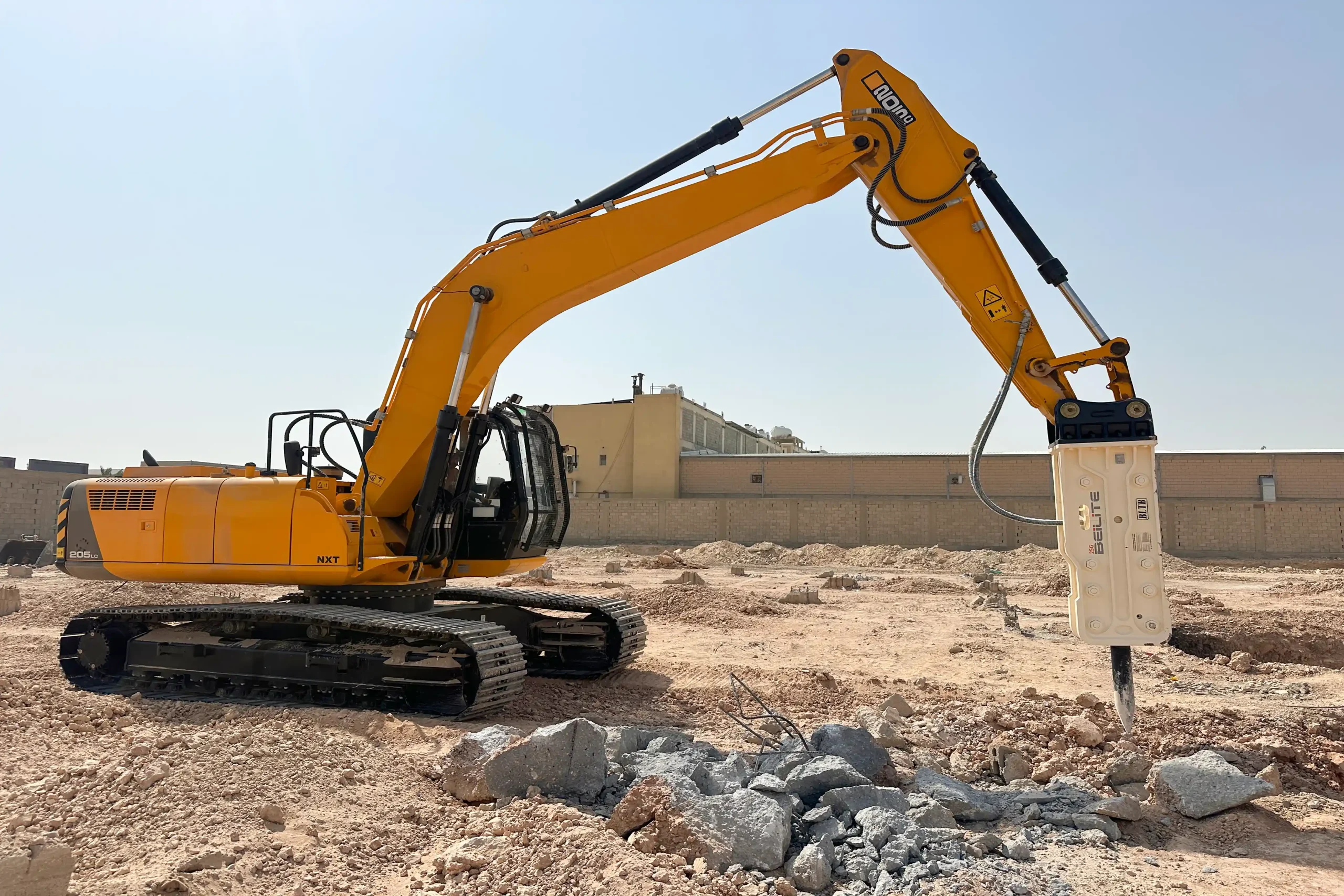
Flowchart: Purchase Cost -> Operating Costs + Maintenance -> Productivity Gains -> ROI.
Factors That Shape Hydraulic Breaker ROI in Real Operations
Multiple variables work together to determine whether a hydraulic breaker delivers strong returns or drains resources. Operational costs start with fuel efficiency and hydraulic system compatibility—mismatched flow rates between breaker and carrier waste energy and accelerate wear. Maintenance expenses depend heavily on whether you’re using genuine parts and following proper service intervals.
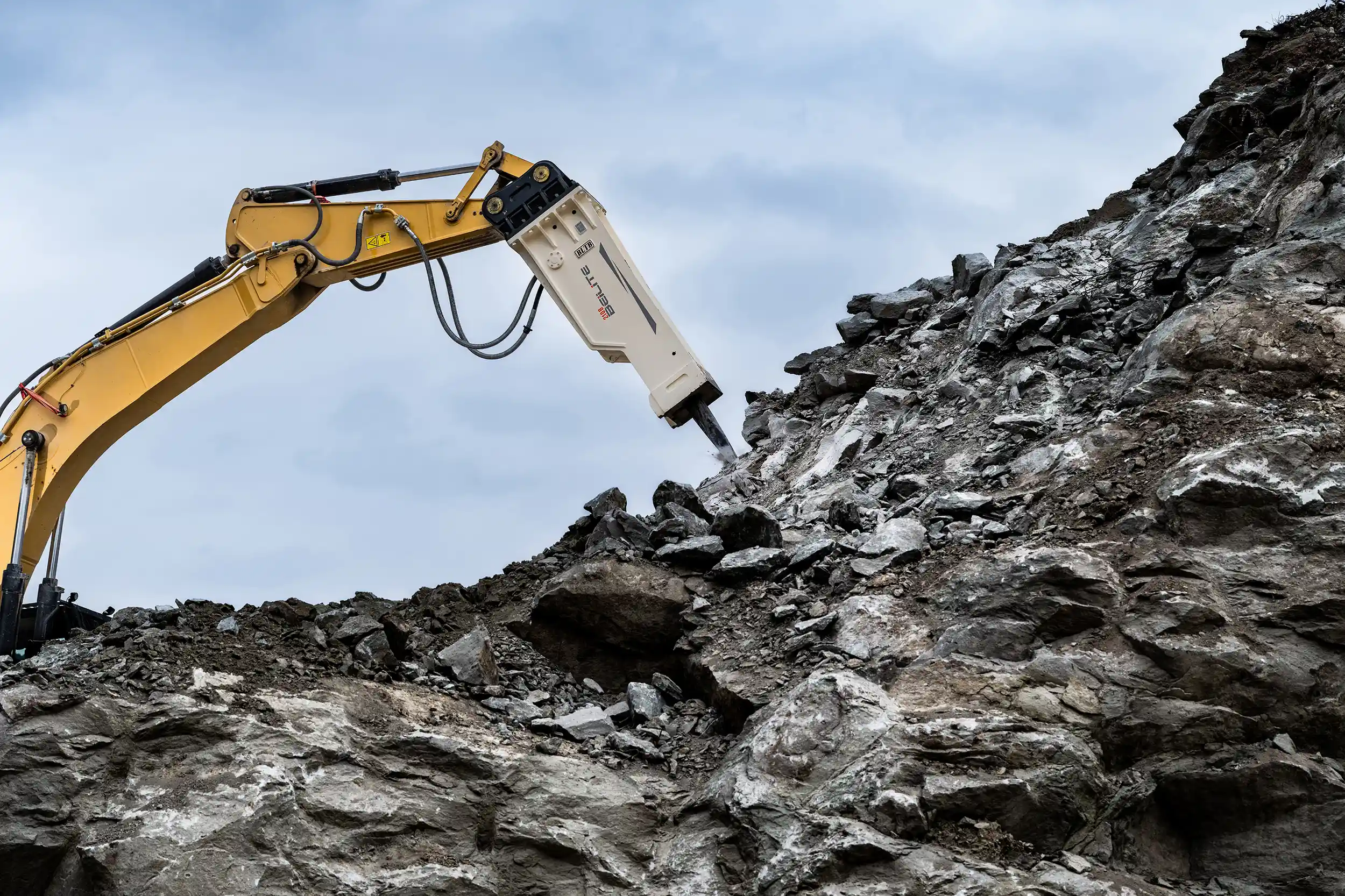
The uptime-to-downtime ratio matters more than most operators initially realize. Every hour a breaker sits idle while waiting for parts or repairs is an hour the excavator isn’t earning. Breaker lifespan varies dramatically based on material hardness at the job site, operating technique, and component quality from the manufacturer. Impact energy and blow frequency need to match the application—undersized breakers struggle and wear out faster, while oversized units waste fuel and stress the carrier.
| Component Quality | Uptime | Maintenance Frequency | Repair Costs | Breaker Lifespan |
|---|---|---|---|---|
| High-Grade | Haut | Faible | Plus bas | Extended |
| Standard | Medium | Medium | Modéré | Standard |
Calculating True Hydraulic Breaker ROI Step by Step
Accurate ROI calculation requires tracking both gains and costs across the full operational period. Start by quantifying total gains—increased productivity, faster project completion, reduced labor hours per cubic meter of material broken. Then sum every cost: purchase price, fuel, operator time, scheduled maintenance, unplanned repairs, and parts replacement.
Apply the standard formula: (Gain from Investment – Cost of Investment) / Cost of Investment. If a hydraulic breaker generates $100,000 in additional revenue over three years while costing $60,000 to acquire, operate, and maintain, the ROI comes to 66.67%. This percentage gives you a concrete basis for comparing equipment options and justifying capital allocation decisions.
ROI Calculation Formula: (Gain from Investment – Cost of Investment) / Cost of Investment
Strategic Decisions That Maximize Hydraulic Breaker Investment Returns
Getting strong returns from a hydraulic breaker starts before the purchase order goes out. Equipment selection criteria should prioritize compatibility with your carrier fleet, durability ratings for your typical material types, and performance specifications that match your workload. Overpaying for capacity you won’t use wastes capital; underpaying for inadequate equipment wastes time.
Operator training pays dividends that compound over the equipment’s entire service life. Trained operators use correct techniques that reduce internal wear, maintain proper greasing schedules, and recognize early warning signs before small problems become expensive failures. Preventive maintenance programs catch issues during scheduled downtime rather than in the middle of a critical pour window.
Genuine parts cost more upfront but eliminate the risk of premature failure from substandard components. Strong warranty terms and accessible service networks reduce the financial exposure from manufacturing defects or unexpected component failures.
Pre-Purchase Evaluation Checklist:
1. Assess application requirements and material types
2. Verify hydraulic system compatibility with the carrier
3. Evaluate manufacturer’s reputation and support network
4. Review warranty terms and parts availability
5. Consider advanced features for efficiency and durability
Maintenance Strategies That Extend Breaker Lifespan and Protect ROI
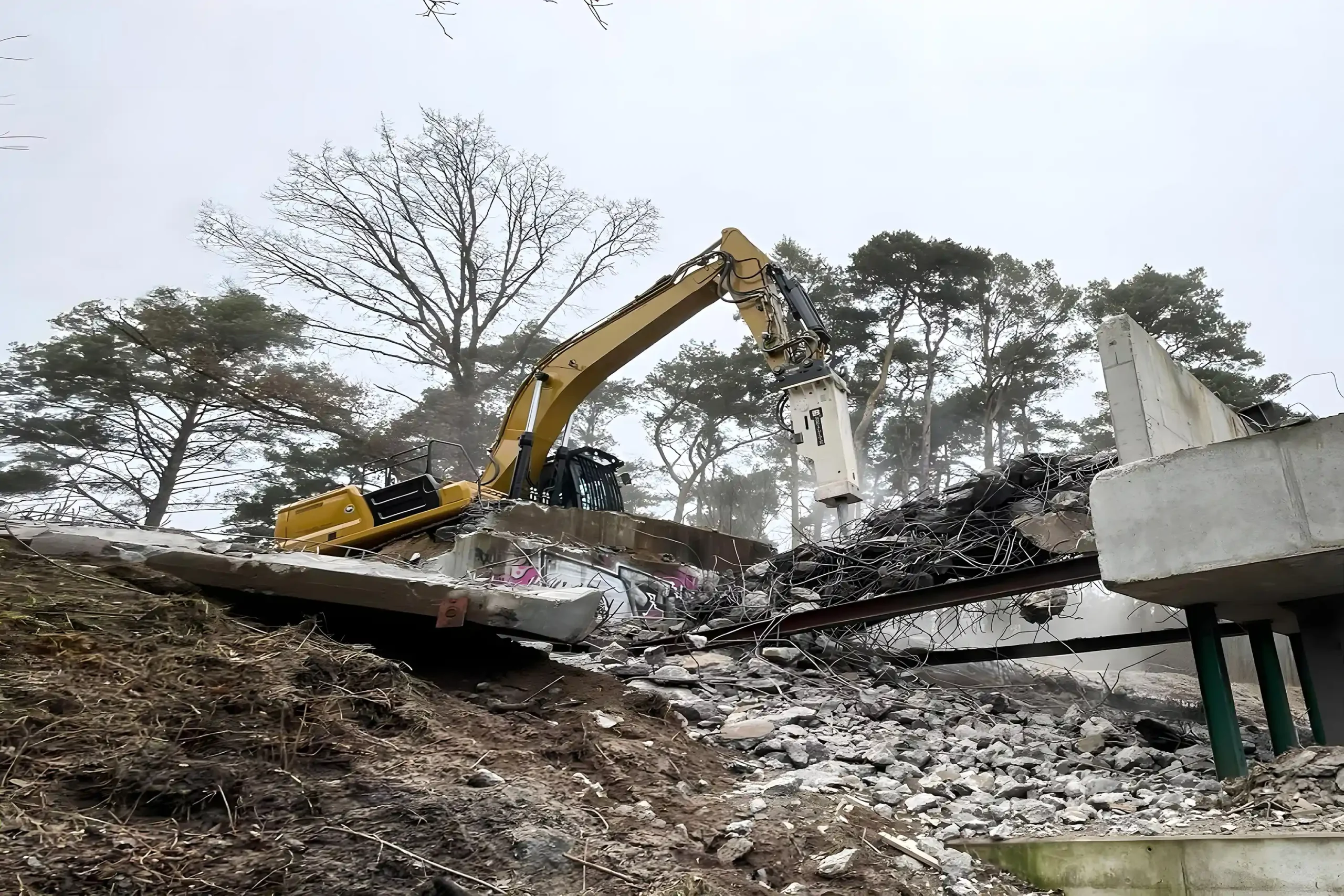
Maintenance approach determines whether a hydraulic breaker reaches its design lifespan or fails prematurely. Predictive maintenance programs use routine inspections and performance monitoring to identify developing problems before they cause breakdowns. A slight change in blow frequency or unusual vibration patterns often signals internal wear that’s still repairable.
Regular lubrication with manufacturer-specified grease prevents metal-to-metal contact in critical joints. Chisel replacement timing matters more than many operators realize—running a worn chisel transfers impact stress to the piston and cylinder, accelerating wear on components that cost far more to replace. Scheduled service intervals exist because engineers calculated optimal replacement timing based on typical wear patterns.
Maintenance Schedule Example:
– Daily: Inspect chisel, check for leaks, lubricate points
– Weekly: Check hydraulic hose connections, inspect tool retainer
– Monthly: Verify nitrogen pressure, inspect housing for cracks
– Quarterly: Replace hydraulic filter, inspect accumulator
Features That Drive Long-Term Hydraulic Breaker Profitability
Certain engineering features deliver measurable financial benefits over a breaker’s service life. Energy recovery systems capture rebound energy from the piston and redirect it into the next strike, increasing effective impact power while reducing fuel consumption. The physics are straightforward—energy that would otherwise dissipate as heat gets put back to work.
Anti-blank firing mechanisms prevent the breaker from cycling when the chisel isn’t contacting material. Without this protection, empty strikes send shock waves through internal components, causing cumulative damage that shortens service life. High-strength alloy steels in the housing and piston resist cracking under repeated impact loads.
Auto-lubrication systems deliver precise grease quantities at optimal intervals, eliminating the inconsistency of manual greasing and ensuring continuous protection. Interchangeable tool systems allow one breaker to handle multiple applications by swapping chisels, reducing the need for separate attachments.
| Fonctionnalité | Direct Financial Benefit |
|---|---|
| Energy Recovery | Reduced fuel consumption, increased productivity |
| Anti-Blank Firing | Prevents internal damage, lowers repair costs |
| Robust Construction | Extended lifespan, reduced structural failures |
| Auto-Lubrication | Decreased wear, lower manual labor, consistent performance |
| Interchangeable Tools | Enhanced application versatility, reduced need for multiple attachments |
Long-Term Value Beyond Immediate Hydraulic Breaker ROI
Equipment value extends past daily operational returns into asset management territory. Depreciation curves vary dramatically between manufacturers—high-quality hydraulic breakers from established producers hold value longer because buyers trust their remaining service life. A five-year-old premium breaker often commands a higher resale price than a three-year-old budget unit.
Brand reputation influences both resale value and financing terms. Lenders and buyers recognize that equipment from brise-roche hydraulique Hammer manufacturers with strong track records carries lower risk. Well-documented maintenance history combined with a respected brand name maximizes capital recovery when the time comes to upgrade or reallocate assets.
Graph: Depreciation curve for high-quality vs. low-quality equipment (High-quality curve shows slower depreciation).
Selecting the Right Manufacturing Partner for Your Investment
The manufacturer relationship matters as much as the equipment specifications. Reliable hydraulic breaker manufacturers deliver comprehensive support that keeps equipment productive. After-sales response time determines how quickly you’re back in operation after an issue arises. Parts availability through a global distribution network prevents extended downtime while waiting for components to ship.
Technical expertise from the supplier ensures proper installation, optimal carrier matching, and accurate troubleshooting when problems occur. Warranty terms reveal how confident a manufacturer is in their product quality—comprehensive coverage signals that they’ve built equipment designed to perform.
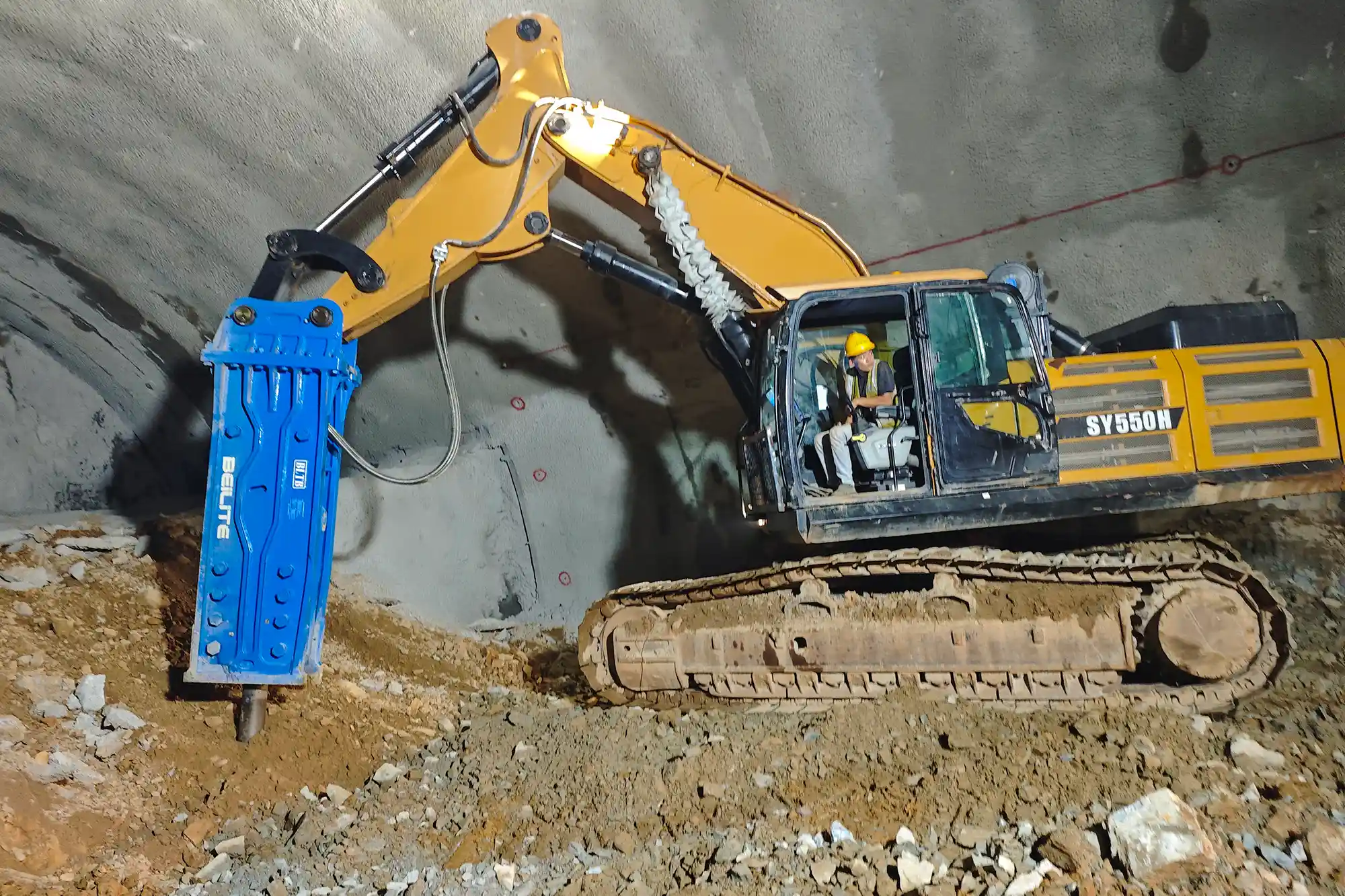
BEILITE Machinery Co., LTD., established in 2002, operates as a national high-tech enterprise specializing in high-end hydraulic breakers. The company has achieved breakthroughs in core technologies, participated in national standards formulation, and holds hundreds of patents. BLT and BLTB brand products reach over 100 countries, serving applications from Marteau brise-roche hydraulique pour les mines et les carrières à Marteau brise-roche hydraulique pour la démolition et le cassage de roches et Brise-roche hydraulique pour le génie municipal, les routes urbaines et les travaux d'utilité publique.
| Support Factor | Beilite Machinery | Generic Supplier |
|---|---|---|
| After-Sales Support | Excellent | Variable |
| Parts Availability | Global Network | Limitée |
| Technical Expertise | Haut | Modéré |
| Warranty Period | Comprehensive | Basic |
| National Standards | Compliant | Unspecified |
Frequently Asked Questions About Hydraulic Breaker ROI
What are the primary cost components affecting hydraulic breaker ROI?
The main cost drivers include initial purchase price, ongoing operational expenses like fuel and operator wages, and maintenance costs for parts and service. Downtime carries hidden costs that often exceed direct repair expenses—when a breaker sits idle, the entire excavator operation stalls. Tracking all these components reveals the true financial picture and identifies where efficiency improvements deliver the greatest returns.
How does a hydraulic breaker’s impact energy relate to its ROI?
Impact energy directly affects how quickly material breaks down, which determines productivity per operating hour. Higher consistent impact energy means faster project completion and better labor utilization. The relationship isn’t linear, though—matching impact energy to material hardness and carrier capacity matters. An oversized breaker wastes fuel and stresses the excavator, while an undersized unit struggles and wears out prematurely.
Can operator training significantly improve hydraulic breaker ROI?
Trained operators consistently outperform untrained ones in ways that compound over time. Proper technique reduces internal wear, correct greasing extends component life, and early problem recognition prevents small issues from becoming major repairs. The investment in training typically pays back within months through reduced maintenance costs and fewer unplanned breakdowns. Safety improvements add additional value by reducing incident-related expenses.
Optimize Your Project Profitability with Beilite Machinery
Ready to optimize your project profitability with a hydraulic breaker designed for superior ROI? Discover how Beilite Machinery Co., LTD’s high-end, innovative hydraulic breakers, backed by national standards and global service, can deliver unmatched performance and long-term asset value. Contact us today for a consultation tailored to your operational needs. Email: [email protected] | Phone: 40008-40008.