 Anglais
 Français
Hydraulic Breaker Rental Market: Strategic Insights for 2024
Heavy machinery decisions rarely come down to a single number. When I first started evaluating hydraulic breaker rental options for demolition projects, the spreadsheet looked straightforward—daily rate times days equals cost. Reality proved messier. The true economics involve equipment matching, maintenance windows, insurance gaps, and the hidden cost of downtime when something doesn’t fit right. This piece walks through the rental landscape for 2024, covering market conditions, cost factors, compatibility checks, and emerging trends that affect whether renting makes sense for your operation.
Current State of the Hydraulic Breaker Rental Market
The global hydraulic breaker rental market continues its steady climb, pushed along by infrastructure spending and construction activity across multiple regions. For 2024, the outlook points toward sustained expansion, though the pace varies by geography and project type. Equipment utilization rates remain elevated—a signal that many operations find renting more practical than ownership for their workload patterns.
The competitive field includes both large equipment rental corporations with national footprints and specialized local providers who know their regional markets intimately. Rental rates shift based on breaker size, contract duration, and location. A 40mm chisel unit in one metro area might run 30% less than the same model two states over, simply due to local supply and demand. This variability makes upfront research essential for accurate project budgeting.
The Financial Case for Hydraulic Breaker Rental
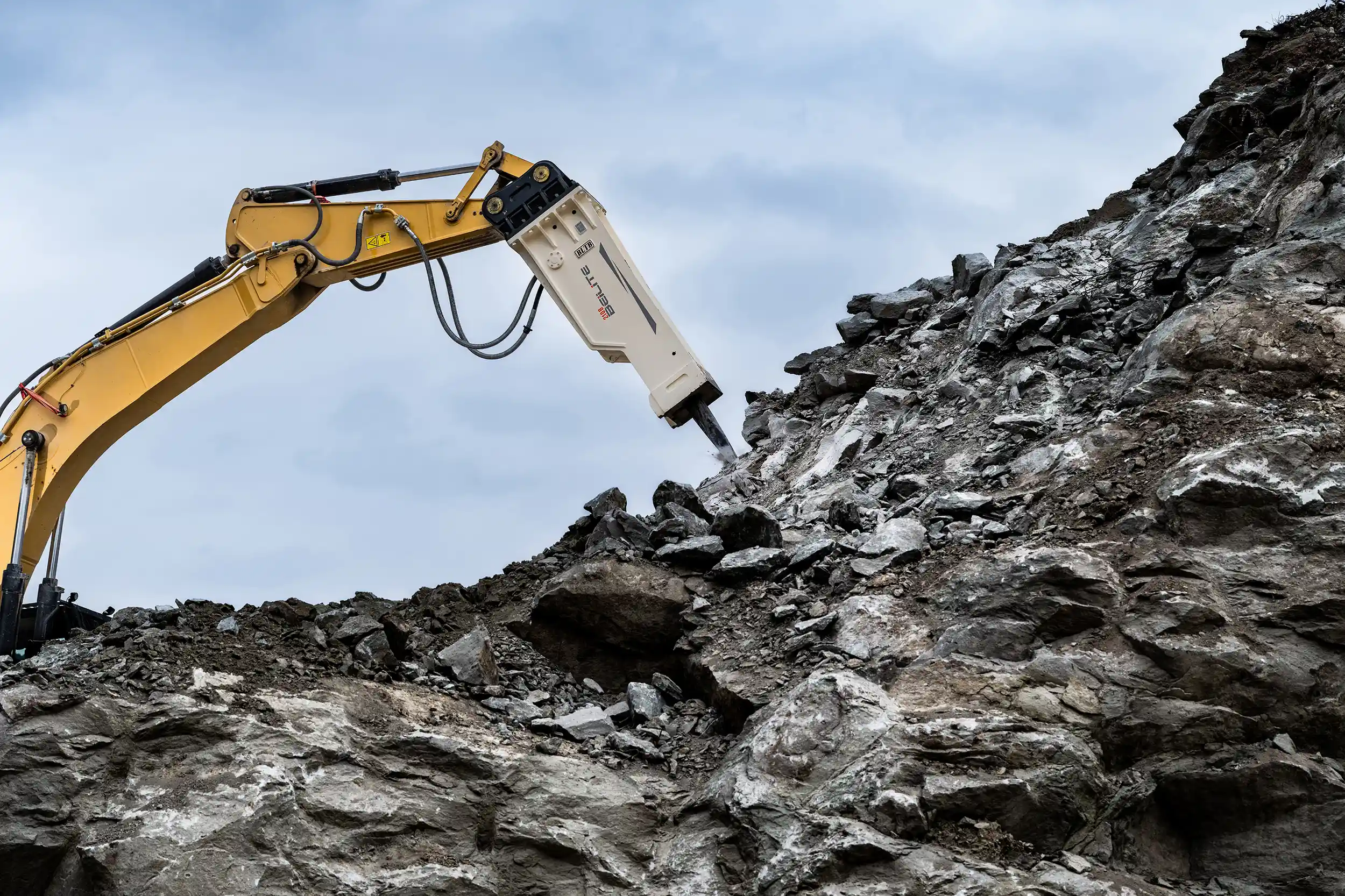
Choosing hydraulic breaker rental over outright purchase changes the financial structure of a project in ways that extend beyond the sticker price. The capital investment required to acquire heavy machinery ties up funds that could otherwise support labor, materials, or parallel operations. Rental sidesteps that constraint entirely.
Depreciation becomes someone else’s problem. Storage costs disappear from your overhead. Long-term maintenance obligations—the kind that accumulate quietly until a major repair lands on your desk—shift to the rental provider. This arrangement creates genuine financial flexibility, letting operations scale equipment access up or down based on actual project demands rather than permanent asset commitments.
There’s also the technology angle. Hydraulic breaker rental grants access to current-generation equipment without requiring continuous capital outlays for upgrades. When a manufacturer releases an improved model with better energy efficiency or reduced vibration, renters can simply request the newer unit on their next contract.
Typical Rental Period Options
Rental periods for hydraulic breakers accommodate a wide range of project timelines. Daily rental works for short-duration tasks—a weekend demolition job or a quick foundation removal. Weekly rental suits medium-term engagements where the work spans several days but doesn’t justify a monthly commitment. Monthly rental makes sense for extended projects where the breaker will see consistent use over weeks.
Long-term rental contracts, negotiated for sustained operational needs, often come with more favorable per-day rates. The flexibility here allows companies to match equipment availability precisely to their project schedule and budget constraints, rather than forcing the schedule to fit owned equipment availability.
What Drives Hydraulic Breaker Rental Costs
The base hydraulic hammer rental price covers the equipment itself for a specified period, but that number rarely tells the whole story. A complete rental agreement will itemize additional charges: delivery fees to get the unit on-site, fuel costs if the provider supplies it, and potential attachment rental for specialized chisels or mounting hardware.
Insurance coverage deserves careful attention. Some rental providers offer coverage as part of the package; others assume the renter carries an existing policy that extends to rented equipment. The gap between these assumptions can create significant financial exposure if something goes wrong.
Maintenance responsibilities need explicit documentation. Who handles routine greasing? What happens if a hydraulic line fails mid-project? A clear maintenance schedule prevents the kind of finger-pointing that leads to extended downtime and unexpected invoices.
Evaluating the total value proposition means weighing all these factors against project requirements. A slightly higher base rate from a provider who includes comprehensive maintenance support might deliver better overall value than the lowest quoted price with minimal service backing.
Equipment Selection, Maintenance, and Safety Practices
Effective fleet management for rental breakers starts with strategic equipment selection. The hydraulic breaker must be appropriately sized for the task at hand and compatible with the carrier machine. Undersized equipment struggles and wears prematurely; oversized equipment risks damaging the excavator’s hydraulic system or structural components.
Preventative maintenance, typically shared between renter and provider according to the contract terms, keeps equipment operational and minimizes unplanned downtime. Regular inspection of wear components—chisels, bushings, seals—catches problems before they cascade into major failures.
Operator training and safety protocols aren’t optional extras. Hydraulic breakers generate substantial forces and create hazardous conditions for anyone in the work zone. Comprehensive training ensures operators understand both the equipment’s capabilities and its limitations. Strict safety protocols protect personnel and equipment alike.
Confirming Excavator Compatibility
Excavator compatibility with a rented hydraulic breaker determines whether the combination will perform safely and effectively. The verification process involves several specific checks.
First, confirm that the excavator’s operating weight falls within the breaker’s specified range. A breaker designed for 4-6 ton machines won’t perform correctly on a 2-ton mini excavator, regardless of whether it physically mounts.
Second, compare the hydraulic flow and operating pressure requirements of the breaker against the excavator’s hydraulic system output. Insufficient flow starves the breaker; excessive pressure risks component damage.
Third, verify that attachment bracket and pin sizes match, or determine whether a quick coupler will bridge any dimensional differences. Physical fit matters as much as hydraulic compatibility.
Always cross-reference the breaker specifications against your excavator’s manual. Assumptions about “close enough” compatibility have ended projects early more than once.
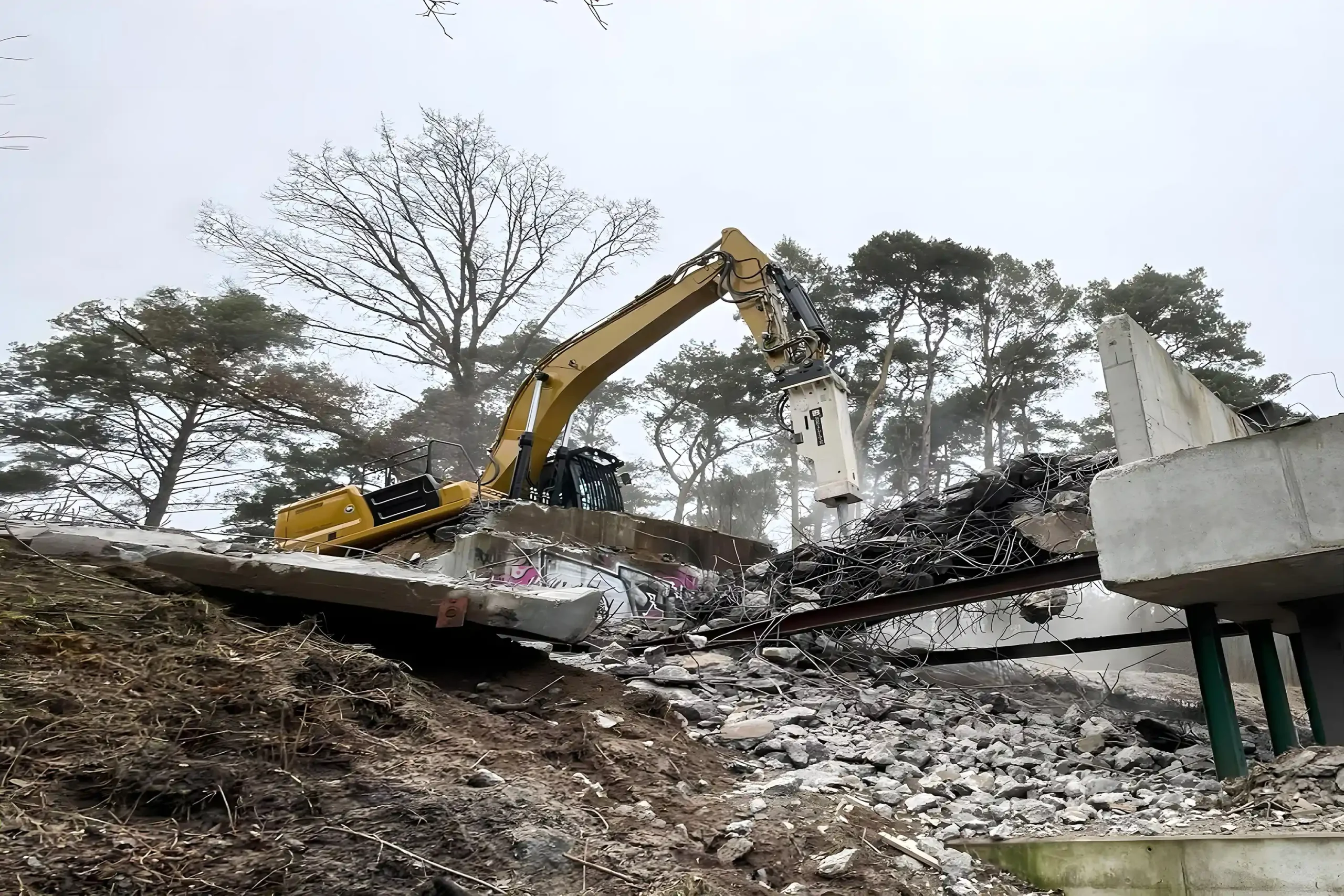
The following table illustrates compatibility parameters for several BEILITE hydraulic breaker models across different excavator weight classes:
| BEILITE Model | Applicable Excavator Weight (t) | Diamètre du ciseau (mm) | Débit d'huile de travail (L/min) |
|---|---|---|---|
| BLT-40 | 0.5-1.2 | 40 | 15-30 |
| BLT-45 | 0.8-1.5 | 45 | 20-40 |
| BLT-53 | 1.5-3.5 | 53 | 20-50 |
| BLT-60 | 3-5.5 | 60 | 30-60 |
| BLT-70 | 4.5-6 | 70 | 40-70 |
Insurance Requirements for Heavy Equipment Rental
Renting heavy equipment like hydraulic breakers requires attention to insurance coverage that many operations overlook until a claim arises. The first step is confirming whether your existing commercial general liability policy extends to rented equipment or whether specific rental insurance is necessary.
Key coverage areas include equipment damage protection against accidental harm to the breaker itself, liability coverage for third-party injuries or property damage that might result from operation, and theft protection for equipment stored on-site.
The rental agreement will specify insurance responsibilities and deductibles. Reading these terms carefully—before signing—prevents the unpleasant discovery of coverage gaps when you most need protection.
Emerging Trends in Hydraulic Breaker Rental
The hydraulic breaker rental industry is shifting in response to technological capabilities and changing customer expectations. Smart attachments featuring telematics for real-time monitoring of performance and location are gaining adoption. These systems provide data on operating hours, impact frequency, and maintenance needs—information that benefits both rental providers and customers.
Sustainable practices are influencing equipment development. Demand for energy-efficient hydraulic breakers continues to grow, and electric-powered options are entering the market for applications where they make operational sense.
Digital platforms for rental management are streamlining the booking and logistics process. Rather than phone calls and faxed agreements, integrated systems handle equipment selection, scheduling, and documentation electronically.
The direction points toward predictive maintenance capabilities and enhanced data analytics. Rental providers who can optimize equipment uptime through better monitoring will offer meaningful advantages to customers whose projects depend on reliable equipment availability.
Partner with BEILITE for Advanced Hydraulic Breaker Solutions
As a national high-tech enterprise established in 2002, BEILITE Machinery Co., Ltd. is at the forefront of high-end hydraulic breaker innovation. We hold hundreds of patents and participate in national standard formulation. Our BLT and BLTB brand products are trusted globally for their superior quality and performance across various working conditions, including mining, demolition, tunneling, underwater, and extreme environments. To learn how BEILITE’s advanced hydraulic breakers can enhance the reliability and efficiency of your rental fleet or project operations, contact our experts today for a consultation or partnership inquiry. Discover why we are a hydraulic breaker brand worthy of your trust. Email: [email protected] | Phone: 40008-40008
Frequently Asked Questions About Hydraulic Breaker Rental
What makes hydraulic breaker rental more practical than purchasing for certain operations?
Hydraulic breaker rental eliminates the capital outlay required for equipment purchase, which matters when cash flow needs to support multiple project demands simultaneously. Rental provides access to specific equipment sizes and types matched to each job, rather than forcing projects to work around whatever owned equipment happens to be available. Maintenance responsibilities, storage logistics, and depreciation concerns transfer to the rental provider. For operations with variable workloads or projects requiring specialized breaker configurations, the flexibility often outweighs any long-term cost advantage of ownership.
How should I match a hydraulic breaker to the material and project requirements?
Start with your excavator’s weight class and hydraulic output—these set the boundaries for compatible breaker sizes. Then consider the material you’re breaking. Hard rock demands higher impact energy and typically a blunt or moil point chisel. Concrete work often benefits from a chisel tip that concentrates force along a line. Project scale matters too: a breaker that’s technically capable but undersized for the volume of work will extend timelines and increase wear. Manufacturer specifications provide the technical parameters, but matching those parameters to actual site conditions requires judgment about the specific application.
What maintenance tasks fall to the renter during a hydraulic breaker rental period?
Renters typically handle daily operational checks: inspecting hydraulic hoses for damage or leaks, examining chisel condition and retention pin security, and verifying that mounting hardware remains tight. Proper greasing according to manufacturer intervals prevents premature wear on bushings and seals—this is often the single most important renter responsibility. Operating the equipment within specified parameters protects both the breaker and the carrier machine. When problems arise, prompt reporting to the rental company allows for timely intervention before minor issues become major failures.
Do rental companies provide training for hydraulic breaker operation?
Many rental providers offer basic operational guidance or access to training resources, including equipment manuals and safety documentation. Some provide on-site orientation when delivering equipment. That said, the primary responsibility for operator competence rests with the renting organization. All operators should be experienced with hydraulic breaker operation and understand both the equipment’s capabilities and the site-specific hazards they’ll encounter. Safety protocols—appropriate PPE, exclusion zones, communication procedures—remain the project team’s responsibility regardless of what training the rental company provides.
When does a long-term rental contract make more financial sense than short-term arrangements?
Long-term rental contracts typically offer lower per-day rates, making them cost-effective when a project will use the equipment consistently over an extended period. They may also include more comprehensive maintenance support, reducing the renter’s operational burden. Short-term rentals carry higher daily rates but provide maximum flexibility for brief tasks or uncertain timelines. The decision depends on project duration, budget structure, and whether the work pattern justifies committing to a longer contract. For projects lasting several months with steady breaker utilization, long-term arrangements usually deliver better economics.