 Anglais
 Français
Hydraulic Breaker for Tractor: Maximize Job Site Efficiency
Hydraulic Breaker for Tractor: Practical Integration and Selection
When you bolt a hydraulic breaker onto a tractor, the machine stops being just a tractor. It becomes something closer to a compact demolition rig that can still pull a trailer home at the end of the day. I’ve watched operators hesitate before that first trigger pull, unsure whether their 80-horsepower utility tractor can really drive a breaker hard enough to split bedrock. It can. The integration works because modern breakers are designed around the hydraulic output that tractors already produce for loaders and backhoes. BEILITE Machinery Co., LTD., operating as a national high-tech enterprise since 2002, builds the BLT and BLTB series specifically for this kind of cross-application use, where agricultural machinery meets demolition equipment without compromise.
Why a Hydraulic Breaker for Tractor Makes Economic Sense
Tractors already sit on most farms and many construction yards. Adding a hydraulic breaker for tractor applications means that same machine handles rock breaking during land development, concrete demolition for old foundations, and land clearing where stumps meet stone. The math favors this approach. Instead of renting a dedicated excavator with a breaker for a two-week job, the tractor attachment stays on-site permanently, ready whenever conditions demand it.
The practical applications run deeper than the obvious ones. Post-hole digging through rocky soil becomes possible without calling in specialty equipment. Small-scale quarrying operations can run off the same tractor that hauls material to the staging area. Agricultural machinery gains a second life in construction contexts, and construction machinery picks up agricultural applications when the season shifts.
This tractor versatility directly affects project timelines. Operators switch between standard bucket work and high-impact breaking without leaving the cab for a different machine. Labor requirements drop because one person runs one machine through multiple task types. Heavy-duty applications that once required subcontractors become in-house capabilities. The site efficiency gains compound over time, especially for operations that face unpredictable ground conditions.
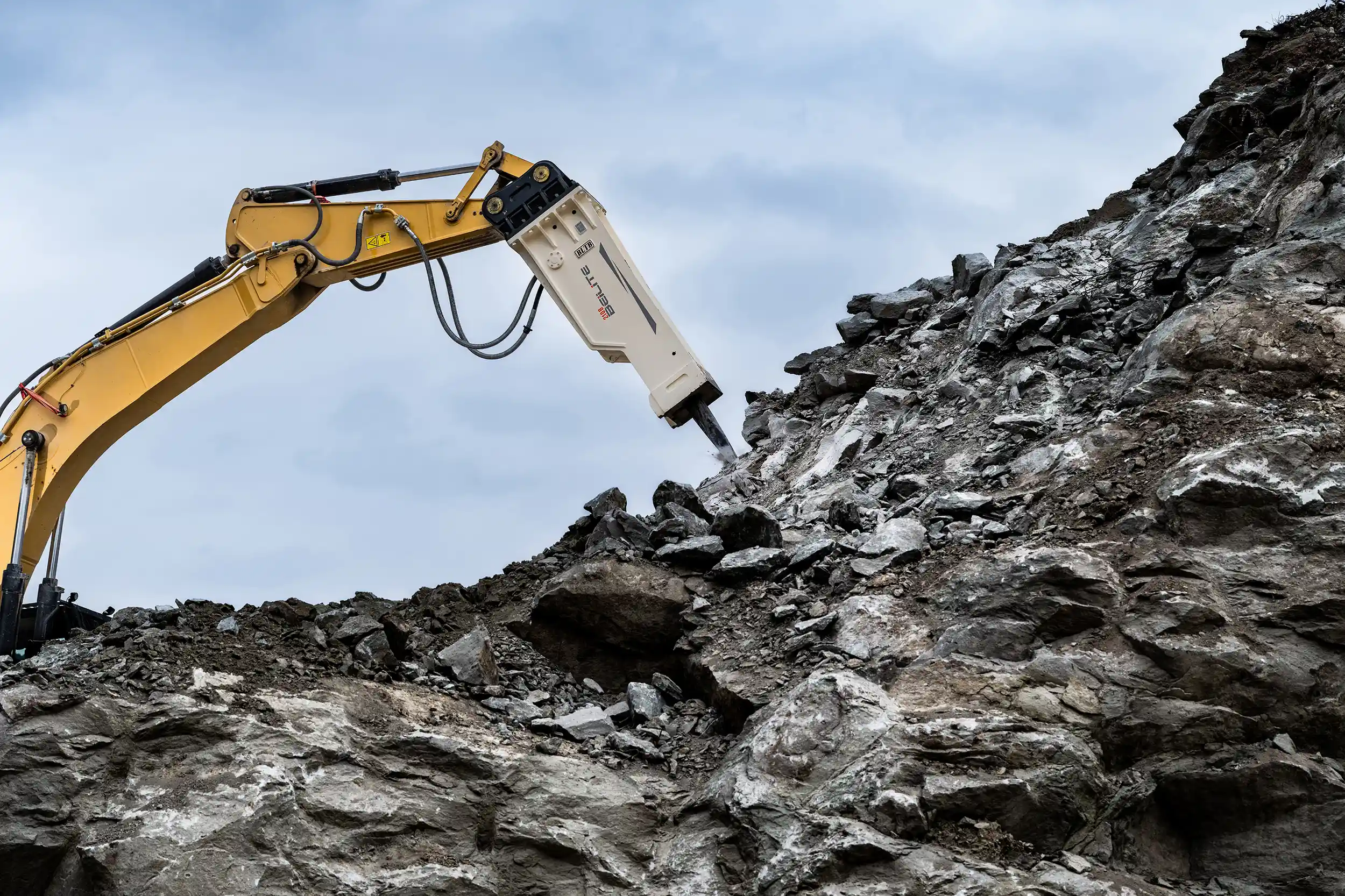
Matching Hydraulic Breaker Specifications to Your Tractor
Selecting a hydraulic breaker for tractor use requires matching numbers, not guessing. The tractor’s auxiliary hydraulics produce a specific flow rate measured in GPM (gallons per minute) and operating pressure measured in PSI (pounds per square inch). These two values determine which breakers will perform correctly and which will either starve for flow or overwhelm the system.
A breaker undersized for the tractor’s output wastes available power. A breaker oversized for the hydraulic system creates back-pressure problems, generates excessive heat, and accelerates wear on pumps and seals. Neither situation ends well. The hydraulic system requirements listed in breaker specifications exist for exactly this reason.
Tractor compatibility varies significantly across models. A compact utility tractor might deliver 8-12 GPM at 2,500 PSI through its auxiliary ports. A larger agricultural tractor could push 20+ GPM at 3,000 PSI. These differences determine whether you’re looking at a 200-pound breaker or an 800-pound unit. Backhoe breaker applications add another variable, since the mounting position and arm geometry affect how impact energy transfers to the material.
The BLTB brand covers this range specifically because one size never fits all tractors. Relief valve settings on the tractor side sometimes need adjustment to match breaker requirements. Our technical team walks customers through these hydraulic flow rate and operating pressure calculations before purchase, preventing the expensive lesson of discovering a mismatch after installation.
Chisel Selection Determines Breaking Efficiency
The breaker body delivers impact energy. The chisel determines where that energy goes and how effectively it fractures material. Different chisel types exist because materials behave differently under stress.
A moil point chisel concentrates force into the smallest possible contact area. This geometry penetrates concrete and rock efficiently, creating fracture lines that propagate outward from the impact point. For general demolition work, the moil point handles most situations.
A wedge chisel spreads impact force along a linear edge. This design excels at splitting rock or concrete into manageable pieces rather than pulverizing material. Operators working in quarrying applications or breaking large slabs for removal often prefer wedge geometry.
Blunt tools serve compaction and softer material applications where penetration isn’t the goal. Asphalt cutting requires specialized profiles that score rather than shatter. Trenching tools create defined edges for utility installation.
Selecting the right tool before starting work prevents the frustration of fighting material with the wrong geometry. It also reduces wear on both the chisel and the breaker’s internal components.
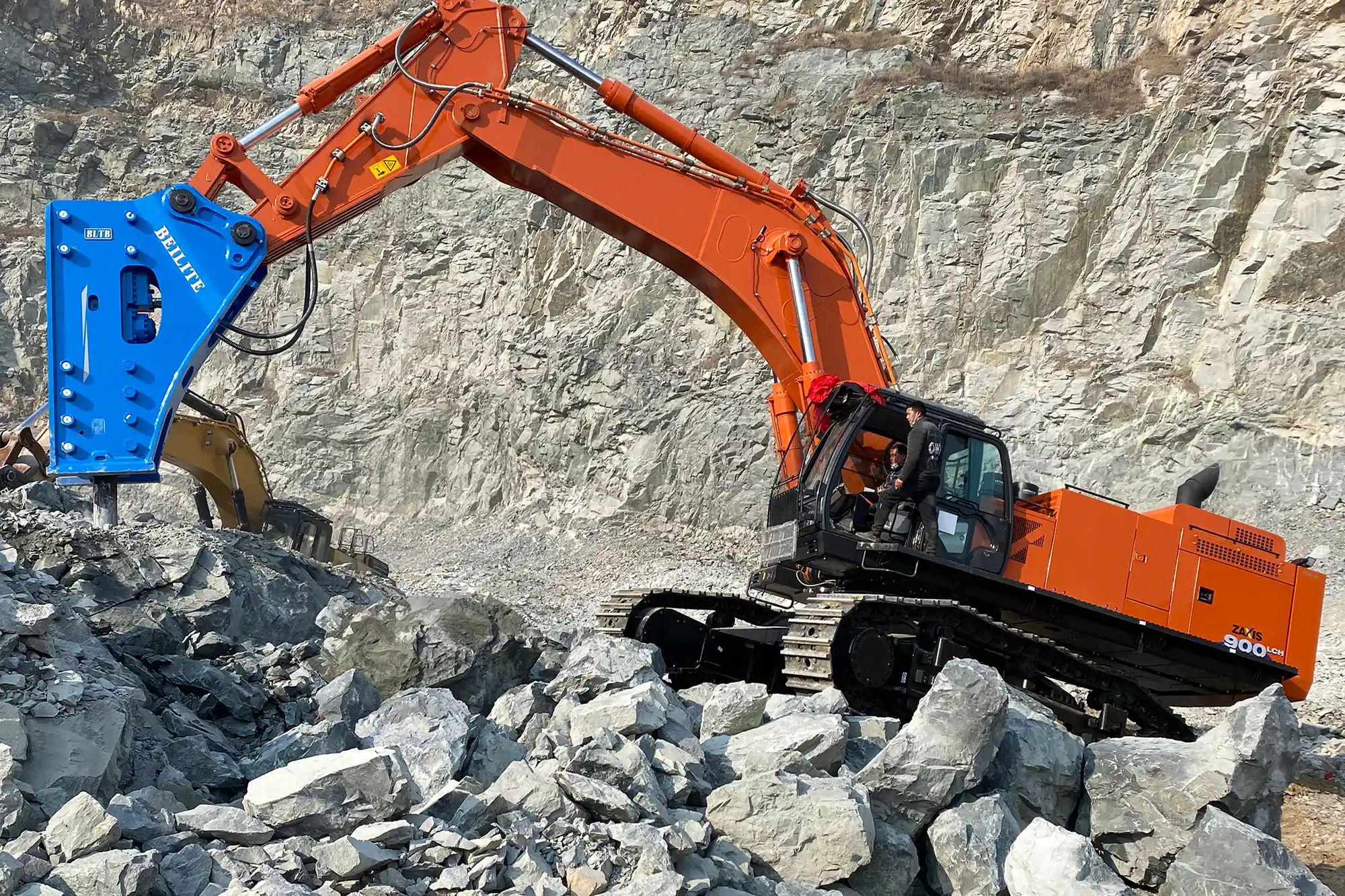
Performance Features That Separate Modern Breakers
High-performance hydraulic breakers built in the last decade incorporate technologies that older designs lack entirely. These features affect daily operation, not just specification sheets.
Energy recovery systems capture the piston’s rebound energy and redirect it into the next strike. This isn’t marketing language. The mechanism genuinely increases impact energy per hydraulic input, which means the tractor’s engine works less hard for the same breaking output. Fuel consumption drops measurably on long demolition days.
Anti-blank firing technology protects the breaker when operators strike without material contact. This happens more often than anyone admits, especially when breaking through irregular rock formations where the chisel suddenly punches through into void space. Without protection, blank firing sends shock loads through internal components that weren’t designed to absorb them. The resulting damage accumulates until something fails.
Noise reduction features and dust suppression systems matter for job sites near occupied buildings or in regulated areas. Vibration dampening protects both the tractor’s structure and the operator over extended use. These aren’t luxury additions. They’re practical engineering responses to real operational problems.
BEILITE’s position as a national high-tech enterprise reflects this engineering focus. Hundreds of patents cover the specific mechanisms that make these features work reliably across the BLT series. Participation in formulating China’s national standards for hydraulic breakers means the specifications we publish match the performance we deliver.
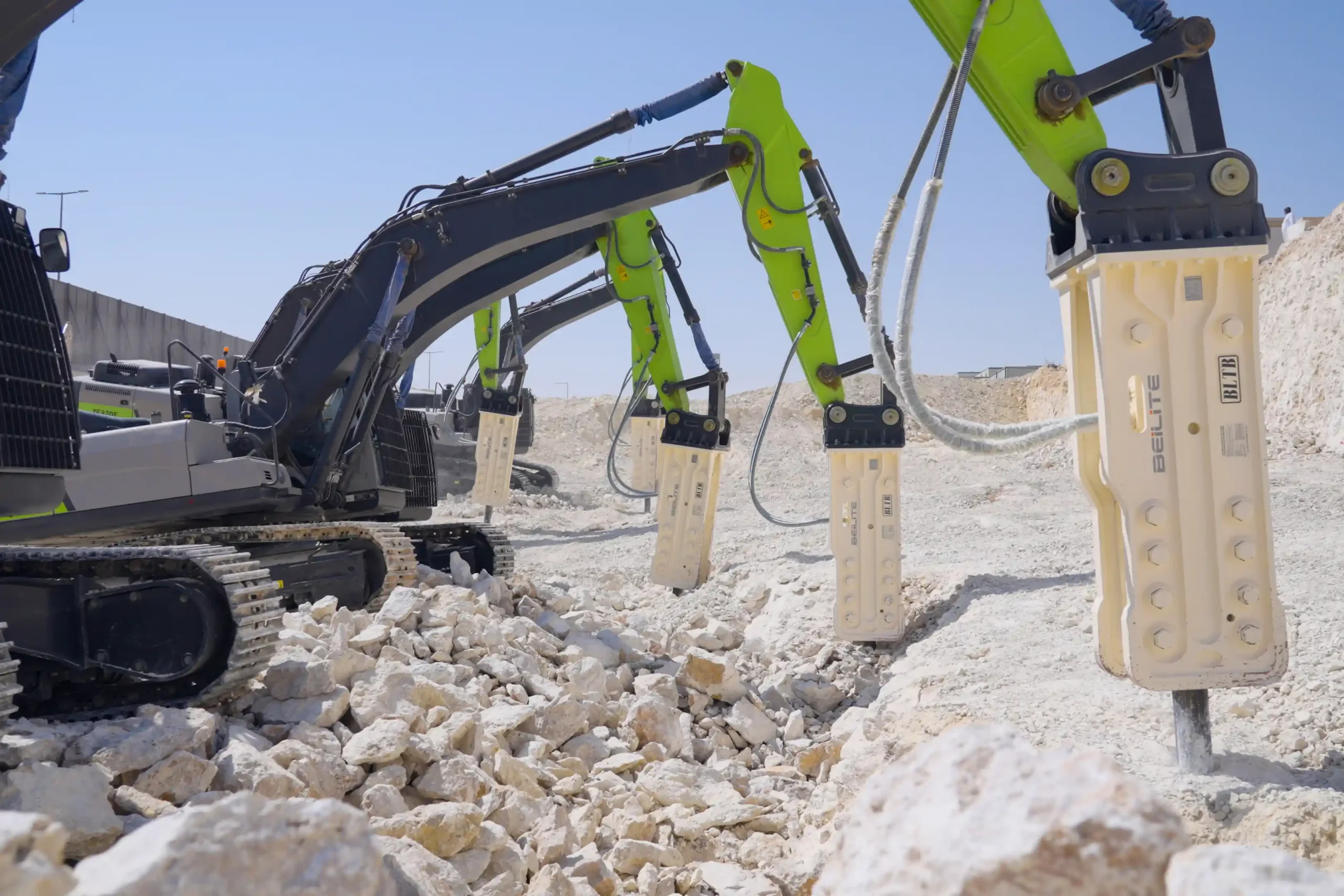
Installation Process and Operational Safety
Hydraulic breaker installation follows a logical sequence that shouldn’t be rushed. The mounting bracket attaches to the tractor’s quick hitch system or three-point linkage first. This connection carries all impact reaction forces, so torque specifications matter. Under-tightened fasteners work loose. Over-tightened fasteners stress mounting points beyond design limits.
Hydraulic hoses connect to the tractor’s auxiliary ports next. Each connection point represents a potential leak and a potential failure point under pressure. Proper seating and secure fittings prevent both. The attachment points should show no excessive play once everything is connected.
Safety procedures begin before the first trigger pull. Pre-operation inspection covers hydraulic fluid levels, hose condition, and fastener security. Operator training isn’t optional for this equipment. The forces involved can cause serious injury if operators don’t understand safe operating distances, proper material engagement, and emergency procedures.
During tractor breaker operation, maintaining constant pressure on the material prevents blank firing. Lifting the chisel while the breaker cycles creates exactly the internal stress that anti-blank firing technology exists to prevent. Even with that protection, the practice should be avoided.
Daily checks cover chisel condition, hose wear, and lubrication points. Proper lubrication of the tool bush and retainer pins reduces friction and wear at the components that see the most stress. These checks take minutes and prevent failures that cost hours or days.
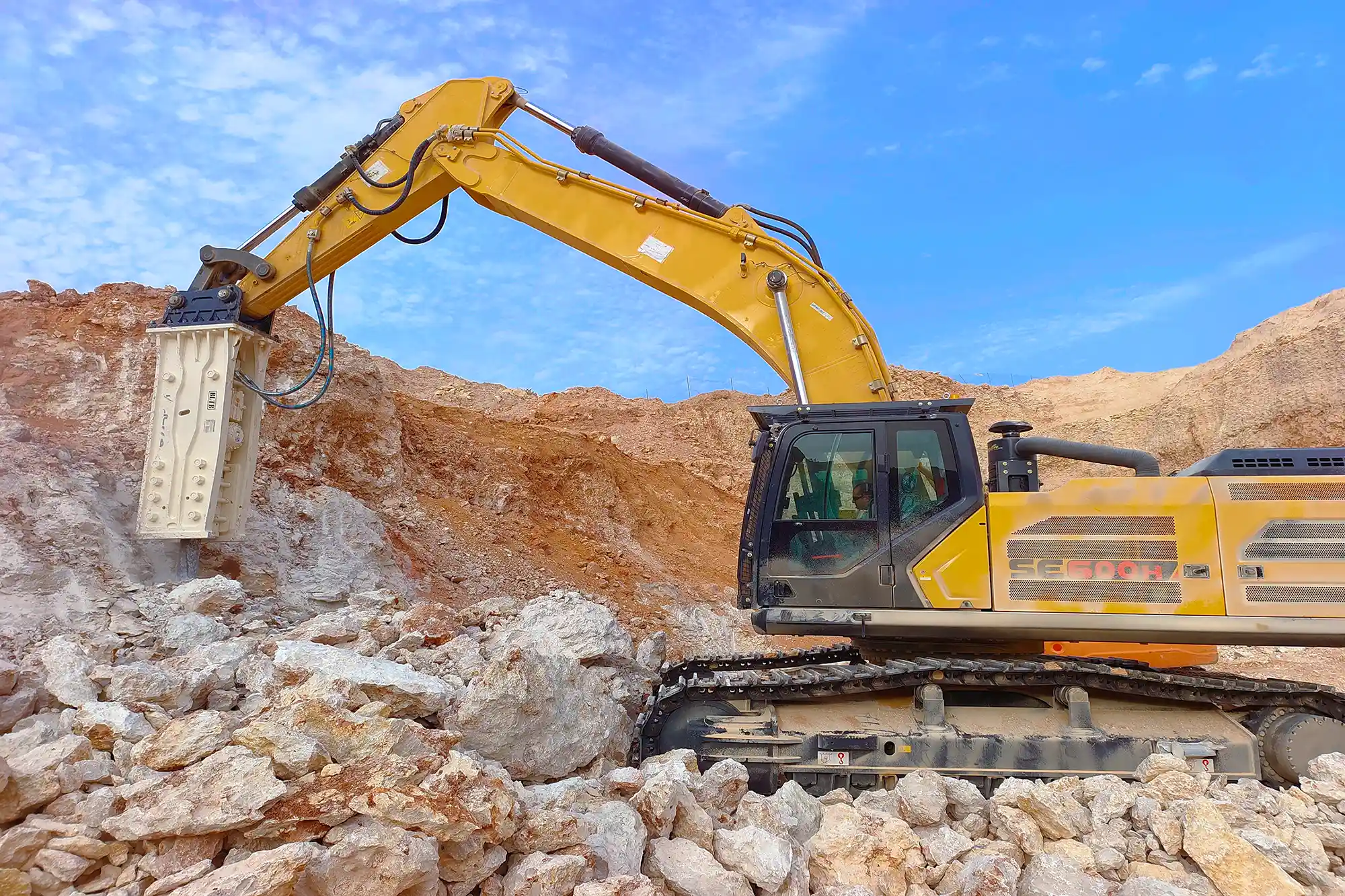
Maintenance Strategies That Extend Service Life
Preventive maintenance determines whether a hydraulic breaker for tractor use lasts five years or fifteen. The difference isn’t luck. It’s attention to the components that wear gradually before they fail suddenly.
Hydraulic fluid quality degrades over time. Contamination from wear particles, water intrusion, and thermal breakdown all reduce the fluid’s ability to transmit power and lubricate moving parts. Regular fluid analysis catches problems before they cascade into component damage.
Seal kits require periodic replacement regardless of whether leaks have appeared. The elastomers in hydraulic seals harden and lose flexibility with age and heat cycling. Replacing seals on a schedule prevents the oil leaks that signal seals have already failed.
Wear parts like the tool bush and retainer pins experience direct mechanical stress with every strike. Inspection reveals wear patterns before clearances become excessive. Replacing these components when wear reaches service limits prevents damage to the more expensive parts they protect.
Nitrogen pressure in accumulators (where applicable) affects impact characteristics directly. Low pressure reduces impact energy and changes the breaker’s operating feel. Checking and adjusting nitrogen pressure belongs on the regular maintenance schedule.
Common breaker issues often trace to these maintenance items. Reduced impact power usually indicates low nitrogen pressure or hydraulic system problems rather than internal breaker damage. Oil leaks point to worn seals. A troubleshooting guide that starts with these common causes saves diagnostic time.
BEILITE’s service network and warranty support provide access to genuine spare parts and technical assistance. Using correct replacement components maintains the engineering tolerances that keep breakers performing to specification. The repair tips we provide come from actual field experience across installations in over 100 countries.
Frequently Asked Questions About Tractor Hydraulic Breakers
What size hydraulic breaker fits my specific tractor model?
Breaker sizing depends on three tractor specifications: operating weight, hydraulic flow rate in GPM, and system pressure in PSI. Compact tractors under 50 horsepower typically match with breakers in the 150-300 pound range. Larger agricultural tractors with robust auxiliary hydraulics can drive breakers exceeding 500 pounds. The limiting factor is usually hydraulic flow rather than tractor weight. Check your tractor’s auxiliary hydraulic output specifications, then match those numbers to breaker requirements. Mismatches in either direction create problems.
Can I install a hydraulic breaker on my tractor without professional help?
Installation is mechanically straightforward for operators comfortable with hydraulic connections and mounting hardware. The process involves securing the mounting bracket, connecting hydraulic lines to auxiliary ports, and verifying all fasteners meet torque specifications. However, the consequences of improper installation include hydraulic leaks, mounting failures under load, and potential injury. If you haven’t worked with hydraulic systems before, professional installation ensures the job is done correctly. Either way, both tractor and breaker manuals should be consulted for model-specific requirements.
How do I prevent the most common hydraulic breaker failures?
Three practices prevent most failures. First, never operate the breaker without material contact. Blank firing creates internal shock loads that accumulate into component damage. Second, maintain proper lubrication on the tool bush and chisel retention system. These components see direct mechanical stress with every strike. Third, follow the preventive maintenance schedule for hydraulic fluid, seals, and nitrogen pressure. Most “sudden” failures actually develop gradually through neglected maintenance. Operators who perform daily checks and follow service intervals rarely experience unexpected downtime.
Work With BEILITE for Your Hydraulic Breaker Requirements
BEILITE Machinery Co., Ltd. has manufactured hydraulic breakers since 2002, building a presence across more than 100 countries through equipment that performs as specified. The BLT and BLTB series cover the range from compact tractor applications to heavy construction use. Reach us at [email protected] or call 40008-40008 to discuss which breaker matches your tractor’s hydraulic output and your operational requirements.