 Anglais
 Français
Hydraulic Breaker for Tractor Loaders: Choose for Peak Performance
Matching a hydraulic breaker to a tractor loader sounds straightforward until you actually try it. The spec sheets give you numbers, but they rarely tell you what happens when those numbers don’t quite line up — or when the job site throws something unexpected at you. After working through enough mismatched setups and watching operators struggle with undersized breakers that couldn’t crack stubborn limestone, the selection process starts to feel less like shopping and more like engineering a relationship between two machines that have to work together under pressure.
How Hydraulic Breakers Actually Work With Tractor Loaders
A hydraulic breaker converts the hydraulic power from your tractor loader into percussive force, driving a chisel tool with repeated high-energy impacts. The mechanics are simple in principle but demanding in execution. The breaker draws from the loader’s auxiliary hydraulics circuit, which means it needs specific flow rates and operating pressures that your host machine can actually deliver.
Getting this integration right involves more than bolting things together. The mounting brackets have to match, the quick couplers need to seal properly, and the hydraulic lines must handle the pressure without restriction. These demolition tools handle everything from rock breaking to concrete breaking, but they depend entirely on a hydraulic power unit that can keep up with their demands. When the match is wrong, you feel it immediately — weak strikes, overheating, or worse.

Selecting the Right Hydraulic Breaker for Your Tractor Loader
Choosing a hydraulic breaker for your tractor loader requires looking at several factors that interact with each other. Breaker sizing matters more than most people realize. An undersized unit wastes time and fuel. An oversized one can damage your loader’s boom or burn out the hydraulic pump.
Start with impact energy and operating pressure, then check whether your tractor loader’s hydraulic flow rate can actually support those requirements. The chisel diameter should match what you’re breaking — a mismatch here means inefficient fracturing and excessive wear. Mounting bracket compatibility and quick coupler systems determine how smoothly you can attach and detach the breaker between tasks.
Modern hydraulic breakers often include noise suppression and vibration reduction features. These aren’t just comfort upgrades. Reduced vibration means less fatigue on both the operator and the machine’s structural components over long shifts. Always cross-reference your tractor loader specifications, particularly machine weight and engine power, before committing to a breaker model.
Determining the Right Size Hydraulic Breaker
The optimum breaker size depends on matching weight and hydraulic flow requirements to your tractor loader operating weight and hydraulic system capacity. The relationship is more precise than it might seem. A 1.5-ton tractor loader typically pairs well with a breaker weighing around 180 kg, requiring a working oil flow between 20-50 L/min. This balance prevents premature wear on both the breaker and the loader’s hydraulic pump.
| Modèle | Poids total (kg) | Diamètre du ciseau (mm) | Débit d'huile de travail (L/min) | Excavateur applicable (t) |
|---|---|---|---|---|
| BLT-40 | 86 | 40 | 15-30 | 0.5-1.2 |
| BLT-45 | 137 | 45 | 20-40 | 0.8-1.5 |
| BLT-53 | 180 | 53 | 20-50 | 1.5-3.5 |
| BLT-60 | 263 | 60 | 30-60 | 3-5.5 |
| BLT-70 | 362 | 70 | 40-70 | 4.5-6 |
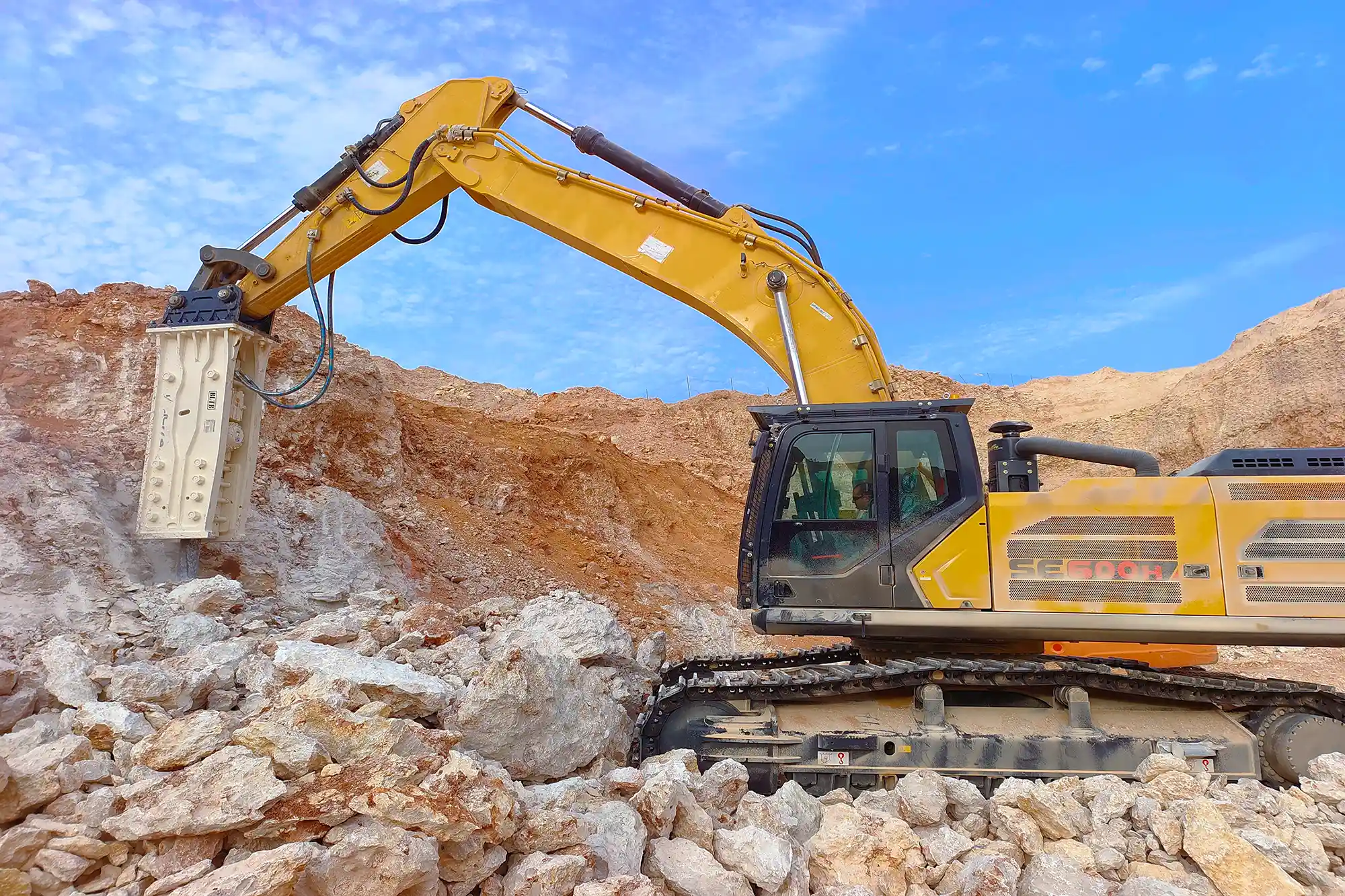
Getting Peak Performance and Maintaining Safety on Site
Performance optimization extends well beyond picking the right hydraulic breaker. How operators use the equipment determines whether you get efficient material fracture or excessive wear and wasted cycles.
Operator training on breaking force application and cycle time optimization makes a measurable difference. Applying too much downward pressure doesn’t increase breaking power — it just accelerates chisel wear and stresses the loader’s boom. Selecting appropriate chisel types for specific materials improves efficiency significantly. A moil point works differently than a blunt tool, and using the wrong one on reinforced concrete versus natural rock changes your results.
Site assessment before starting helps identify natural fracture lines and optimal breaking points. This reduces idle time and prevents operators from hammering away at spots where the material simply won’t give. Safety protocols remain non-negotiable: mandatory PPE, clear exclusion zones, and awareness of underground utilities. Features like noise reduction and vibration damping contribute to operator comfort, which translates to better focus and fewer mistakes over long shifts.
Maintenance Practices That Extend Hydraulic Breaker Life
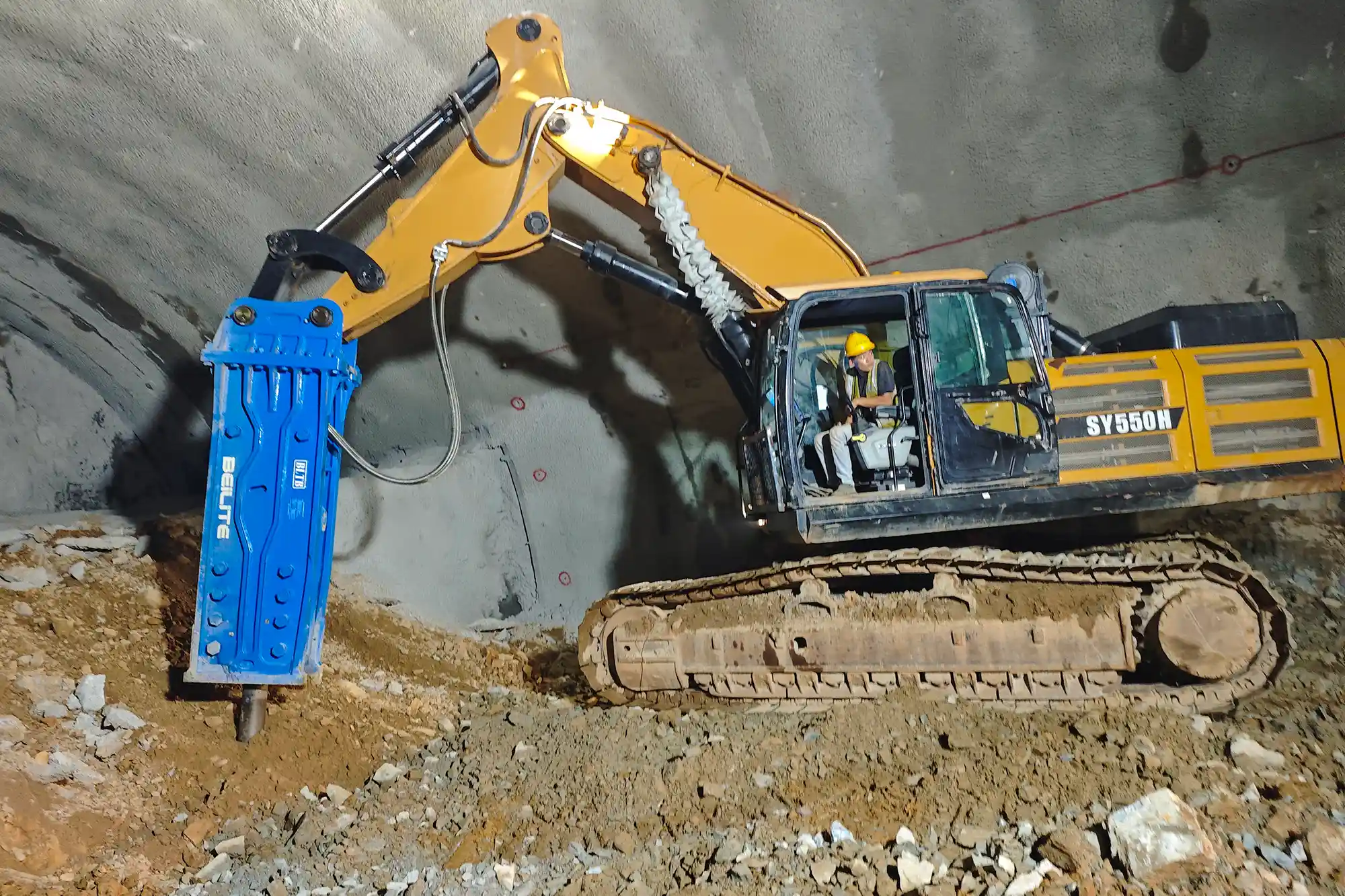
A diligent maintenance regimen determines whether your hydraulic breaker lasts for years or becomes a recurring expense. The basics matter more than any single repair.
Daily greasing keeps critical wear parts lubricated and prevents metal-on-metal contact that accelerates damage. Routine inspection of seal kits, hoses, and the chisel tool catches problems before they escalate into expensive failures. When wear parts need replacement, using genuine spare parts maintains the tolerances the breaker was designed around. Aftermarket alternatives sometimes fit, but they rarely perform identically under sustained use.
Manufacturer-recommended service intervals exist for a reason. Following them, along with implementing preventive maintenance strategies, extends the lifespan of your investment and keeps operational costs predictable. A troubleshooting guide helps diagnose common problems quickly — knowing whether you’re dealing with a hydraulic issue or a mechanical one saves diagnostic time.
Installing a Hydraulic Breaker on a Tractor Loader
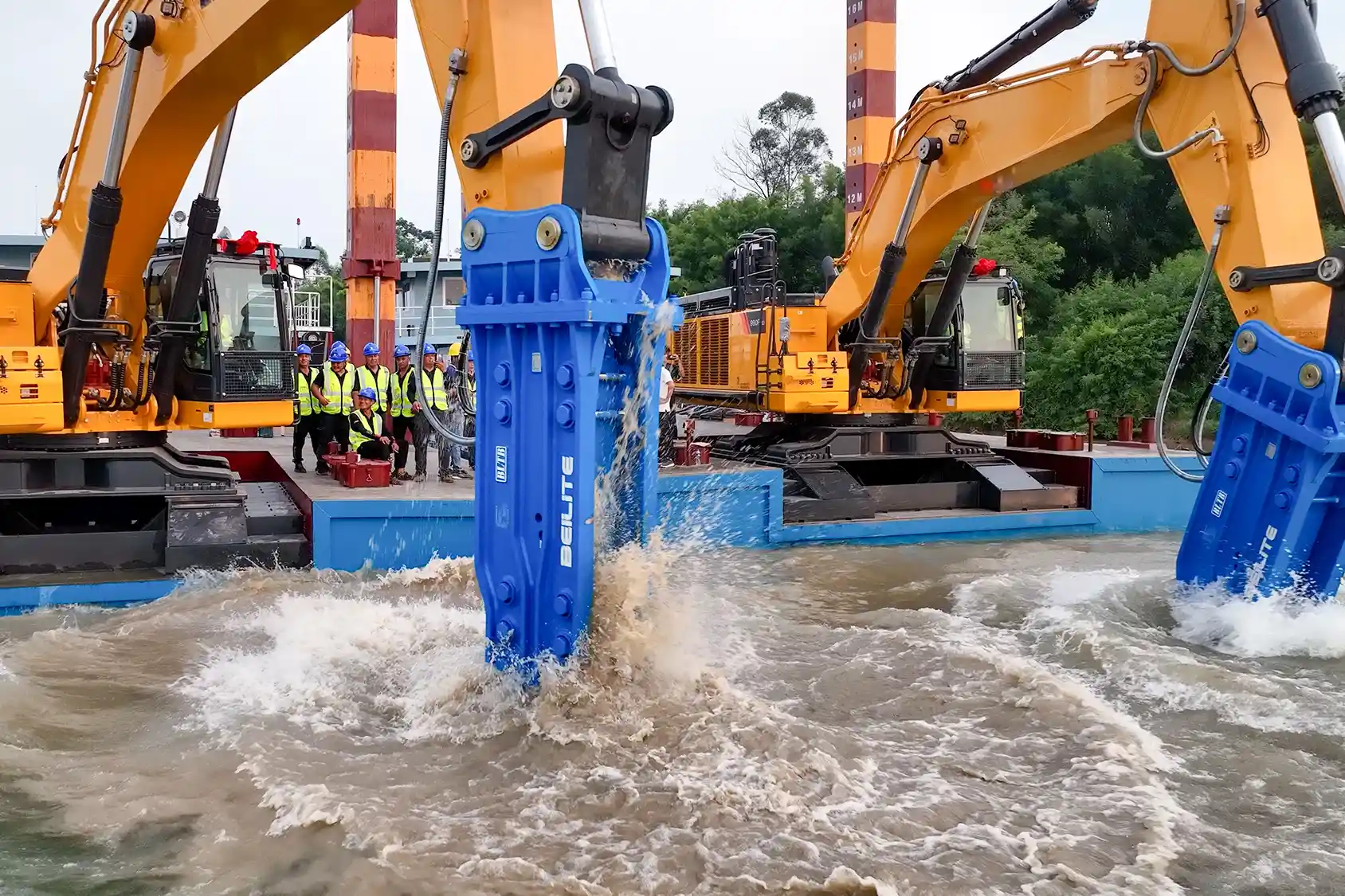
Installation requires attention to sequence and safety. Position the tractor loader on level ground and shut off the engine before starting. Secure the mounting kit to the breaker first, then align it with the quick attach system on the loader’s arm.
Connect the hydraulic hose connection lines carefully. Twisted or improperly seated hoses create restrictions that reduce performance and can cause overheating. Verify the auxiliary hydraulic setup matches the breaker’s requirements. Secure all pins and perform safety checks before starting the machine. Skipping these steps invites problems that show up mid-job.
Troubleshooting Common Hydraulic Breaker Problems
Low impact force usually points to insufficient hydraulic flow or pressure. Check the loader’s hydraulic system diagnostics first, then verify accumulator nitrogen pressure — a depleted accumulator reduces strike energy noticeably.
No impact at all often stems from a blocked hydraulic line or a faulty valve. Trace the hydraulic path systematically rather than guessing. Oil leakage typically indicates worn seal kits, which require replacement rather than temporary fixes. Excessive chisel wear may result from improper operating techniques, particularly excessive downward pressure, or using incorrect chisel types for the material. Regular preventive maintenance and prompt attention to these issues minimize downtime.
The Value of Investing in Quality Equipment
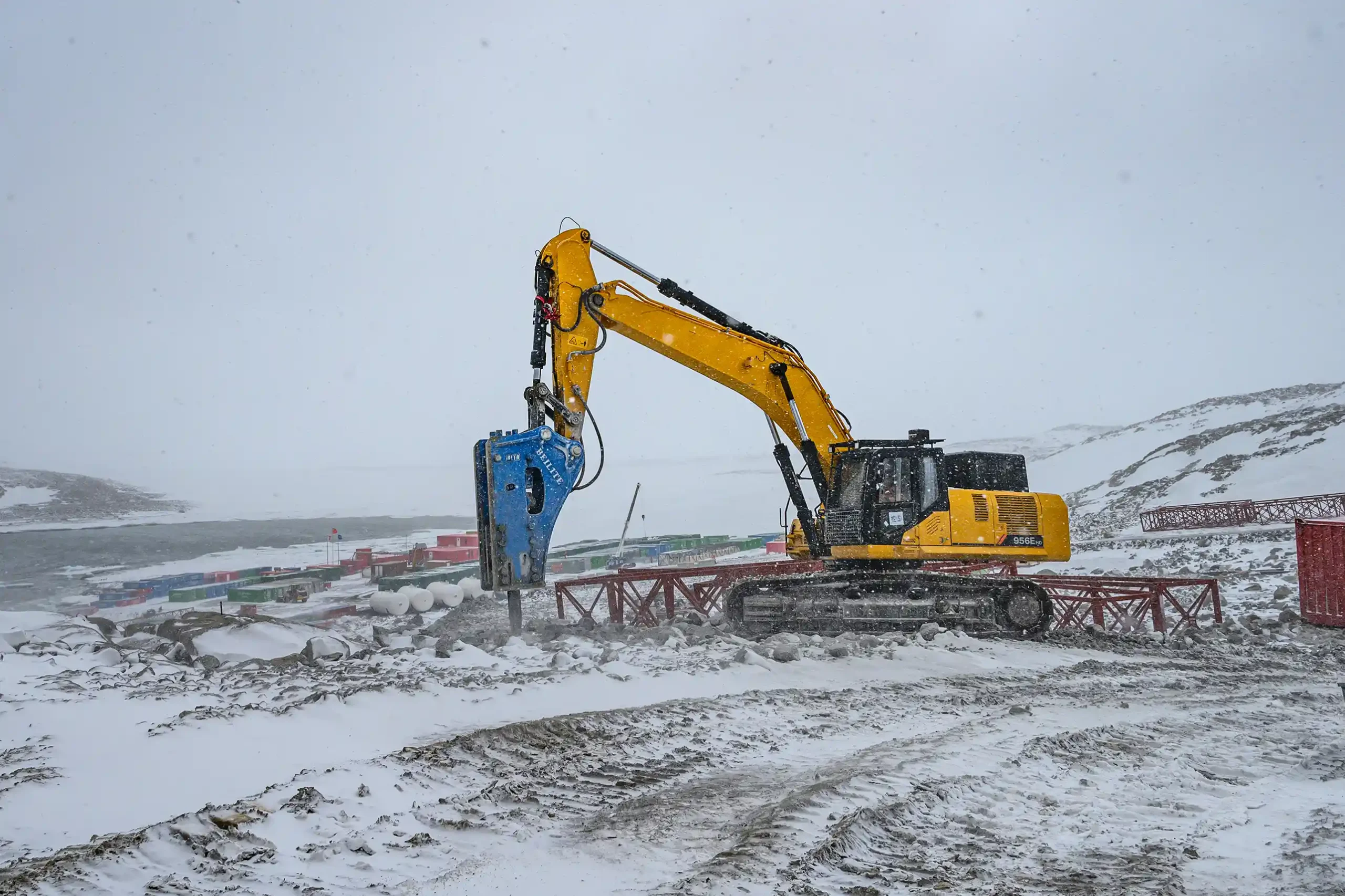
A high-quality hydraulic breaker from a trusted manufacturer delivers benefits that compound over time. Superior materials and engineering mean the breaker handles extreme working conditions without premature failure. BEILITE Machinery, a national high-tech enterprise, participates in formulating national standards for hydraulic breakers — a level of involvement that reflects genuine technical expertise.
BLT brand and BLTB brand products serve customers globally, earning trust through consistent quality and reliable after-sales support. This translates into higher return on investment, reduced downtime, and enhanced operational safety. The initial cost difference between a quality breaker and a budget alternative often disappears within the first year when you factor in repairs, replacement parts, and lost productivity.
Contact BEILITE Machinery Today
BEILITE Machinery Co., LTD offers a comprehensive range of BLT and BLTB hydraulic breakers engineered for demanding applications. With decades of innovation and adherence to national standards, we provide expert consultation to match the right hydraulic breaker to your tractor loader. Reach us at 40008-40008 or [email protected].
Questions fréquemment posées sur les marteaux hydrauliques
How often should a hydraulic breaker be serviced?
Service intervals depend on usage intensity and operating conditions. Daily greasing, weekly inspections, and major service every 200-300 operating hours represent typical recommendations for maintaining optimal performance. Heavy-duty applications or abrasive environments may require more frequent attention. Adhering to these schedules prevents premature wear and keeps the hydraulic breaker operating efficiently.
Can any tractor loader be fitted with a hydraulic breaker?
Most tractor loaders can accommodate a hydraulic breaker, but successful integration requires careful matching. The breaker’s weight, hydraulic flow requirements, and operating pressure must align with the tractor loader’s specifications. Mismatches cause problems ranging from poor performance to actual damage. Consulting with equipment specialists ensures proper compatibility before purchase.
What are the main benefits of using a hydraulic breaker over other demolition methods?
Hydraulic breakers provide precision, efficiency, and controlled power for breaking hard materials like rock and concrete. Compared to manual methods, they reduce labor costs and accelerate project timelines. Compared to blasting, they offer better control and minimize collateral damage to surrounding structures. The controlled impact makes them suitable for work near existing infrastructure where other methods would be too destructive.