 Anglais
 Français
Forestry Hydraulic Breakers Boost Land Clearing Efficiency
Hydraulic breakers have become one of those tools that quietly reshape how forestry crews approach difficult ground. When a site is littered with embedded boulders or stubborn root systems, the difference between a smooth project timeline and weeks of frustrating delays often comes down to having the right percussion power on hand. These attachments convert hydraulic energy into controlled, repeatable impact force—enough to fracture rock, break apart compacted earth, and reduce stumps to manageable debris. For anyone managing land clearing operations, understanding what these machines can actually deliver matters more than any spec sheet.
How Hydraulic Breakers Function in Forest Clearing Work
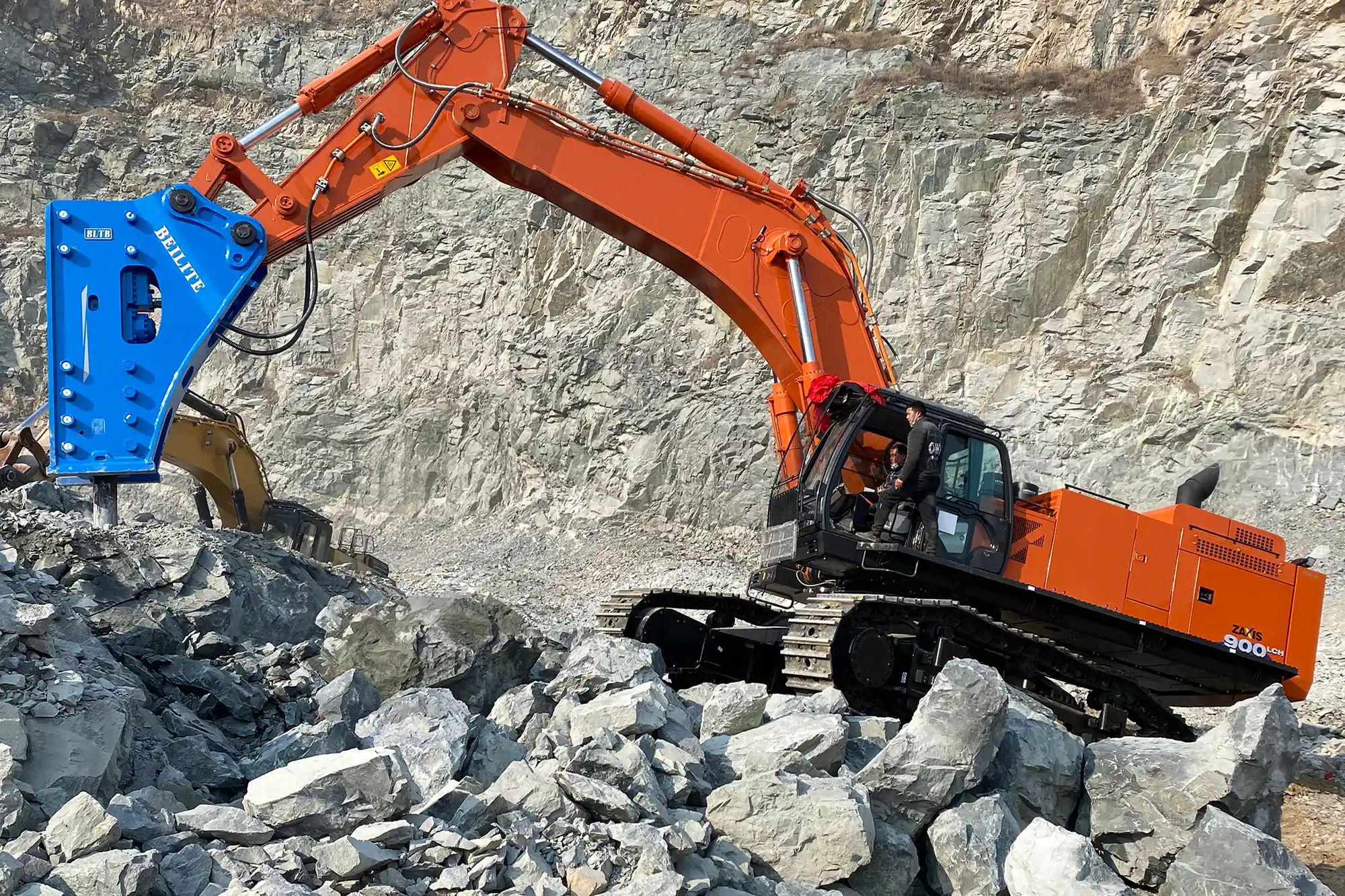
A hydraulic breaker operates as a percussion hammer mounted to an excavator or similar carrier machine. The mechanism is straightforward in principle: hydraulic pressure drives a piston that strikes a chisel tool, transferring concentrated impact energy into whatever material sits beneath it. That energy transfer is what makes rock demolition and stump removal practical without resorting to explosives or extended manual labor.
The controlled nature of this process distinguishes hydraulic breakers from older methods like blasting. Rather than unpredictable fragmentation, operators get precise material breakdown—useful when working near property boundaries or sensitive areas. The construction of these units prioritizes durability because forestry environments punish equipment. Dust, debris, temperature swings, and constant vibration all take their toll. BEILITE has participated in developing national standards for hydraulic breakers in China, which speaks to the engineering rigor behind products built for these conditions.
Materials That Hydraulic Breakers Handle in Forest Settings
The range of materials a hydraulic breaker can process in forest environments is broader than many operators initially expect. Large boulders and embedded rock formations present the most obvious application—critical during forest road construction or when leveling terrain for equipment access. But these tools also function as an effective alternative to stump grinding, fracturing deeply rooted stumps and the compacted soil surrounding them.
Concrete foundations from abandoned logging camps or old structures fall within the capability range as well. During winter operations, frozen ground excavation becomes feasible when conventional digging methods stall. Even dense root systems can be addressed by fracturing them at depth, preparing sites more thoroughly than surface-level clearing allows.
Practical Advantages for Forestry Project Management
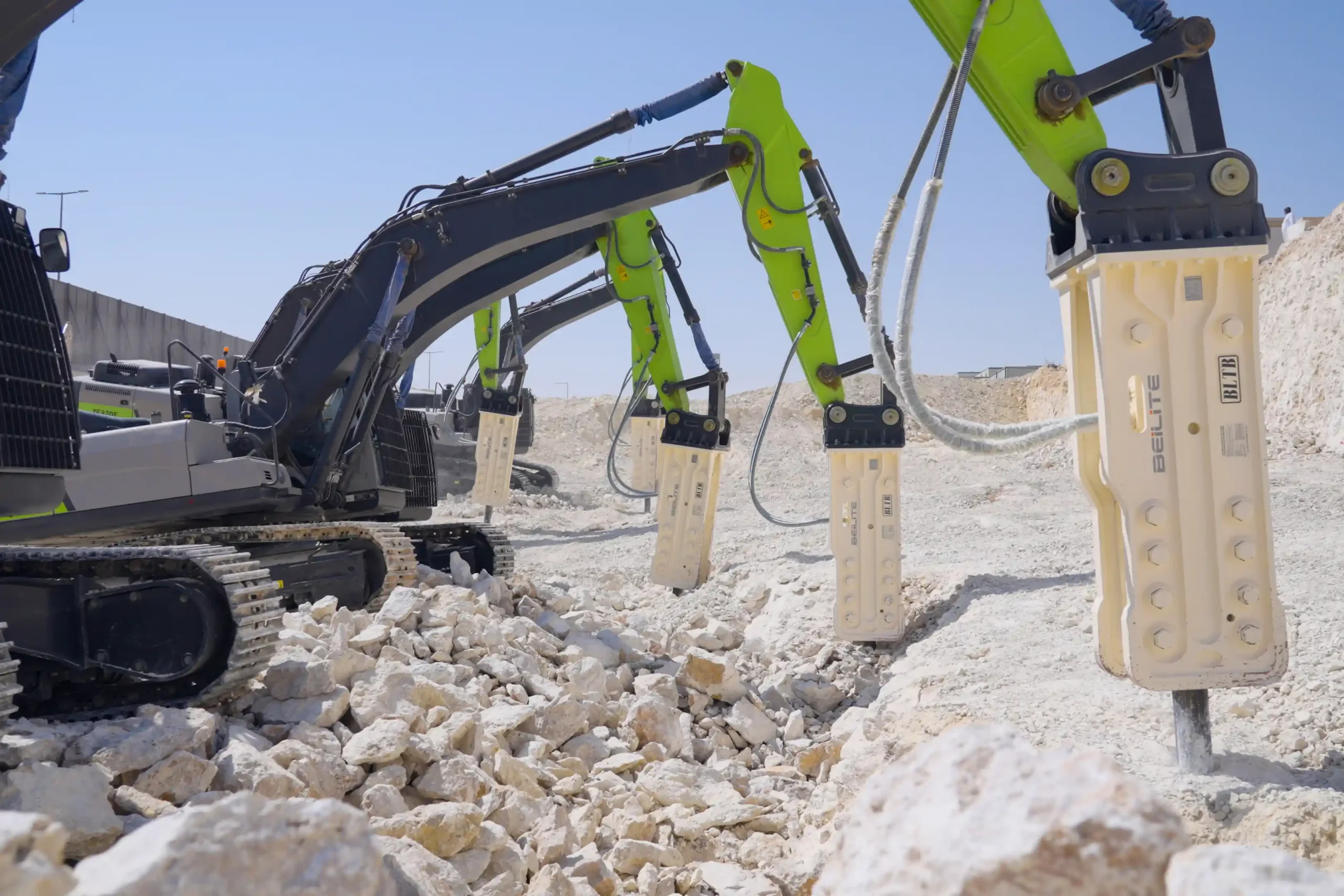
The strategic value of hydraulic breakers in forestry extends beyond raw breaking power. Speed improvements compress project timelines, which directly reduces labor costs and equipment rental expenses. A single excavator equipped with a breaker can handle tasks that might otherwise require multiple specialized machines—rock removal, stump processing, and foundation demolition all become possible without swapping carriers.
This versatility supports the broader workflow. When a hydraulic breaker clears obstacles ahead of feller bunchers or other forestry machinery, the entire operation moves faster. Precision work also limits unnecessary soil disturbance, which matters for land reclamation projects where soil conservation affects long-term site recovery. The productivity gains translate into measurable cost savings, though the exact figures depend heavily on site conditions and project scope.
Efficiency Gains in Land Clearing Operations
Several factors combine to make hydraulic breakers efficient for land clearing work:
- High impact force breaks down dense materials rapidly, reducing the number of passes needed.
- Precision targeting limits collateral damage, which means less rework and fewer surprises.
- Reduced reliance on secondary equipment streamlines logistics and crew coordination.
- Faster site preparation shortens the gap between project start and productive work.
- Less manual labor is required for material processing and debris handling.
- Optimized workflow accelerates project completion without sacrificing quality.
Matching Breaker Specifications to Forestry Requirements
Selecting the right hydraulic breaker for forestry applications involves matching several technical parameters to the work at hand. Excavator class compatibility determines whether the carrier can handle the breaker’s weight and hydraulic demands. Impact energy requirements depend on the materials being processed—harder rock needs more force, while softer materials benefit from higher frequency.
Chisel selection also affects performance. Conical chisels work well for general breaking tasks, blunt chisels suit crushing applications, and pyramidal designs offer better penetration in dense materials. The hydraulic flow from the carrier machine must align with the breaker’s operational specifications; mismatches reduce efficiency and can cause premature wear.
BEILITE’s BLT and BLTB series reflect over two decades of development and hundreds of patents, engineered specifically for demanding conditions like forestry work.
| Modèle | Excavateur applicable (t) | Diamètre du ciseau (mm) | Pression de fonctionnement (bar) | Fréquence d'impact (bpm) |
|---|---|---|---|---|
| BLT-40 | 0.5-1.2 | 40 | 90-120 | 800-1400 |
| BLT-60 | 3-5.5 | 60 | 100-130 | 500-1000 |
| BLT-85 | 7-11 | 85 | 130–160 | 400-800 |
| BLT-125 | 14-18 | 125 | 150-170 | 350-650 |
| BLT-155 | 27-33 | 155 | 200-220 | 200-300 |
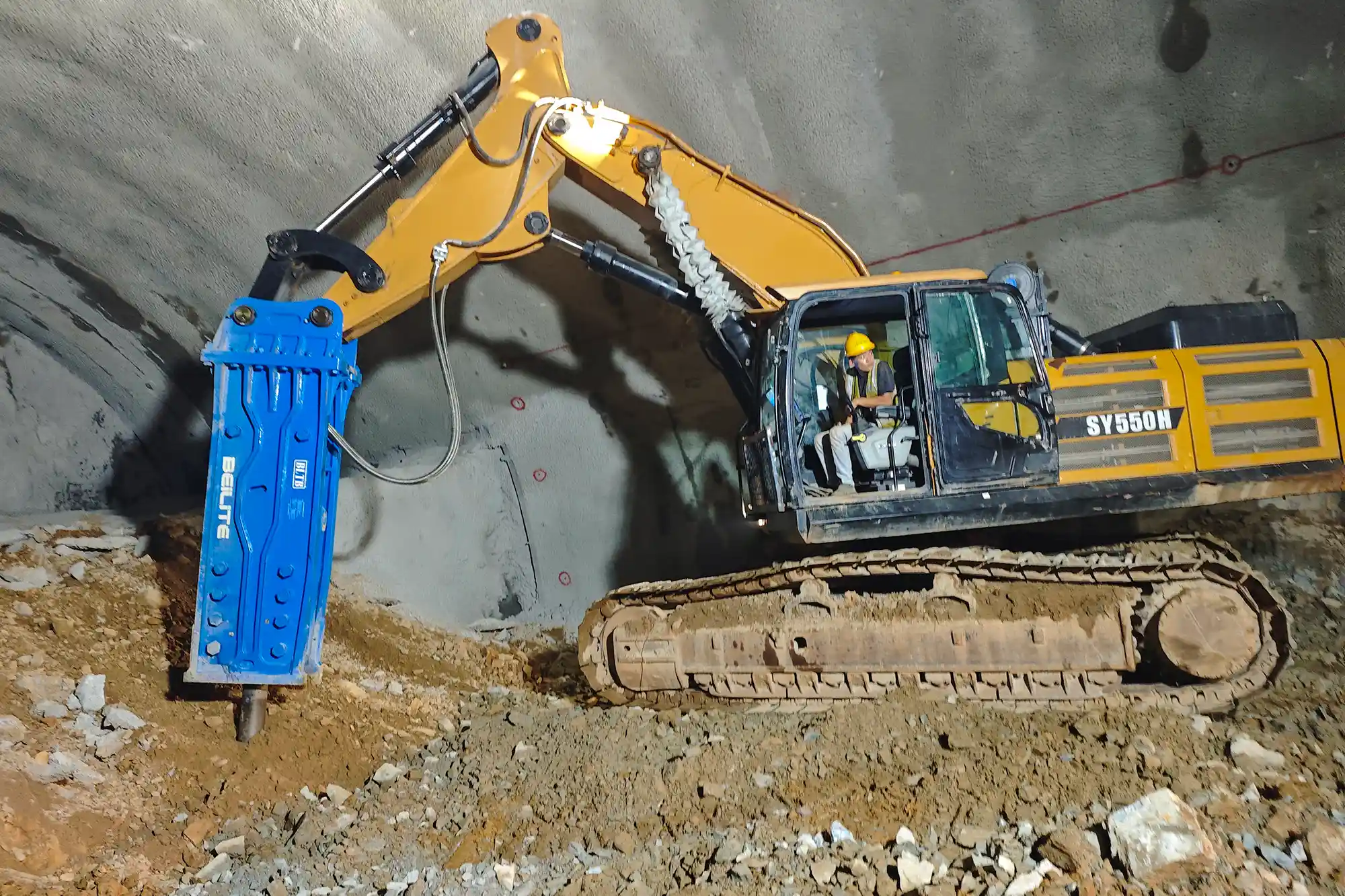
The BLT-40 suits mini excavators in the 0.5–1.2 ton range, delivering 800–1400 blows per minute with a 40 mm chisel—appropriate for lighter clearing tasks and access-restricted sites. At the other end, the BLT-155 pairs with 27–33 ton excavators, operating at 200–300 bpm with higher working pressures for heavy-duty rock demolition. Undersizing a breaker leads to inefficiency and extended work times; oversizing risks damage to the carrier machine’s hydraulic system and frame.
Maintenance Practices That Protect Equipment Investment
Longevity in forestry hydraulic breakers depends on consistent maintenance and proper operational habits. Preventive maintenance schedules catch problems before they become expensive failures. Regular hydraulic system checks—fluid levels, filter condition, line integrity—prevent contamination that degrades seals and internal components.
Chisel lubrication deserves particular attention because dry operation accelerates wear on both the chisel and the breaker housing. Operators should follow recommended pressure guidelines and perform daily inspections for signs of wear or damage. Replacing worn parts before they fail completely avoids cascading damage to other components.
Proper operator training makes a measurable difference in equipment lifespan. Operators who understand the machine’s limits and optimal operating techniques get more productive hours from the same equipment. BEILITE provides warranty support and maintains a global service network to assist customers with maintenance and repairs.
Safety Protocols for Forestry Breaker Operations
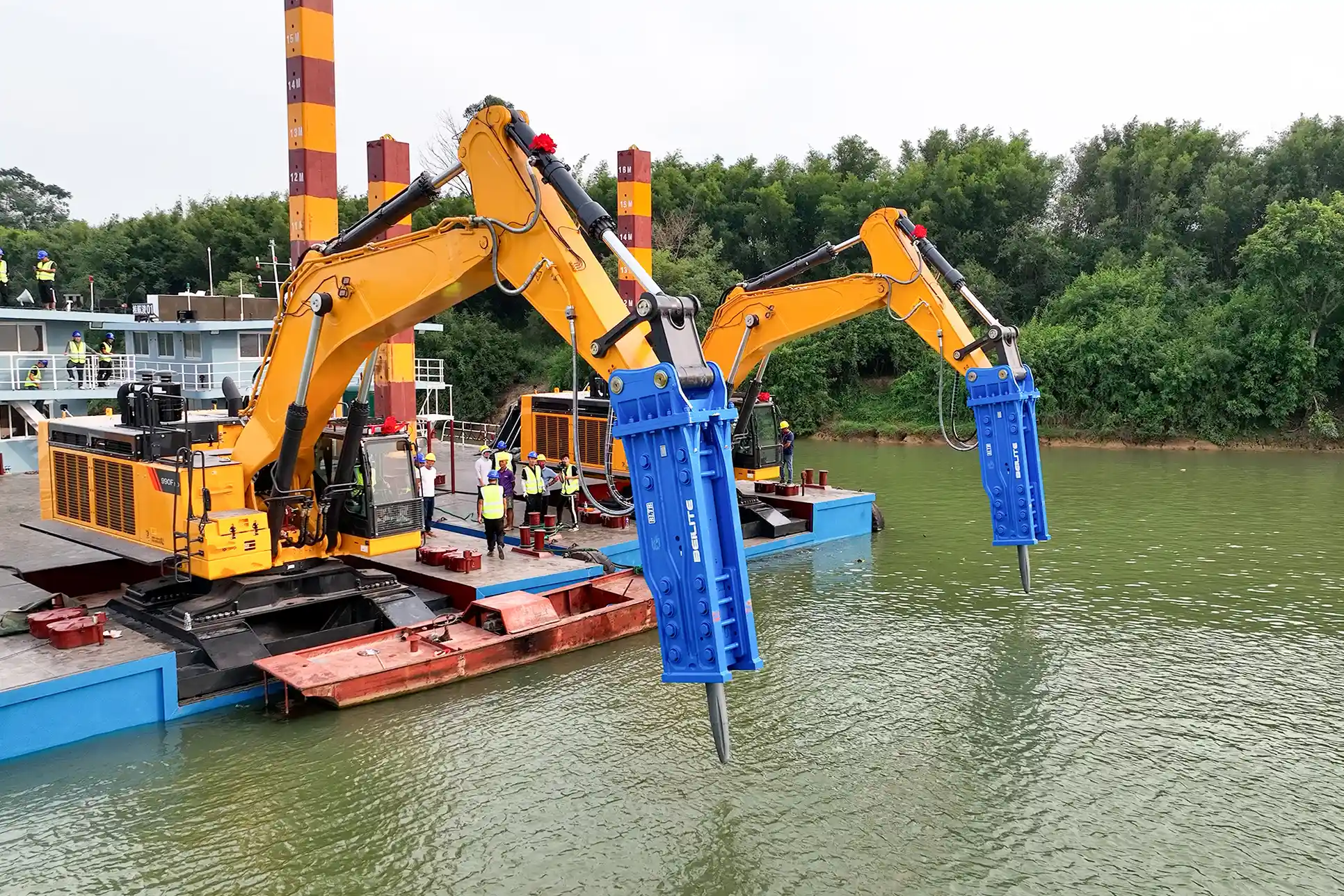
Operating hydraulic breakers in forestry settings involves specific hazards that require deliberate safety measures. Personal protective equipment is non-negotiable: hard hats, safety glasses, hearing protection, and steel-toed boots address the most common injury risks.
Before starting work, a thorough site assessment identifies potential problems—unstable ground, overhead hazards, buried utilities, or proximity to other workers. Exclusion zones around the working area keep unauthorized personnel at safe distances from flying debris and equipment movement.
Proper attachment procedures prevent the breaker from detaching during operation, which can cause serious accidents. Operators need training in emergency procedures and machine-specific protocols. Heavy machinery in remote forestry locations demands extra caution because emergency response times may be longer than in urban construction settings.
Where Forestry Demolition Technology Is Heading
Development in hydraulic breaker technology continues to address both performance and environmental concerns. Low vibration designs reduce operator fatigue and may help meet increasingly strict workplace health regulations. Smart attachment systems with remote monitoring enable real-time performance tracking and predictive maintenance—identifying potential failures before they cause downtime.
Precision demolition capabilities are improving, allowing more targeted material removal with less environmental disturbance. These advances support sustainable forestry practices by reducing fuel consumption and minimizing the operational footprint. Research into advanced materials promises more durable components that extend service intervals and reduce replacement costs.
This trajectory aligns with tightening environmental regulations across many jurisdictions. Forestry operations face growing pressure to demonstrate responsible practices, and equipment that delivers efficiency without excessive environmental impact becomes increasingly valuable.
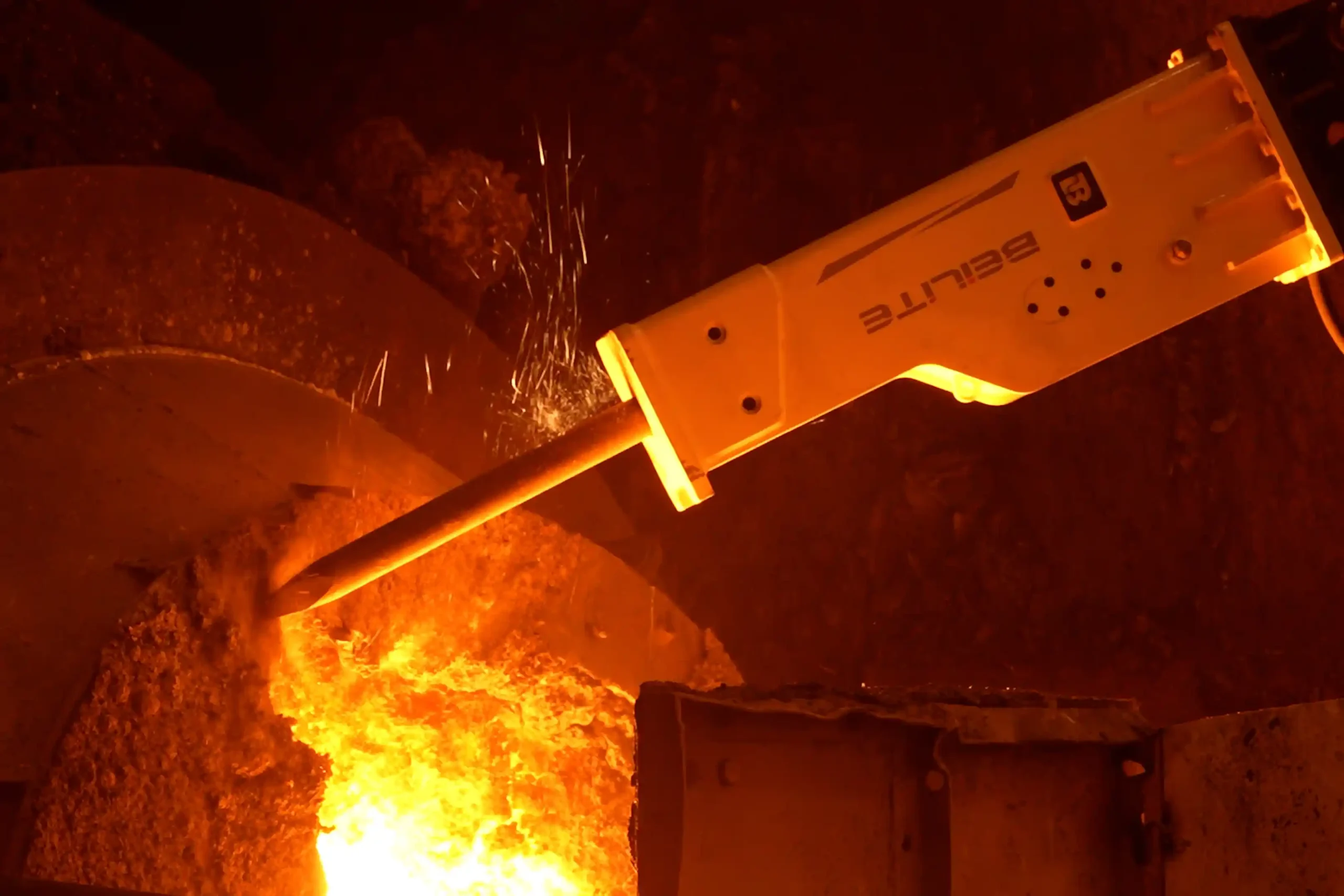
Partner with BEILITE for Your Forestry Equipment Needs
BEILITE brings over two decades of hydraulic breaker development to forestry applications. As a national high-tech enterprise with hundreds of patents, the company offers solutions engineered for the specific challenges of land clearing work. The BLT and BLTB series address a range of excavator classes and application requirements.
Contact BEILITE to discuss your project specifications and find the right hydraulic breaker configuration for your forestry operations.
Courriel : [email protected]
Téléphone : 40008-40008
Frequently Asked Questions About Forestry Hydraulic Breakers
What construction features make hydraulic breakers reliable in forest environments?
Forestry hydraulic breakers incorporate reinforced housings, sealed hydraulic circuits, and wear-resistant materials to withstand dust, debris, and temperature extremes. High impact energy output handles tough materials like embedded rock and compacted root systems. Specialized chisel options allow operators to match the tool to specific materials, whether breaking boulders during road construction or processing stumps for site preparation.
How do BEILITE hydraulic breakers support environmentally responsible forestry work?
Efficient hydraulic breakers reduce the time and fuel required for land clearing operations. Precision breaking minimizes soil disturbance beyond the immediate work area, which supports better site recovery during land reclamation projects. Reduced operational time also means less noise and exhaust emissions affecting surrounding forest areas. These factors contribute to meeting environmental compliance requirements while maintaining productive work rates.
What maintenance schedule keeps a forestry hydraulic breaker performing reliably?
Daily inspections should cover hydraulic lines, chisel condition, and mounting hardware. Chisel lubrication needs to happen according to manufacturer intervals—typically every few hours of operation. Hydraulic fluid and filters require regular replacement based on operating hours and conditions. Following the manufacturer’s service schedule for internal components prevents unexpected failures and extends the useful life of the equipment.