 Anglais
 Français
Hydraulic Breaker Tool Bits: Engineering for Peak Performance
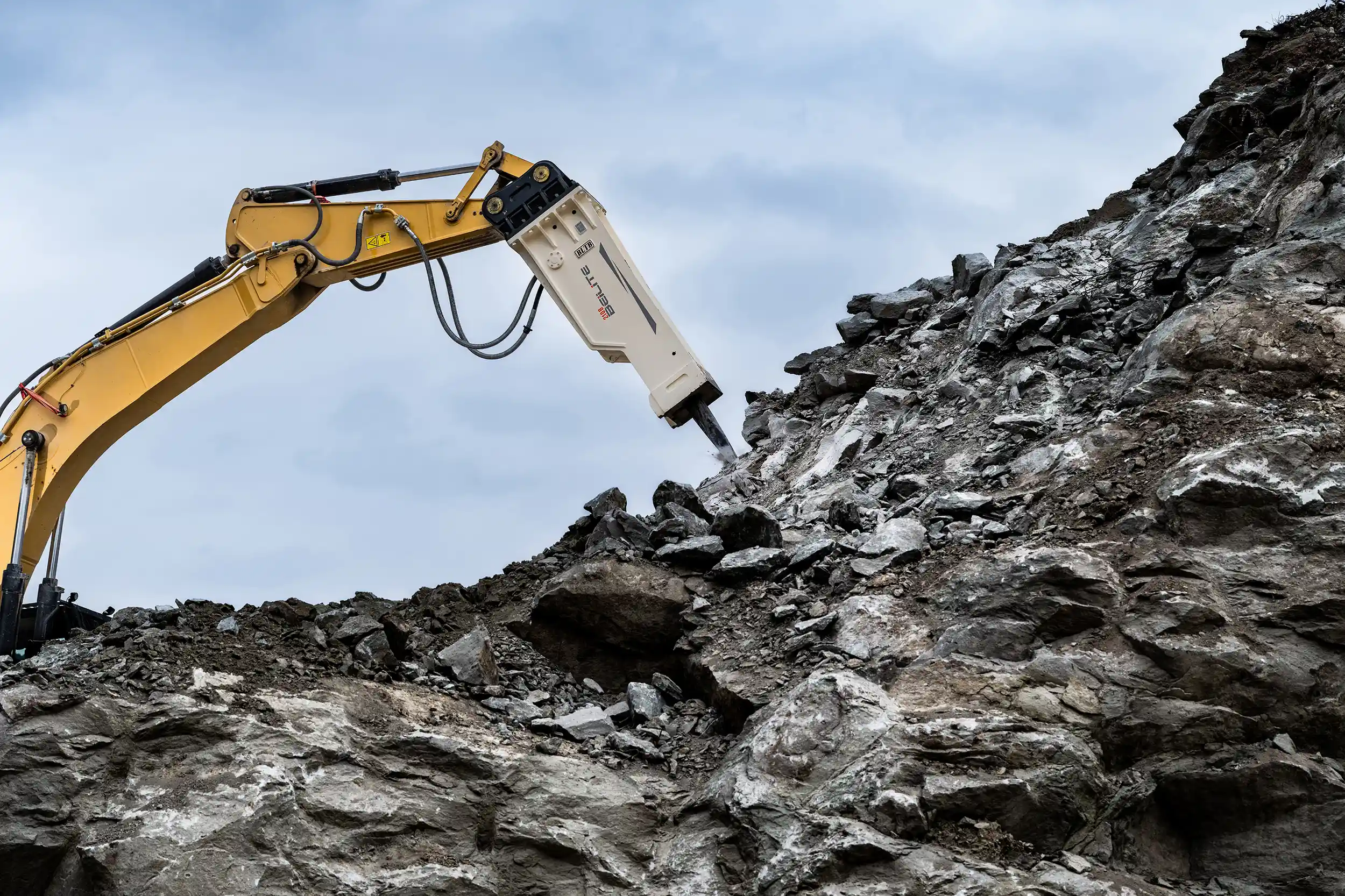
Tool bits take the beating so your hydraulic breaker can do its job. They’re the contact point where all that hydraulic force meets rock, concrete, or whatever you’re trying to break apart. Get the wrong bit or neglect the one you have, and you’ll feel it in your production numbers and your maintenance budget.
What Actually Makes a Good Breaker Bit
Material science drives everything here. The steel composition and how it’s heat-treated determine whether a bit lasts weeks or months under the same conditions. We’ve spent years refining our metallurgical processes, and our involvement in developing national hydraulic breaker standards has pushed us to keep improving alloy formulations.
| Material Type | Key Characteristics | Typical Applications | Beilite’s Advantage |
|---|---|---|---|
| 40Cr | Good toughness, moderate hardness | Démolition générale | Enhanced heat treatment |
| 42CrMo | High strength, good wear resistance | Medium-hard rock | Optimized alloy blend |
| Proprietary Alloys | Superior hardness, extreme wear resistance, high fracture toughness | Demanding quarrying, heavy demolition | National standard participant, extended lifespan |
Standard 40Cr and 42CrMo steels work fine for many applications. But when you’re hitting abrasive quarry material day after day, proprietary alloys with optimized hardness and fracture toughness make a measurable difference in how often you’re swapping bits.
Bit Geometry and Where the Power Goes
Shape matters more than most operators realize. A well-designed bit transfers impact energy efficiently from piston to tip. Poor geometry means wasted force, more heat buildup, and faster wear. Our patented designs focus on minimizing that energy loss.
Different jobs need different shapes. Chisel bits cut through concrete with precision. Blunt tips spread force across a wider area for breaking massive rock formations. Pyramid designs split the difference between penetration and breaking power. Wedge profiles work well when you can exploit natural fault lines in the material. Matching geometry to your application isn’t optional if you want consistent production.
Why Some Bits Last and Others Don’t
Durability comes down to three things: material quality, how you run the equipment, and whether you maintain it properly. We test our bits extensively before they ship, but what happens on site determines actual service life.
| Factor Affecting Lifespan | Mitigation Strategy |
|---|---|
| Improper Greasing | Regular, adequate lubrication |
| Incorrect Tool Bit Selection | Match bit type to material |
| Overheating | Monitor operating temperature, allow cooling |
| Excessive Idling | Minimize unnecessary operation |
| Material Abrasiveness | Use high-wear-resistant bits |
Abrasion resistance and fracture toughness are built into the steel. But even the best bit won’t survive neglect. Skipping grease cycles or running the wrong bit for the material accelerates wear dramatically.
Matching Bits to the Work
Picking the right bit sounds straightforward until you’re standing in front of a material you haven’t worked before. Experience helps, but understanding the basics gets you most of the way there.
Concrete demolition usually calls for chisel profiles. Quarry operations dealing with hard, abrasive rock benefit from blunt or pyramid designs. Road work varies depending on whether you’re cutting asphalt or breaking up a concrete base. Underwater applications need specialized treatments to handle corrosion alongside the impact demands.
| Tool Bit Type | Optimal Application | Material Suitability |
|---|---|---|
| Chisel Bit | Concrete demolition, asphalt cutting | Concrete, soft rock, asphalt |
| Blunt Bit | Breaking large, hard rock | Hard rock, boulders |
| Pyramid Bit | General breaking, varied rock types | Medium-hard rock, concrete |
| Wedge Bit | Splitting rock along fault lines | Laminated rock, soft stone |
Keeping Bits in Working Condition
Maintenance isn’t glamorous, but it directly affects how much you spend on replacement parts. A few minutes of daily attention prevents most premature failures.
Grease the bit regularly. Friction between the tool and housing generates heat and accelerates wear. Check for cracks, unusual wear patterns, and proper seating before each shift. When bits aren’t in use, store them clean and dry. Corrosion starts faster than you’d expect, especially in humid environments. These habits aren’t complicated, but they add up to significantly longer service life.
Where Tool Bit Technology Is Heading
We’re investing heavily in next-generation development. Sensor integration is coming, with smart bits that can report real-time performance data. Advanced coatings will push wear resistance further. We’re also exploring sustainable material options that maintain performance while reducing environmental impact.
Predictive maintenance based on actual sensor data will eventually replace time-based replacement schedules. That means fewer unexpected failures and better utilization of each bit’s full service life.
Work with Beilite
Beilite Machinery Co., LTD. has been building hydraulic breaker components for over twenty years. Our BLT and BLTB brand products are working in more than 100 countries. If you want to discuss specific applications or need help selecting the right tooling for your operation, reach out at [email protected] or 40008-40008.
Frequently Asked Questions About Hydraulic Breaker Tool Bits
What are the best materials for hydraulic breaker tool bits?
High-grade alloy steels perform best. 42CrMo is a solid baseline, but proprietary formulations engineered for specific hardness, wear resistance, and fracture toughness characteristics outperform standard materials in demanding applications. The heat treatment process matters as much as the base alloy composition.
How does tool bit design affect hydraulic breaker performance?
Geometry determines how efficiently impact energy transfers from the piston to the material you’re breaking. Different profiles suit different applications. Chisel shapes cut precisely, blunt tips distribute force broadly, pyramid designs balance penetration and breaking power. Wrong geometry for the application means wasted energy and slower production.
What maintenance practices extend the life of hydraulic breaker bits?
Consistent greasing reduces friction and heat buildup. Daily visual inspection catches cracks and abnormal wear before they cause failures. Proper storage prevents corrosion between jobs. Running the bit within manufacturer specifications for temperature and operating parameters also matters. None of this is complicated, but skipping steps shortens bit life noticeably.