Anglais
 Français
Hydraulic Breaker Terminology: An Engineer’s Technical Deep Dive
Getting the terminology right matters more than most people realize when you’re working with hydraulic breakers. The wrong word at the wrong moment can mean miscommunication between operators and mechanics, or worse, equipment damage that could have been avoided. After years of watching how these machines perform in the field, the vocabulary becomes second nature, but for those still building that foundation, a clear breakdown of terms makes all the difference in both safety and results.
Core Hydraulic Breaker Components Explained
A hydraulic breaker is a complex assembly of precision-engineered components working in concert to deliver powerful impact energy. Each part plays a critical role in the overall function and durability of the attachment. Manufacturing precision ensures the reliability of these components, from the robust casing to the intricate internal mechanisms.
What are the essential components of a hydraulic breaker?
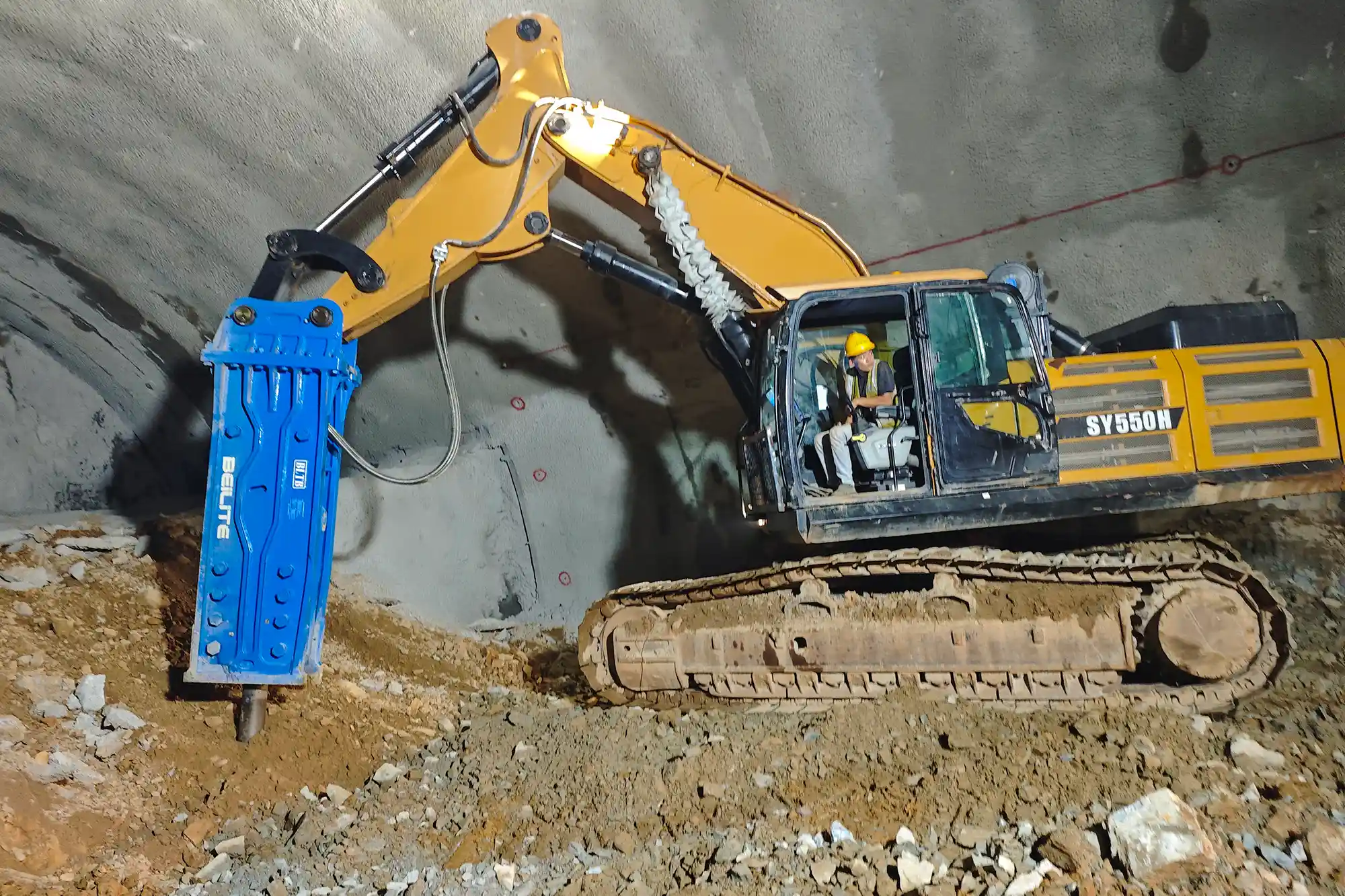
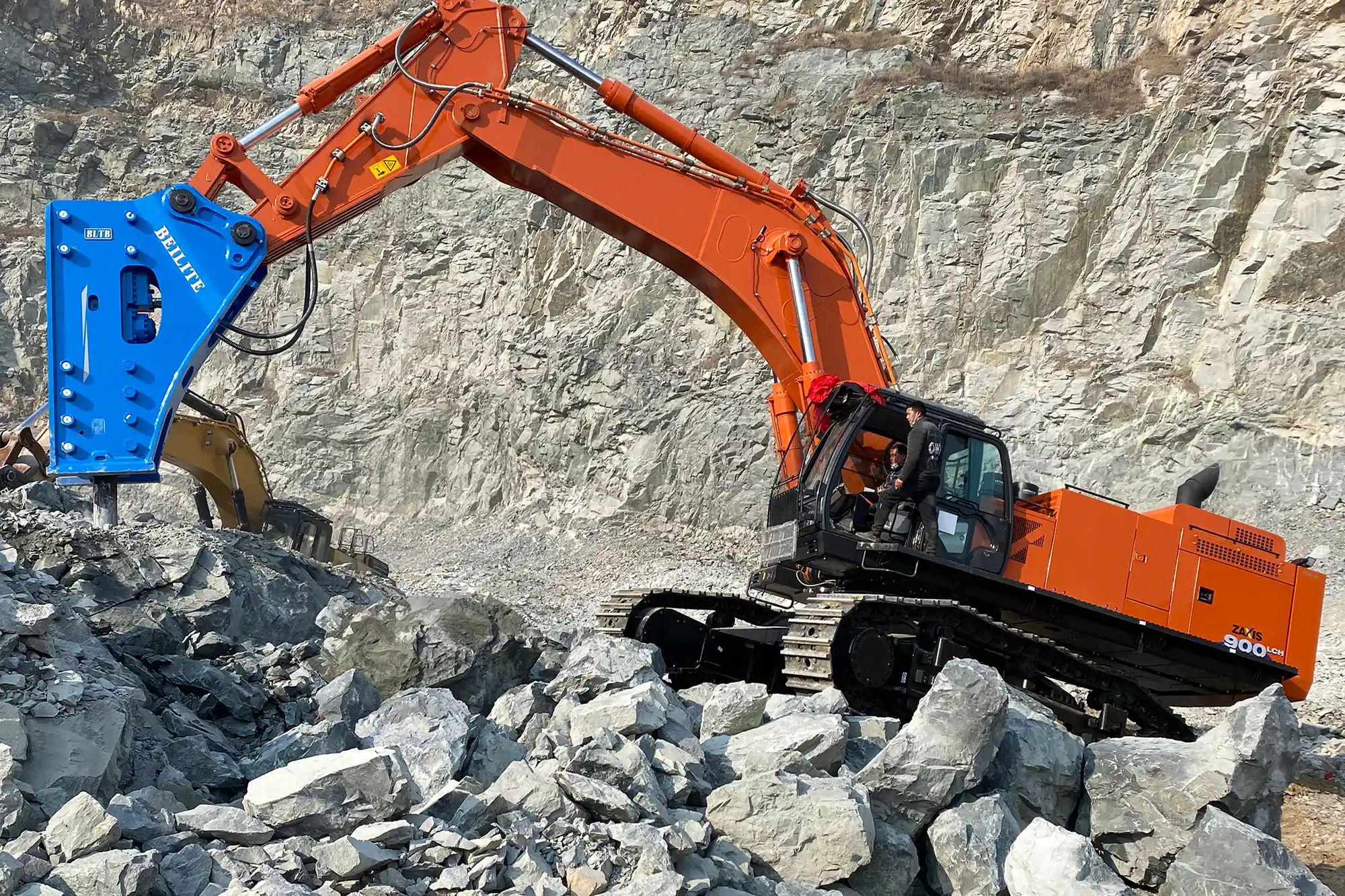
The essential components of a hydraulic breaker include the main body, piston, cylinder, valve system, chisel (tool bit), chisel retainer pin, front head, and back head (often containing an accumulator). The main body houses the internal mechanisms, while the piston, driven by hydraulic pressure, delivers impact to the tool bit. The valve system controls the hydraulic fluid flow, orchestrating the piston’s movement. The front head guides the chisel and absorbs reaction forces, and the back head provides structural support and often incorporates an accumulator for energy storage.
Operational Principles and Performance Metrics
Understanding the operational principles and key performance metrics of hydraulic breakers is the foundation for selecting the right equipment and maximizing efficiency. Breakers engineered for consistent performance across diverse applications rely on precise hydraulic mechanisms to operate effectively under demanding conditions.
How does hydraulic pressure impact breaker performance?
Hydraulic pressure directly influences a breaker’s impact energy and frequency. Higher operating pressure, within specified limits, generally translates to greater impact force. The flow rate dictates the speed at which the piston cycles, affecting the impact frequency (blows per minute). The accumulator pre-charge pressure is vital for storing hydraulic energy, ensuring consistent impact and protecting the carrier’s hydraulic system from pressure spikes. For instance, the BLT-155 model operates at 200–220 bar with a working oil flow of 180–240 L/min, delivering optimal performance for 27–33 t excavators.
Article Recommendation: If you are looking for equipment suitable for specific tasks, consider exploring our range of Marteau brise-roche hydraulique pour la démolition et le cassage de roches.
Chisel and Tooling Terminology
The chisel, or tool bit, is the primary interface between the hydraulic breaker and the material being broken. Selecting the correct chisel type is paramount for maximizing breaking efficiency and minimizing wear on both the tool and the breaker. A variety of high-quality chisels are available for specific applications.
| Chisel Type | Description | Primary Application |
|---|---|---|
| Moil Point | Conical tip for concentrated impact | General breaking, concrete, soft rock |
| Blunt Tool | Flat, wide surface for crushing | Hard rock, oversized boulders, secondary breaking |
| Pyramidal Chisel | Pyramid-shaped tip for precise penetration | Medium-hard rock, concrete with rebar |
| Wedge Chisel | Flat, wedge-shaped for splitting | Concrete slabs, layered rock |
Each chisel type is forged from specialized, wear-resistant material to withstand extreme forces. Proper selection ensures efficient material reduction and extends the lifespan of the tool.
Maintenance, Troubleshooting, and Safety Vocabulary
Effective maintenance, diligent troubleshooting, and adherence to safety protocols are critical for the longevity and safe operation of hydraulic breakers. Comprehensive guidelines and readily available parts support proper upkeep. Regular checks and correct procedures prevent premature wear and operational hazards.
What common terms are used for hydraulic breaker maintenance?
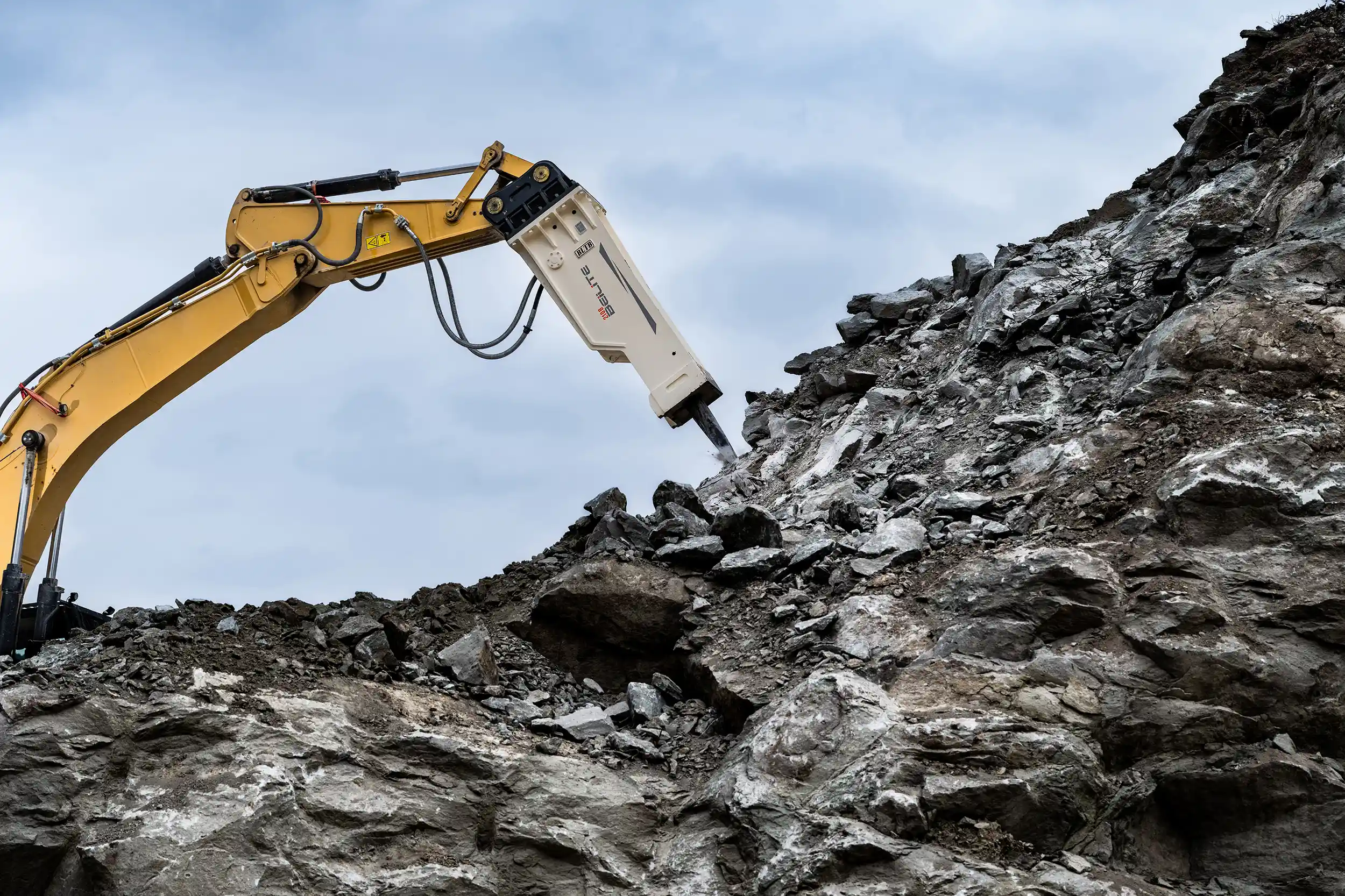
Common maintenance terms include “daily checks,” referring to routine visual inspections before operation. “Greasing points” indicate specific lubrication areas requiring regular attention, typically every 2-4 operating hours. “Wear parts” are components like chisels, bushings, and seal kits that naturally degrade over time and require periodic replacement. “Service interval” specifies the recommended operating hours between comprehensive maintenance procedures, ensuring optimal performance and preventing major failures. Adhering to these intervals, as outlined in equipment manuals, is critical for equipment reliability.
Article Recommendation: To learn more about maintaining your equipment, refer to our resources on brise-roche hydraulique Hammer.
Advanced Breaker Features and System Integration Terms
Modern hydraulic breakers incorporate advanced features and require sophisticated system integration for enhanced performance, operator comfort, and extended lifespan. Continuous innovation pushes the boundaries of efficiency and reliability. These developments reflect ongoing progress in the field.
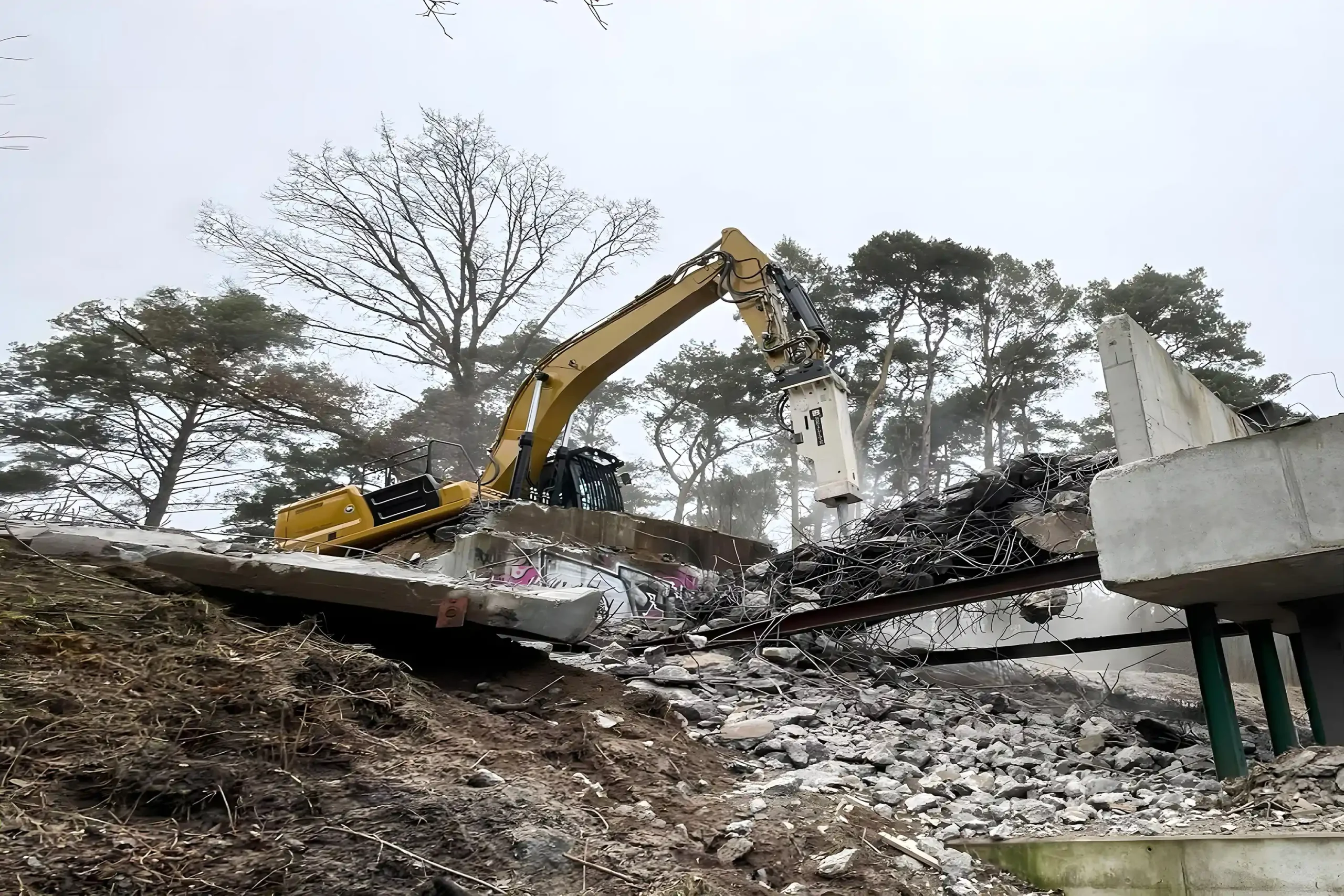
Key terms in this domain include “auto-greasing system,” which automates lubrication, ensuring consistent maintenance and reducing manual labor. “Sound suppression technology” minimizes noise levels, improving operator conditions and complying with environmental regulations. “Vibration dampening” systems reduce shock loads transmitted to the carrier, protecting both the machine and the operator. “Carrier compatibility” refers to the seamless integration of the breaker with various excavators, requiring precise matching of hydraulic flow and pressure. “Hydraulic system optimization” involves fine-tuning the breaker’s hydraulic parameters to match the carrier’s capabilities, maximizing impact energy and efficiency. For example, the BLT-135 model, designed for 18–22 t excavators, features optimized hydraulic parameters with a working oil flow of 100–150 L/min and operating pressure of 160–180 bar.
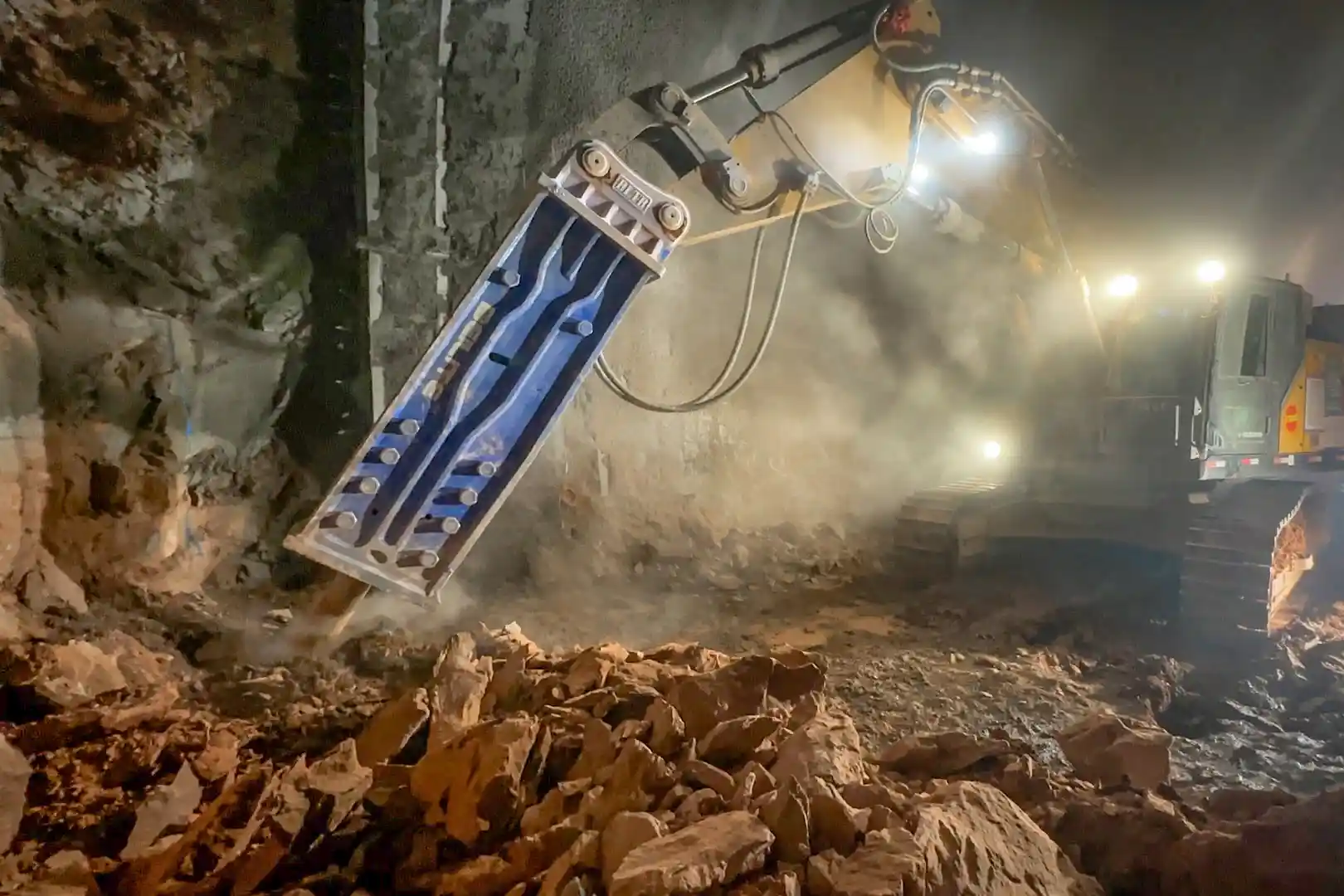
Partner with Beilite for Superior Hydraulic Breaker Solutions
Beilite Machinery Co., LTD. is a national high-tech enterprise, pioneering hydraulic breaker R&D and manufacturing since 2002. We actively contribute to national standards and hold numerous patents, exporting our BLT and BLTB brands globally. Experience the difference that engineering excellence and dedicated service make. Contact us today to discuss your project requirements or request a quote.
Courriel : [email protected]
Téléphone : 40008-40008
Frequently Asked Questions About Hydraulic Breaker Terminology
What is the difference between impact energy and operating pressure in hydraulic breakers?
Impact energy, measured in Joules, quantifies the actual force delivered by the piston to the tool bit with each blow. Operating pressure, measured in bar, refers to the hydraulic fluid pressure supplied by the carrier to power the breaker. While higher operating pressure generally contributes to greater impact energy, the overall design and efficiency of the breaker’s internal mechanisms also significantly influence the final impact force.
Why is the accumulator a significant component in hydraulic breaker terminology?
The accumulator is significant because it stores hydraulic energy under pressure, typically nitrogen. This stored energy assists in accelerating the piston, enhancing impact power, and maintaining a consistent blow frequency. It also acts as a shock absorber, dampening pressure pulsations and protecting the carrier’s hydraulic system from damaging spikes, thereby extending the lifespan of both the breaker and the excavator.
How does understanding chisel types improve hydraulic breaker efficiency?
Understanding chisel types dramatically improves efficiency by ensuring the correct tool is matched to the material. Using a moil point for general concrete breaking, a blunt tool for crushing hard rock, or a wedge for splitting layered materials optimizes material penetration and fracture. This reduces unnecessary wear on the breaker, minimizes energy waste, and accelerates project completion, directly impacting operational costs and productivity.