 Anglais
 Français
Hydraulic Breaker for Demolition: Advanced Technology & Efficiency
Hydraulic breakers have become the backbone of serious demolition work. When you’re facing reinforced concrete or stubborn rock formations, these machines deliver the kind of controlled, repeatable force that manual methods simply can’t match. At Beilite Machinery, we’ve spent over 20 years developing hydraulic breakers and contributing to national standards in this field. That experience shapes every design decision we make.
How Hydraulic Breakers Actually Work
The real magic happens in the hydraulic system. Your excavator supplies pressurized fluid, and the breaker converts that pressure into raw percussive force. A piston accelerates through the cylinder, strikes the tool bit, and transfers kinetic energy directly into whatever you’re trying to break apart. Simple in concept, demanding in execution.
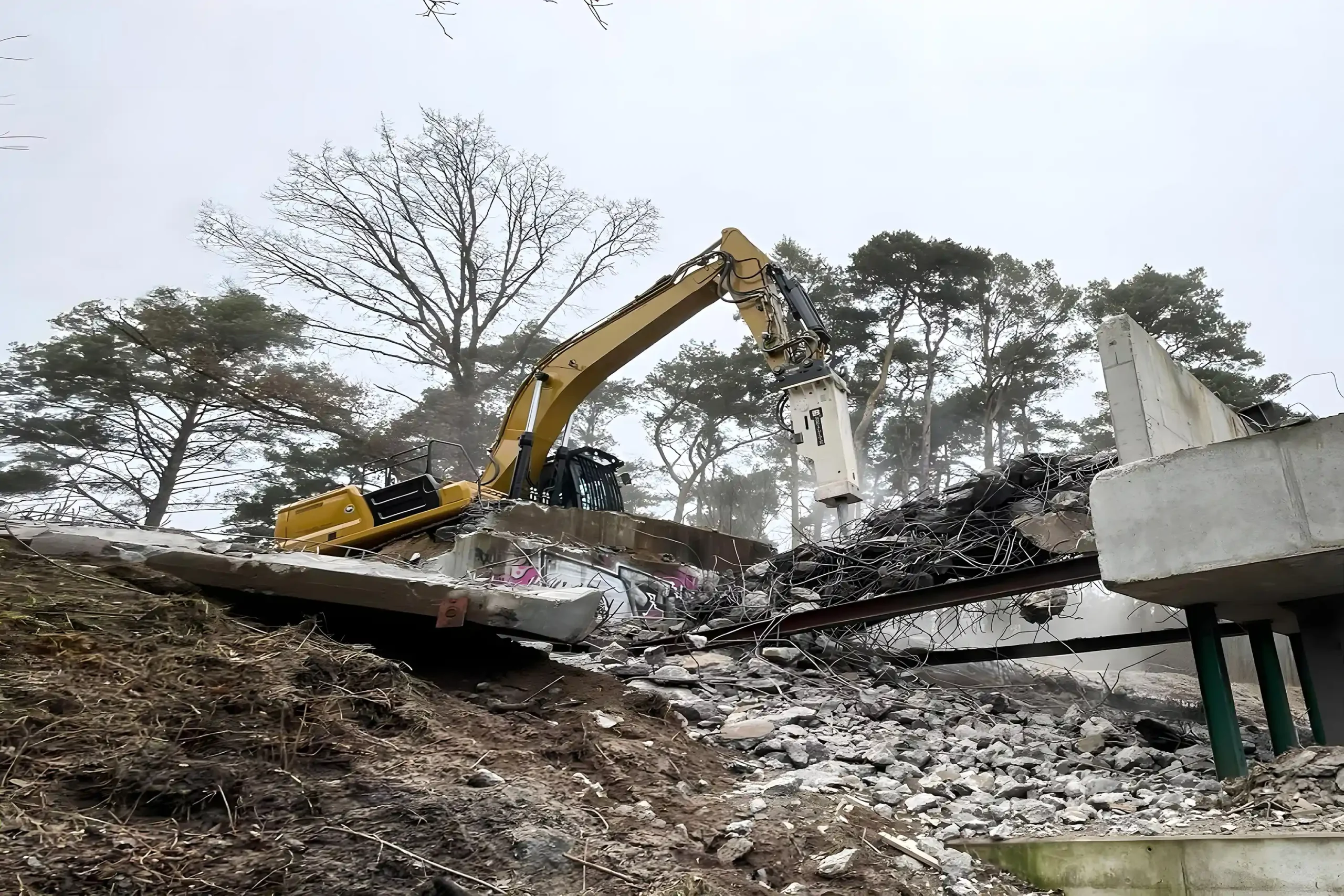
Our breakers incorporate nitrogen accumulators that serve two purposes. They store hydraulic energy for consistent power delivery, and they absorb pressure spikes that would otherwise stress the system. The result is smoother operation and longer service life for both the breaker and your carrier machine. We’ve refined our piston geometry to maximize energy transfer while minimizing the losses that plague less sophisticated designs. When you’re paying for hydraulic flow, you want that energy hitting the target material, not dissipating as heat or vibration.
Matching Impact Energy to the Job
Different materials respond to different breaking strategies. Soft concrete might break faster with rapid, lighter blows. Dense granite needs slower, heavier impacts that concentrate force on a smaller area. Our patented control systems let operators adjust both frequency and impact energy from the cab. This isn’t just convenient. It directly affects how quickly you finish the job and how much wear accumulates on your equipment. Getting this balance right separates efficient operations from ones that burn through chisels and downtime.
Picking the Right Breaker for Your Excavator
Matching a breaker to your carrier machine matters more than most people realize. Too small, and you’re wasting time. Too large, and you risk damaging your excavator’s hydraulic system or structural components.
| Beilite Breaker Model | Excavator Tonnage (t) | Diamètre du ciseau (mm) | Operating Weight (kg) | Fréquence d'impact (bpm) |
|---|---|---|---|---|
| BLT-40 | 0.5 – 1.2 | 40 | 86 | 800 – 1400 |
| BLT-75 | 6 – 8.5 | 75 | 466 | 400 – 800 |
| BLT-100 | 10 – 14 | 100 | 986 | 350 – 700 |
| BLT-140 | 20 – 24 | 140 | 1910 | 350 – 500 |
| BLT-165 | 33 – 38 | 165 | 3149 | 150 – 300 |
Beyond tonnage, you need to consider your excavator’s actual hydraulic output. Flow rate and pressure capacity vary between manufacturers and models. Our technical team walks customers through this matching process because getting it right from the start prevents problems down the line.
If you need a reliable tool for breaking concrete, rock, and similar materials, take a look at our brise-roche hydraulique Hammer lineup.
Features That Make a Real Difference
Some breaker features sound like marketing fluff until you see them work on an actual jobsite. Anti-blank firing protection falls into that category. When your chisel breaks through material suddenly, the system prevents the piston from slamming forward with nothing to absorb the impact. That single feature can add years to a breaker’s service life.
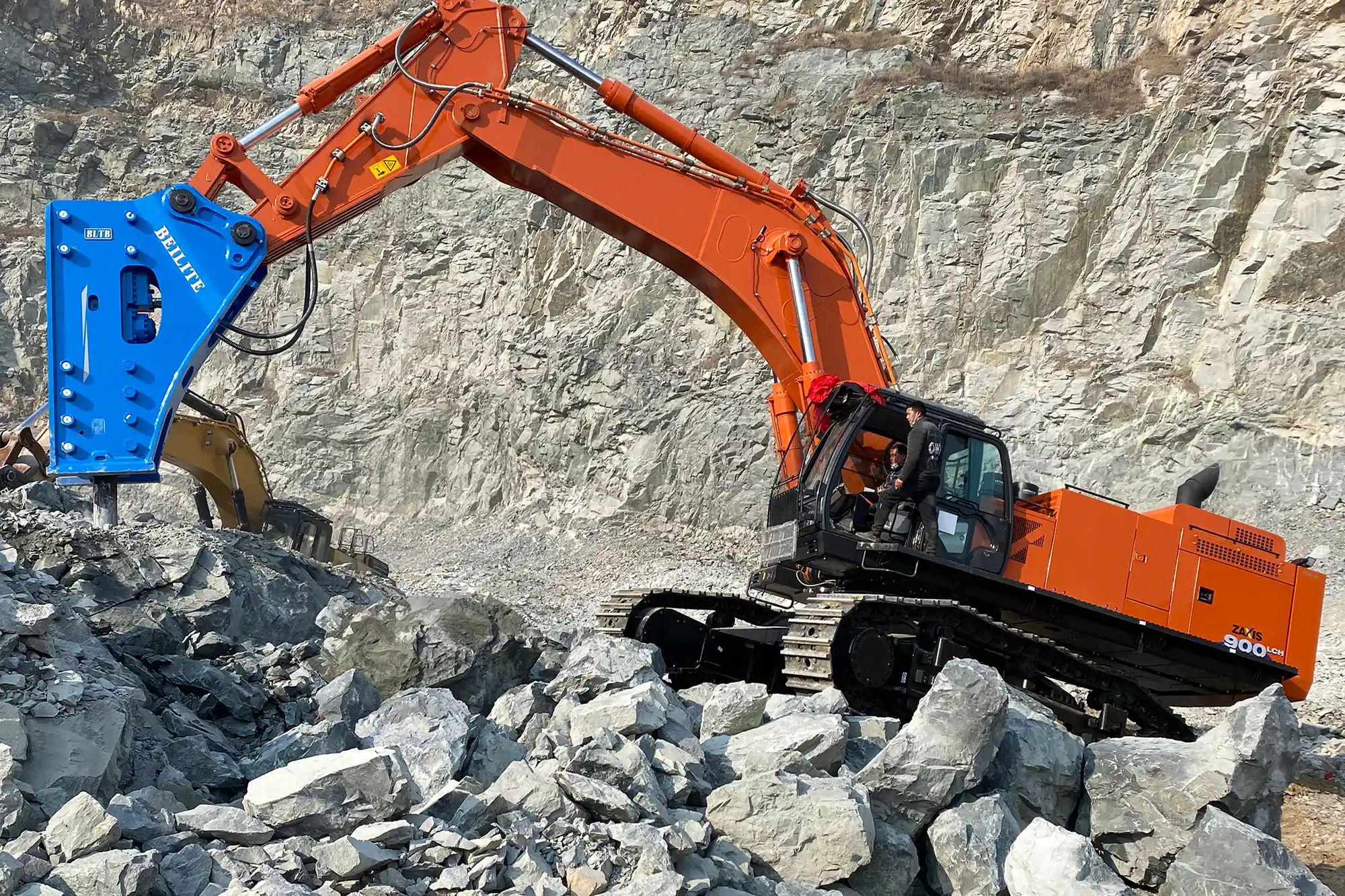
Noise reduction matters when you’re working near occupied buildings or in urban areas where complaints can shut down a project. Dust suppression keeps operators healthy and improves visibility. Automatic lubrication systems deliver grease precisely where it’s needed, when it’s needed, without someone having to remember to do it manually. Built-in monitoring gives you data on operating hours, impact counts, and maintenance intervals. These aren’t luxury features. They’re practical solutions to problems that cost real money when ignored. Our hydraulic demolition tools reflect this philosophy of building in reliability from the start.
Keeping Your Breaker Running
A hydraulic breaker is a significant investment, and maintenance determines whether you get five years of service or fifteen. The basics aren’t complicated. Check chisel wear daily. Inspect hydraulic hoses weekly. Verify nitrogen pressure monthly. Follow the service intervals in your manual.
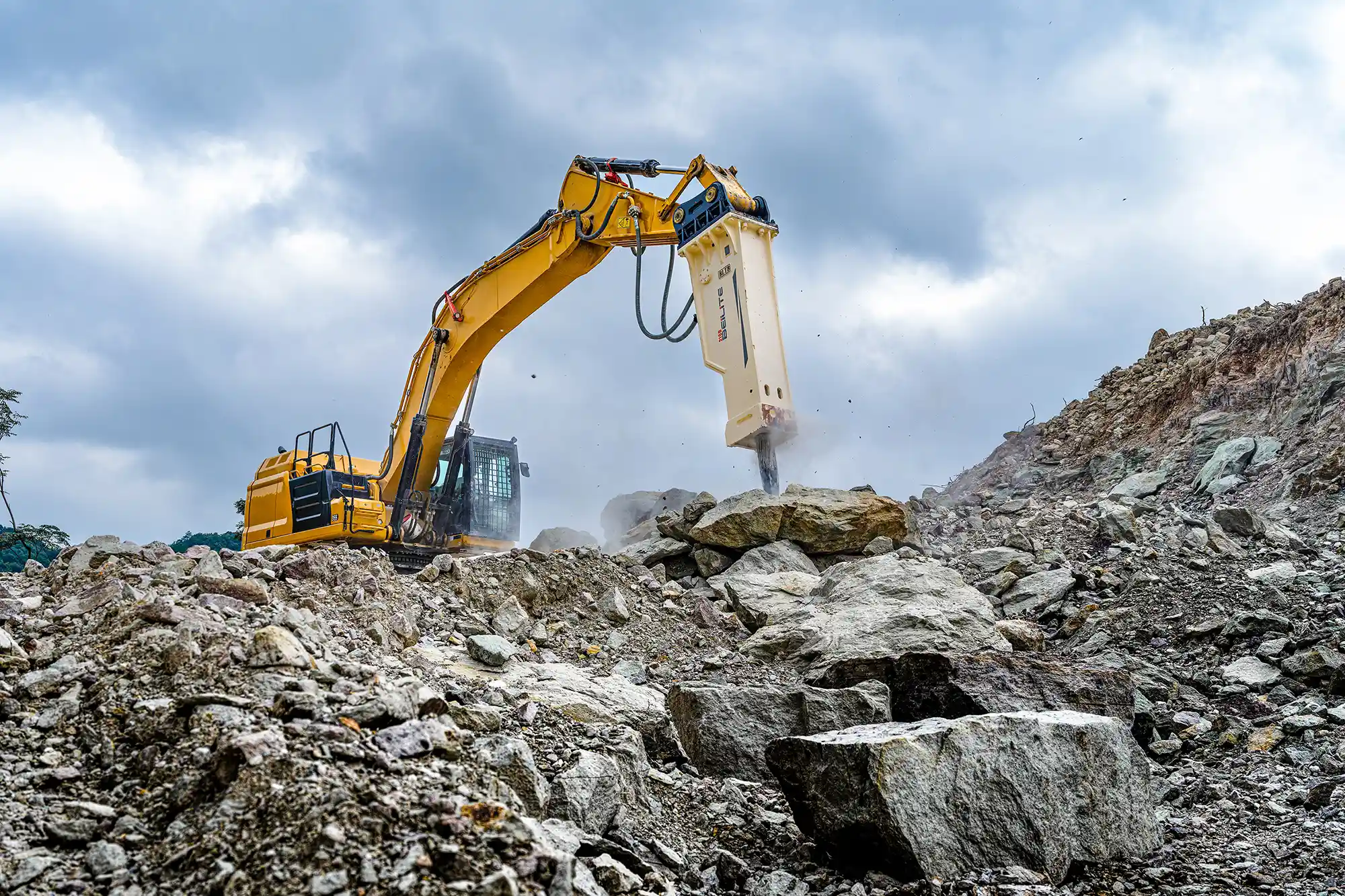
Using genuine replacement parts matters more than some operators think. Aftermarket components might fit, but tolerances and material quality vary. When a seal fails or a bushing wears prematurely, the repair costs quickly exceed any savings on parts. We stock components for our entire product line and provide troubleshooting guides that help operators address minor issues before they become expensive problems.
What Actually Extends Breaker Life
Durability comes from material selection, heat treatment processes, and design choices that reduce stress concentrations. Automatic lubrication prevents metal-to-metal contact in critical areas. Monitoring systems catch problems early. Our wear resistant components use specialized alloys and hardening processes developed through years of field testing. These aren’t theoretical improvements. They show up in reduced downtime and lower total cost of ownership.
Safety Practices That Protect People and Equipment
Demolition work carries inherent risks, and hydraulic breakers concentrate a lot of energy in a small area. Proper training on your specific equipment is the starting point. Operators need to understand not just how to run the machine, but how it behaves under different conditions and what the warning signs of problems look like.
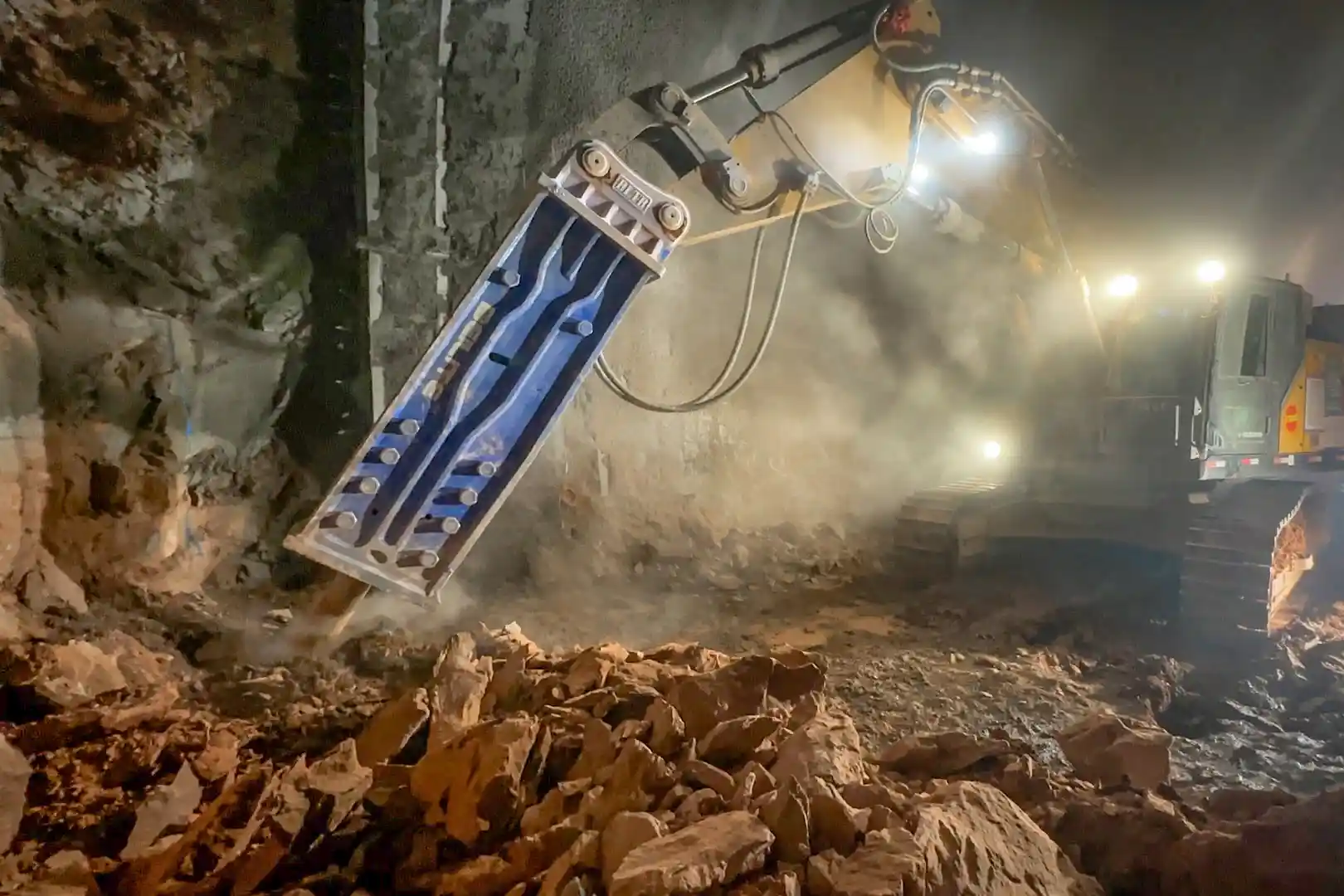
PPE requirements exist for good reasons. Hard hats, safety glasses, hearing protection, and steel-toed boots should be non-negotiable on any site where breakers are operating. Risk assessments before starting work identify hazards specific to each job. Keeping unauthorized people away from the work area prevents the kind of accidents that end careers and projects. Regular equipment inspections catch problems before they become dangerous. These practices apply whether you’re running a Hydraulic Breaker Hammer For Mini Excavator,Mini Excavator Breaker on a small job or heavy equipment on a major demolition project.
Working with Beilite
We’ve built our reputation on breakers that perform consistently across diverse conditions. Our BLT and BLTB series cover applications from compact excavator work to heavy mining operations. Two decades of R&D have gone into refining these designs, and we continue investing in improvements based on field feedback from customers worldwide.
If you’re planning a demolition project and want equipment that delivers reliable performance, we’d welcome the conversation.
Courriel : [email protected]
Téléphone : 40008-40008
FAQs
What are the key factors in selecting a hydraulic breaker for heavy demolition?
Start with your excavator’s tonnage and hydraulic specifications. Then consider what materials you’ll be breaking most often and the typical scale of your projects. Impact energy, operating weight, and chisel diameter all need to match your application. Our BLT and BLTB series span a wide range of capacities specifically to address this variety in real-world demolition requirements.
How does hydraulic breaker design impact demolition project efficiency?
Design choices ripple through every aspect of operation. Efficient energy transfer means more breaking power from the same hydraulic input. Anti-blank firing prevents damage during breakthrough moments. Noise and vibration reduction keeps operators comfortable through long shifts. These factors combine to determine how quickly you complete work and what your operating costs look like over time.
What advanced features improve the lifespan and performance of demolition breakers?
Material selection and heat treatment processes determine how well components resist wear. Automatic lubrication maintains protective films on moving surfaces. Monitoring systems provide data that enables maintenance before failures occur. We incorporate these technologies because they directly affect how long a breaker stays productive and how much value customers extract from their investment.